Lactuca sativa Drooping Leaves
eco Drooping Leaves

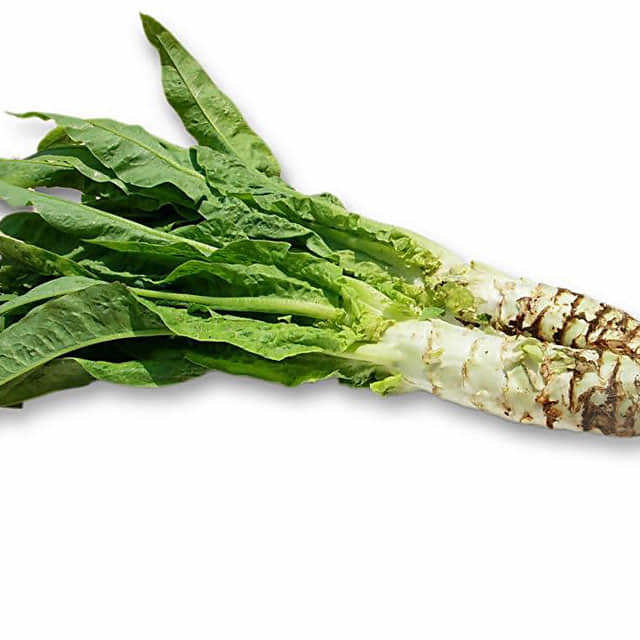
Lactuca sativa – Drooping Leaves

Why does your Lactuca sativa have drooping leaves? Diagnose the cause and fix it with our step-by-step guide.

pets Pet Friendly

search Possible Causes

error

Water Stress (Drought)

Lettuce has a high water content and shallow root system, making it highly susceptible to wilting when soil moisture drops. When the plant cannot maintain turgor pressure due to evaporation, leaves lose their rigidity.

Very Common
lightbulb
How to confirm: Check the soil moisture 1-2 inches below the surface; if it is bone dry, the plant needs immediate irrigation.
build How to fix it
shopping_cart Recommended Products
1 Immediately check the soil moisture level at the root zone to confirm the extent of the drought.
2 Apply water thoroughly to the base of the plant until the soil is saturated, ensuring the shallow root system is fully hydrated.
3 Mulch the soil surface with organic matter to reduce evaporation and maintain consistent moisture levels.
error

Heat Stress

Lactuca sativa is a cool-season crop. High ambient temperatures cause the plant to transpire moisture faster than the roots can absorb it, leading to temporary wilting during the hottest parts of the day.

Very Common
lightbulb
How to confirm: Observe if the leaves recover and perk up during the cooler evening or early morning hours.
build How to fix it
shopping_cart Recommended Products
1 Move the lettuce to a cooler, shaded area or provide temporary shade during peak sunlight hours to reduce transpiration rates.
2 Monitor soil moisture levels closely to ensure the plant remains hydrated without becoming waterlogged.
3 Apply a mulch layer around the base of the plant to help regulate soil temperature and retain moisture.
warning

Root Rot (Pythium or Phytophthora)

Overwatering or poor drainage leads to anaerobic conditions, causing fungal pathogens to decay the roots. This damage prevents the lettuce from transporting water upward, resulting in permanent drooping.

Common
lightbulb
How to confirm: Gently lift a plant to inspect the roots; healthy lettuce roots should be white and firm, not brown or slimy.
build How to fix it
shopping_cart Recommended Products
1 Immediately inspect the root system for mushy, brown, or foul-smelling roots and prune away any decayed tissue using sterilized tools.
2 Repot the lettuce in a fresh, well-draining medium and ensure the container has adequate drainage to prevent future anaerobic conditions.
3 Monitor soil moisture levels closely with a meter to ensure you only water when the top layer of soil is dry, preventing further overwatering.
warning

Nutrient Deficiency (Nitrogen)

A lack of nitrogen can lead to a loss of vigor and structural integrity in the leaves. While chlorosis (yellowing) is more common, severe deficiency can cause the foliage to appear limp and stunted.

Common
lightbulb
How to confirm: Look for simultaneous yellowing of older, lower leaves alongside the drooping symptom.
build How to fix it
shopping_cart Recommended Products
1 Apply a nitrogen-rich organic fertilizer to boost foliage vigor and restore structural integrity to the leaves.
2 Check the soil moisture levels using a moisture meter to ensure the drooping isn't actually caused by underwatering.
3 Ensure the lettuce is growing in a well-draining medium to prevent nitrogen leaching and root issues.

Other Lactuca sativa problems

Your plant might also be experiencing one of these issues:

local_hospital All symptoms eco All plants with drooping leaves
favorite