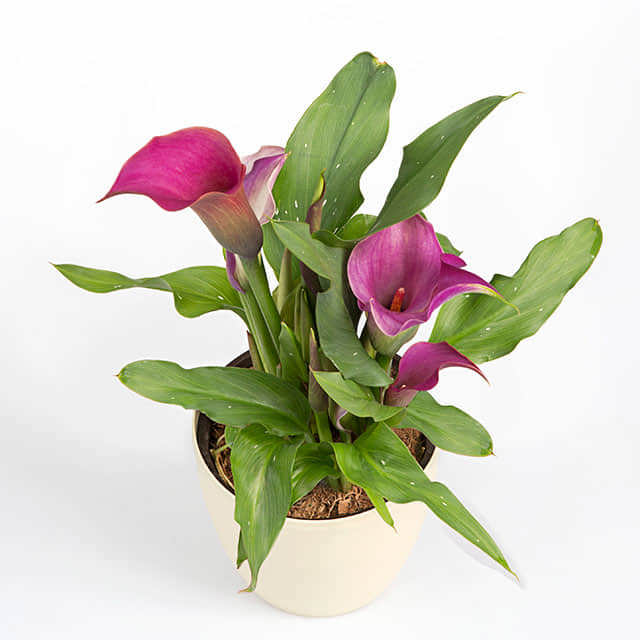
Red Zantedeschia aethiopica Sudden Leaf Drop
eco Sudden Leaf Drop

Red Zantedeschia aethiopica – Sudden Leaf Drop

Why does your Red Zantedeschia aethiopica have sudden leaf drop? Diagnose the cause and fix it with our step-by-step guide.

search Possible Causes

error

Overwatering and Root Rot

Calla Lilies are sensitive to waterlogged soil; excessive moisture promotes Phytophthora or Pythium fungi, which destroy the rhizome and root system. As roots decay, the plant can no longer support foliage, leading to rapid leaf senescence and drop.

Very Common
lightbulb
How to confirm: Gently lift the rhizome from the pot to check if it is soft, slimy, or emits a foul odor.
build How to fix it
shopping_cart Recommended Products
1 Immediately remove the plant from its current container and inspect the roots for mushy, dark, or foul-smelling decay.
2 Prune away all decayed roots using sterilized shears and repot the rhizome in a well-draining, fresh medium like Espoma Organic Potting Soil Mix to prevent further rot.
3 Ensure the new pot has excellent drainage and use a moisture meter to monitor the soil, allowing the top inch to dry out before watering again.
error

Temperature Shock or Cold Stress

Red Zantedeschia aethiopica is a tropical-origin plant that thrives in warmth. A sudden drop in ambient temperature or exposure to frost can cause the plant to enter a survival mode, triggering rapid leaf abscission.

Very Common
lightbulb
How to confirm: Check if there has been a recent cold snap or if the plant is positioned near a drafty window or air conditioning vent.
build How to fix it
shopping_cart Recommended Products
1 Immediately move the plant to a warmer, draft-free environment with stable temperatures between 65°F and 75°F to prevent further stress.
2 Check the soil moisture levels to ensure the plant is not sitting in cold, waterlogged soil, which can exacerbate temperature stress.
3 Avoid fertilizing the plant until new growth appears and it has fully recovered from the temperature shock.
warning

Fungal Leaf Spot (Botrytis)

High humidity combined with poor air circulation can lead to Botrytis cinerea, which causes lesions on leaves that eventually weaken the petiole. As the infection spreads, the plant may shed affected leaves to prevent further spread.

Common
lightbulb
How to confirm: Inspect the remaining leaves for small, dark, water-soaked spots or fuzzy gray mold patches.
build How to fix it
shopping_cart Recommended Products
1 Remove and discard all infected leaves immediately to prevent the fungal spores from spreading to healthy foliage.
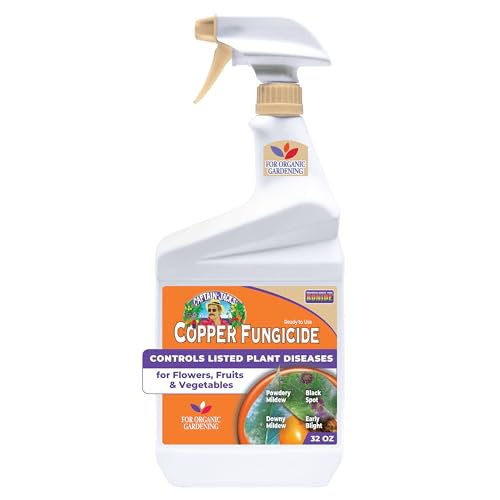
2 Apply an organic fungicide to treat the remaining healthy tissue and protect against further infection.
3 Improve air circulation around the plant and reduce humidity by spacing plants further apart or using a small fan.
warning

Nutrient Deficiency (Nitrogen)

A severe lack of nitrogen prevents the plant from maintaining chlorophyll levels and structural integrity in large leaves. This deficiency often manifests as yellowing followed by the shedding of older, lower leaves.

Common
lightbulb
How to confirm: Observe if the yellowing started on the oldest leaves and check if you have recently skipped a fertilization cycle during the growing season.
build How to fix it
shopping_cart Recommended Products
1 Apply a nitrogen-rich liquid fertilizer to boost chlorophyll production and restore leaf structural integrity.
2 Monitor soil moisture levels using a moisture meter to ensure the plant is not experiencing water stress alongside the deficiency.
3 Ensure the plant is in a location with adequate light to support the energy required for new leaf development.

Other Red Zantedeschia aethiopica problems

Your plant might also be experiencing one of these issues:

local_hospital All symptoms eco All plants with sudden leaf drop
favorite