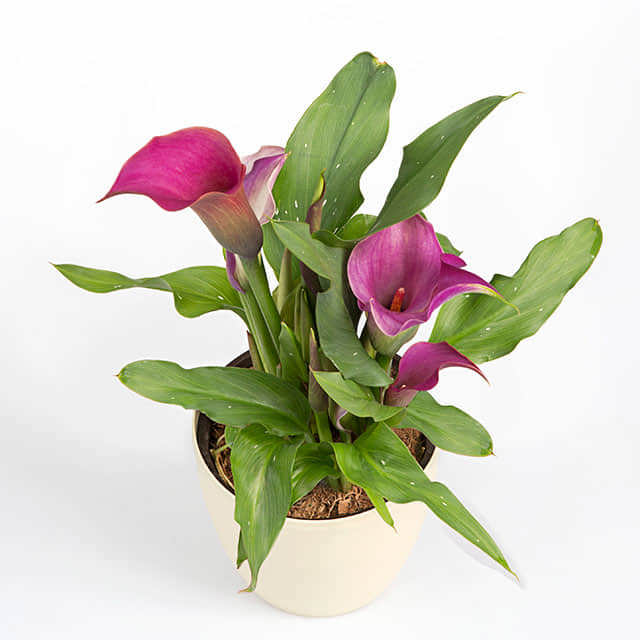
Red Zantedeschia aethiopica Yellow Leaves
eco Yellow Leaves

Red Zantedeschia aethiopica – Yellow Leaves

Why does your Red Zantedeschia aethiopica have yellow leaves? Diagnose the cause and fix it with our step-by-step guide.

search Possible Causes

error

Overwatering and Root Rot

Calla Lilies are prone to fungal pathogens like Phytophthora if the rhizome sits in waterlogged soil. Excessive moisture suffocates the roots, leading to chlorosis (yellowing) of the foliage as nutrient transport is disrupted.

Very Common
lightbulb
How to confirm: Gently lift the plant to check if the rhizome is mushy or if the potting medium remains saturated for several days after watering.
build How to fix it
shopping_cart Recommended Products
1 Immediately remove the plant from the waterlogged soil and inspect the rhizome for mushy, dark, or foul-smelling rot.
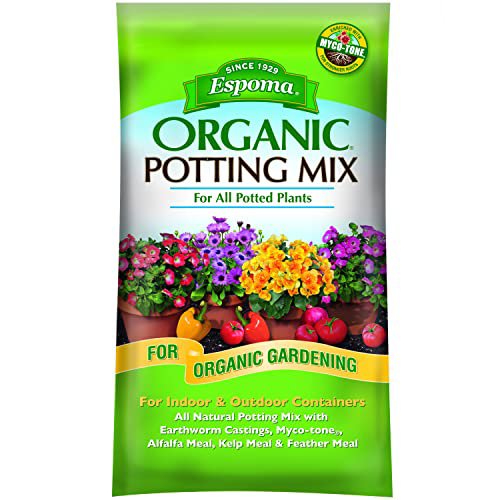
2 Prune away any completely dead or mushy roots and repot the plant in a well-draining, fresh medium like Espoma Organic Potting Soil Mix to ensure proper aeration.
3 Use a moisture meter to monitor the soil regularly, ensuring you only water when the top inch of soil is dry to prevent future waterlogging.
error

Nutrient Deficiency (Nitrogen/Magnesium)

Red Zantedeschia requires consistent fertilization during its growing season. A lack of nitrogen or magnesium prevents the production of chlorophyll, causing older leaves to turn pale yellow before new growth appears.

Very Common
lightbulb
How to confirm: Observe if the yellowing starts on older, bottom leaves while newer leaves remain green.
build How to fix it
shopping_cart Recommended Products
1 Apply a nitrogen-rich liquid fertilizer to boost chlorophyll production and green up the foliage.
2 Supplement with a magnesium-rich fertilizer to strengthen cell walls and prevent further yellowing.
3 Monitor soil moisture levels with a meter to ensure the plant is not experiencing water stress, which can mimic nutrient deficiency symptoms.
warning

Temperature Stress (Cold Shock)

Calla Lilies are tropical perennials that are sensitive to temperatures below 50°F (10°C). Sudden drops in temperature can cause the plant's metabolism to slow down, resulting in yellowing and drooping leaves.

Common
lightbulb
How to confirm: Check if the yellowing coincided with a recent cold snap or if the plant is placed near a drafty window.
build How to fix it
shopping_cart Recommended Products
1 Move your Calla Lily to a warmer, draft-free location within your home, ensuring temperatures remain consistently above 50°F (10°C).
2 Monitor the soil moisture closely, as cold temperatures can slow evaporation; use a moisture meter to prevent overwatering while the plant is recovering.
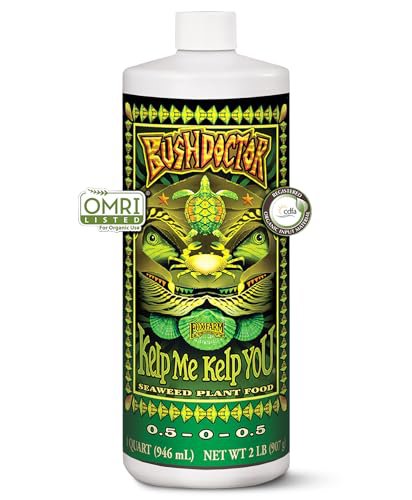
3 Apply a liquid seaweed fertilizer to help the plant recover from environmental stress and boost nutrient uptake.
warning

Light Stress (Insufficient Light)

While they can tolerate partial shade, inadequate light prevents the plant from performing photosynthesis efficiently. This energy deficit often manifests as thinning, pale yellow foliage.

Common
lightbulb
How to confirm: Evaluate if the plant is located in a dark corner of the room or has become shaded by larger houseplants.
build How to fix it
shopping_cart Recommended Products
1 Relocate your Calla Lily to a spot with brighter, indirect sunlight to boost photosynthesis and restore leaf color.
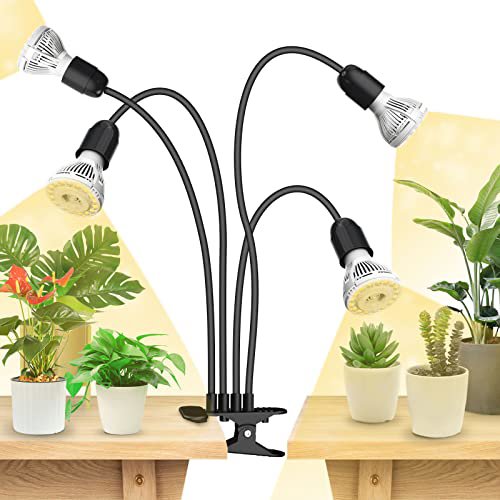
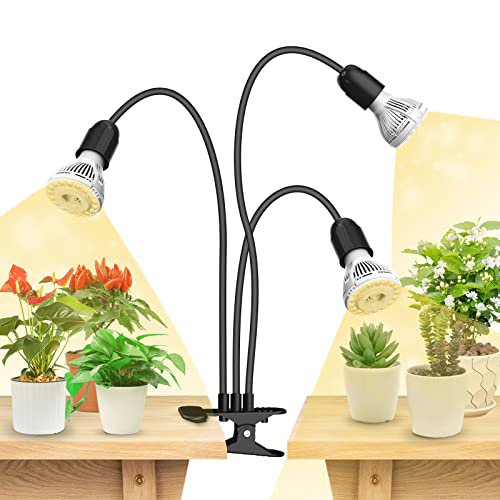
2 If natural light is insufficient, supplement with a full-spectrum LED grow light to provide the necessary energy for healthy foliage.
3 Monitor the soil moisture levels closely, as insufficient light can slow down evaporation and lead to overwatering.

Other Red Zantedeschia aethiopica problems

Your plant might also be experiencing one of these issues:

local_hospital All symptoms eco All plants with yellow leaves
favorite