Rhododendron canadense Brown Leaf Tips
eco Brown Leaf Tips

Rhododendron canadense – Brown Leaf Tips

Why does your Rhododendron canadense have brown leaf tips? Diagnose the cause and fix it with our step-by-step guide.

search Possible Causes

error

Salt Accumulation (Fertilizer Burn)

Rhodora is highly sensitive to salt buildup in the substrate. Excessive use of synthetic fertilizers or high mineral content in tap water can cause osmotic stress, leading to desiccation at the leaf margins.

Very Common
lightbulb
How to confirm: Check if you have recently applied high-nitrogen fertilizer or if your irrigation water has high salinity levels.
build How to fix it
shopping_cart Recommended Products
1 Flush the soil thoroughly with large amounts of distilled or rainwater to leach out accumulated mineral salts from the substrate.
2 Repot the plant in fresh, acid-loving potting soil to provide a clean environment free of salt buildup.
3 Switch to a low-salt, organic fertilization routine and use a soil moisture meter to ensure you are not overwatering, which can exacerbate salt movement.
error

Drought Stress

As an acidophilic wetland-adjacent species, Rhodora requires consistent moisture. If the substrate dries out completely, the plant cannot transport enough water to the distal leaf edges, causing necrosis.

Very Common
lightbulb
How to confirm: Feel the soil depth around the root ball to see if it has become bone-dry and compacted.
build How to fix it
shopping_cart Recommended Products
1 Check the soil moisture level immediately using a moisture meter to determine the depth of the drought stress.
2 Apply a consistent watering schedule to ensure the substrate remains moist but not waterlogged, as this species thrives in damp conditions.
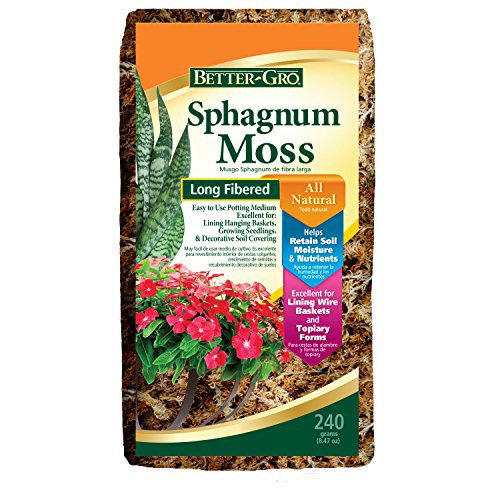
3 Mulch the base of the plant with organic matter like sphagnum moss to help retain moisture and regulate soil temperature.
warning

Root Rot (Phytophthora)

While Rhodora loves moisture, poorly drained heavy soils lead to anaerobic conditions. This causes root decay, which paradoxically prevents water uptake, manifesting as brown, dying leaf tips.

Common
lightbulb
How to confirm: Check if the soil is staying saturated for long periods and inspect roots for a dark, slimy texture.
build How to fix it
shopping_cart Recommended Products
1 Immediately inspect the root system for mushy, dark, or foul-smelling roots and prune away any decayed sections using sterilized tools.
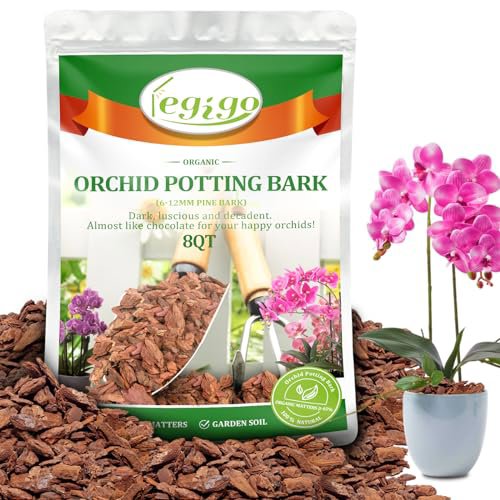
2 Repot the plant into a highly aerated, well-draining medium to prevent anaerobic conditions; a mix of organic orchid bark and perlite is ideal.
3 Ensure the new container has excellent drainage and use a moisture meter to prevent the soil from remaining waterlogged.
warning

Wind Scorch

Exposure to dry, hot winds can increase the transpiration rate beyond the plant's ability to replace water via its shallow root system, physically drying out the leaf extremities.

Common
lightbulb
How to confirm: Observe if the browning is more pronounced on the side of the plant facing prevailing winds.
build How to fix it
shopping_cart Recommended Products
1 Relocate the plant to a sheltered area or use a windbreak to protect the foliage from direct exposure to dry, hot gusts.
2 Increase local humidity around the foliage by using a fine mist spray to reduce the transpiration rate.
3 Monitor soil moisture levels closely to ensure the shallow root system remains adequately hydrated during windy periods.

Other Rhododendron canadense problems

Your plant might also be experiencing one of these issues:

local_hospital All symptoms eco All plants with brown leaf tips
favorite