Why does your Rhododendron canadense have yellow leaves? Diagnose the cause and fix it with our step-by-step guide.
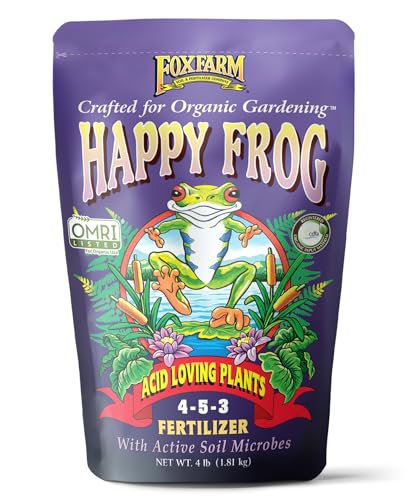
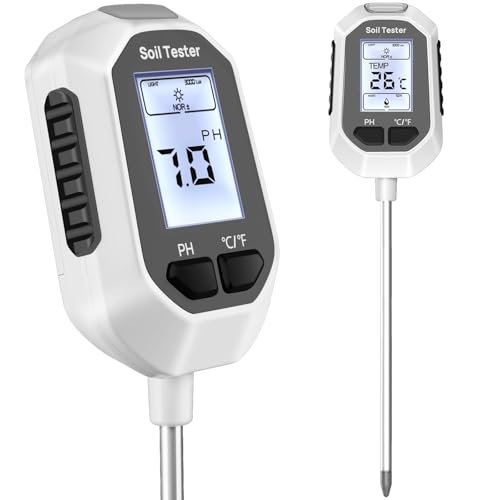
Rhododora prefers acidic soils; if the soil pH rises above 5.5, iron becomes chemically unavailable to the plant, causing interveinal chlorosis in young leaves.
Excessive moisture or poor drainage in heavy soils leads to fungal pathogens attacking the roots, disrupting water and nutrient transport to the foliage.
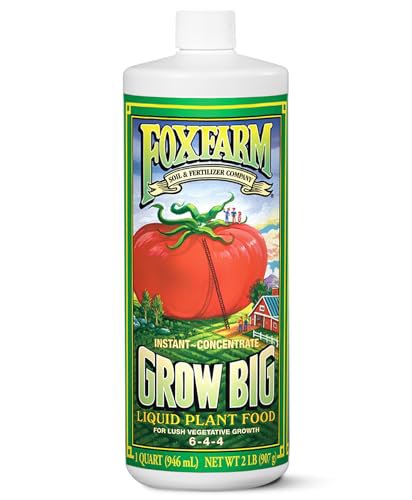
A lack of available nitrogen prevents the production of chlorophyll, typically resulting in a uniform yellowing that begins on older, lower leaves first.
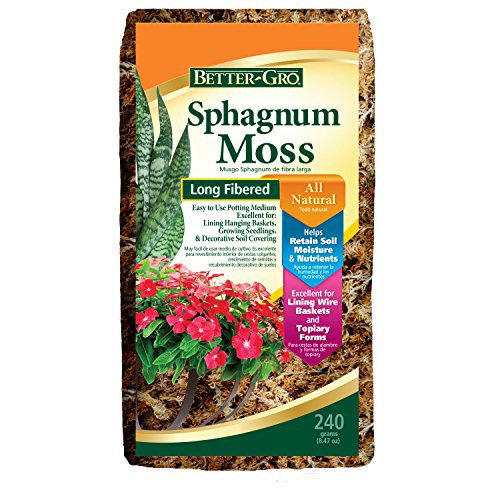
As a native woodland species, Rhodora requires consistent moisture; extreme dry spells can cause leaves to lose chlorophyll and eventually wilt or scorch.
Your plant might also be experiencing one of these issues:

 English
 Italiano