Rhododendron canadense Drooping Leaves
eco Drooping Leaves

Rhododendron canadense – Drooping Leaves

Why does your Rhododendron canadense have drooping leaves? Diagnose the cause and fix it with our step-by-step guide.

search Possible Causes

error

Drought Stress

As an acid-loving wetland-adjacent species, Rhodora has shallow root systems that are highly sensitive to moisture fluctuations. When soil moisture drops below the threshold for transpiration, the leaves lose turgor pressure and droop.

Very Common
lightbulb
How to confirm: Check the top two inches of soil; if it is dry to the touch, the plant requires immediate deep watering.
build How to fix it
shopping_cart Recommended Products
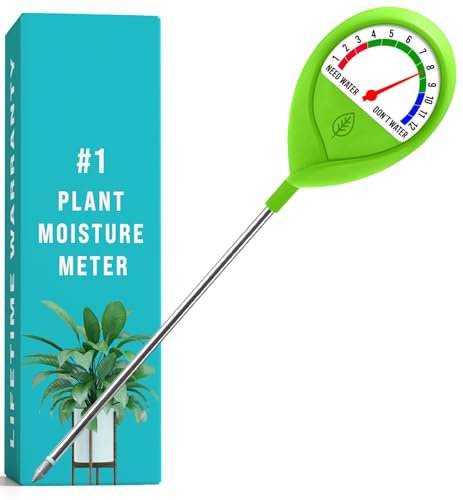
1 Immediately check the soil moisture level using a probe to confirm the depth of dehydration.
2 Apply a deep, slow watering to the base of the plant to ensure moisture reaches the shallow root system.
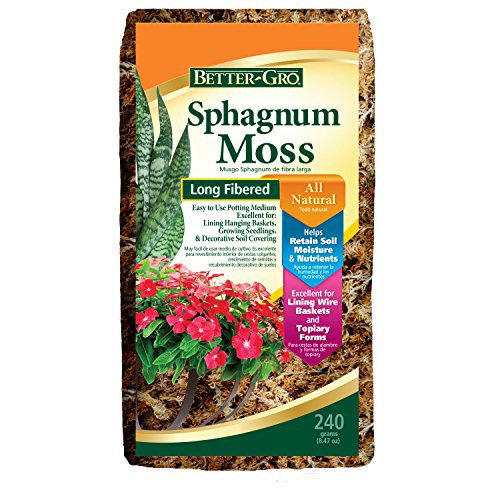
3 Apply a layer of organic mulch or sphagnum moss around the base to help retain soil moisture and prevent future drought stress.
error

Root Rot (Phytophthora)

While Rhodora thrives in moist environments, waterlogged or compacted soils prevent oxygen from reaching the roots. This leads to fungal pathogens that destroy root tissue, preventing the plant from transporting water upward.

Very Common
lightbulb
How to confirm: Carefully inspect the base of the stems for dark, mushy roots and check if the soil stays saturated for long periods after rain.
build How to fix it
shopping_cart Recommended Products
1 Immediately reduce watering frequency and ensure the plant is in a well-draining container or soil to allow oxygen to reach the roots.
2 Repot the plant into a fresh, highly aerated medium using an acid-loving mix amended with perlite to prevent future waterlogging.
3 Apply a fungicide treatment to combat the Phytophthora pathogen and protect remaining healthy root tissue.
warning

Heat Stress/Transpiration Imbalance

High ambient temperatures or intense direct sunlight can cause the leaves to lose water faster than the roots can replenish it. This is common if the plant's microclimate has become significantly warmer or drier than its native acidic bog habitat.

Common
lightbulb
How to confirm: Observe if the drooping occurs primarily during midday heat and recovers in the cooler evening temperatures.
build How to fix it
shopping_cart Recommended Products
1 Move the plant to a cooler, shaded location to reduce transpiration rates and protect it from intense direct sunlight.
2 Apply a consistent watering schedule to ensure the soil remains moist but not waterlogged, mimicking its native bog habitat.
3 Mulch the base of the plant with organic matter like sphagnum moss to help retain soil moisture and regulate root temperature.
warning

Nutrient Deficiency (Iron Chlorosis)

Rhodora requires acidic soil to uptake micronutrients like iron. If the soil pH rises too high, the plant cannot absorb iron, leading to weakened structural integrity and leaf yellowing alongside drooping.

Common
lightbulb
How to confirm: Look for yellowing leaves with prominent green veins (interveinal chlorosis) in addition to the drooping.
build How to fix it
shopping_cart Recommended Products
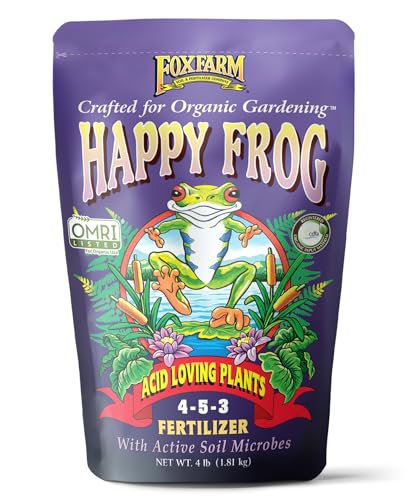
1 Lower the soil pH by applying an acid-loving fertilizer to ensure iron availability.
2 Check the soil moisture levels with a meter to ensure the drooping isn't caused by drought stress.
3 Amend the existing soil with organic matter like sphagnum moss to help maintain acidity and moisture.

Other Rhododendron canadense problems

Your plant might also be experiencing one of these issues:

local_hospital All symptoms eco All plants with drooping leaves
favorite