Rhododendron canadense Sudden Leaf Drop
eco Sudden Leaf Drop

Rhododendron canadense – Sudden Leaf Drop

Why does your Rhododendron canadense have sudden leaf drop? Diagnose the cause and fix it with our step-by-step guide.

search Possible Causes

error

Environmental Stress (Drought or Temperature Shock)

Rhodora is highly sensitive to rapid changes in moisture and temperature. Sudden leaf drop often occurs when the soil dries out too quickly or if there is a sudden heatwave, causing the plant to shed leaves to conserve water.

Very Common
lightbulb
How to confirm: Check the moisture level of the soil several inches below the surface to see if it has become bone dry.
build How to fix it
shopping_cart Recommended Products
1 Immediately check the soil moisture level to determine if the plant is suffering from drought stress.
2 Apply a consistent watering schedule to stabilize moisture levels and prevent further temperature-induced shock.
3 Mulch the base of the plant with organic matter to insulate the roots against temperature fluctuations and retain soil moisture.
error

Root Rot (Phytophthora)

As an acid-loving plant that requires well-draining organic matter, Rhodora is susceptible to waterlogged soils. Excess moisture causes root decay, which prevents the vascular system from supporting foliage, leading to rapid defoliation.

Very Common
lightbulb
How to confirm: Gently lift a small section of the soil near the root zone to check if the roots appear dark, slimy, or foul-smelling.
build How to fix it
shopping_cart Recommended Products
1 Immediately reduce watering frequency and ensure the plant is not sitting in stagnant water to stop further root decay.
2 Repot the plant in a highly aerated, well-draining medium specifically designed for acid-loving plants, incorporating amendments like perlite or pine bark to prevent future waterlogging.
3 Prune away any mushy, dark, or foul-smelling roots using sterilized tools to prevent the spread of Phytophthora.
warning

Improper Soil pH

Rhodora requires acidic conditions (pH 4.5–5.5) to uptake essential micronutrients like iron. If the soil becomes too alkaline, the plant enters a state of nutrient deficiency stress that can trigger leaf senescence and drop.

Common
lightbulb
How to confirm: Use a dedicated soil pH testing kit to verify if your substrate is maintaining an acidic range.
build How to fix it
shopping_cart Recommended Products
1 Test your soil pH immediately to confirm if levels have risen above the required 4.5–5.5 range.
2 Apply an acidifying soil amendment, such as FoxFarm Acid Loving Plant Fertilizer, to lower the pH and restore nutrient availability.
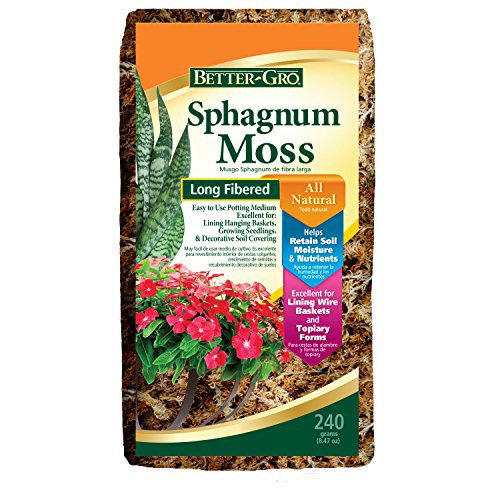
3 Mulch the base of the plant with organic matter like sphagnum moss to help maintain acidity and moisture levels.
warning

Fungal Leaf Spot (e.g., Exobasidium)

High humidity combined with poor air circulation can trigger fungal pathogens. While often marked by spots, a severe infection can overwhelm the plant's ability to maintain leaf attachment, causing premature drop.

Common
lightbulb
How to confirm: Inspect the remaining leaves closely for any small dark spots or fuzzy growth before they fall.
build How to fix it
shopping_cart Recommended Products
1 Apply an organic fungicide to the affected foliage to stop the spread of the fungal pathogen.
2 Improve air circulation around the plant and reduce humidity by pruning crowded branches and avoiding overhead watering.
3 Remove and dispose of all fallen leaves from the base of the plant to prevent the fungus from overwintering in the soil.

Other Rhododendron canadense problems

Your plant might also be experiencing one of these issues:

local_hospital All symptoms eco All plants with sudden leaf drop
favorite