Rhododendron canescens Brown Leaf Tips
eco Brown Leaf Tips

Rhododendron canescens – Brown Leaf Tips

Why does your Rhododendron canescens have brown leaf tips? Diagnose the cause and fix it with our step-by-step guide.

search Possible Causes

error

Drought Stress

Oakleaf azaleas have shallow root systems that are highly sensitive to moisture fluctuations. When the soil dries out too much, the plant cannot transport water to the furthest extremities of the leaves, causing the tips to desiccate and turn brown.

Very Common
lightbulb
How to confirm: Check the moisture level 2 inches below the soil surface; if it is bone dry, the plant needs more consistent watering.
build How to fix it
shopping_cart Recommended Products
1 Immediately increase watering frequency to ensure the shallow root system remains consistently moist but not waterlogged.
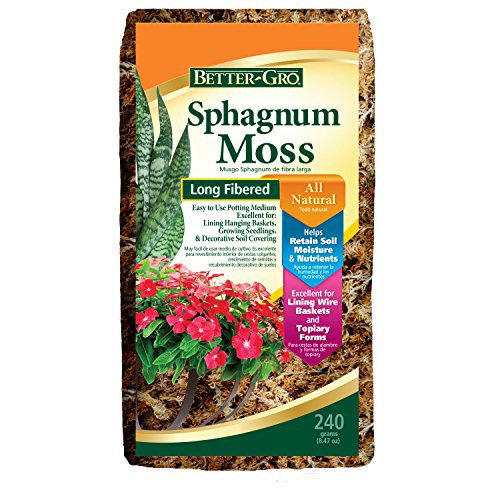
2 Apply a layer of organic mulch or sphagnum moss around the base of the plant to help retain soil moisture and regulate temperature.
3 Prune away the dead, brown leaf tips with clean shears to prevent further aesthetic damage and focus the plant's energy on new growth.
error

Salt Accumulation (Fertilizer Burn)

Excessive application of nitrogen-rich fertilizers or high salt content in irrigation water can lead to osmotic stress. This causes salts to accumulate at the leaf margins and tips, drawing moisture out of the cells.

Very Common
lightbulb
How to confirm: Look for a white, crusty residue on the soil surface or the edges of the pot/base of the plant.
build How to fix it
shopping_cart Recommended Products
1 Flush the soil thoroughly with large amounts of fresh, low-salt water to leach accumulated mineral salts away from the root zone.
2 Prune away the most severely burnt brown leaf tips using clean shears to prevent further aesthetic decline.
3 Transition to an acid-loving specific fertilizer to maintain the proper pH and prevent future salt buildup.
warning

Low Humidity / Dry Air

Rhododendron species prefer humid environments; sudden drops in ambient humidity can cause rapid transpiration from the leaf margins. This exceeds the root's ability to replace water, resulting in scorched-looking tips.

Common
lightbulb
How to confirm: Observe if the browning worsened during a period of hot, dry winds or low indoor humidity levels.
build How to fix it
shopping_cart Recommended Products
1 Increase ambient humidity around the plant by using a pebble tray or a humidifier to prevent further moisture loss from leaf margins.
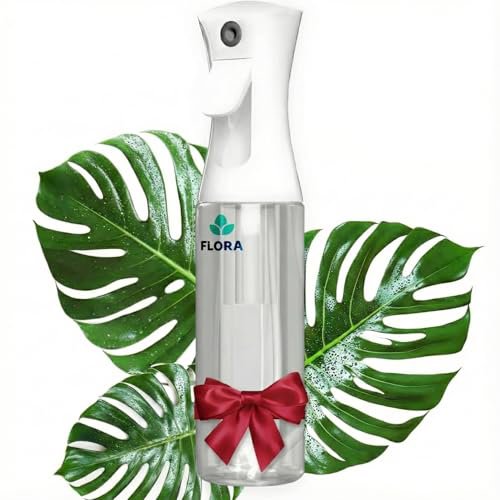
2 Mist the foliage regularly with a fine spray to provide immediate surface hydration.
3 Monitor soil moisture levels closely to ensure the roots are not drying out, which exacerbates the effects of low humidity.
warning

Root Damage from Compaction

Heavy soil compaction reduces oxygen availability to the fine feeder roots of the Oakleaf Azalea. Damaged roots cannot efficiently uptake water, leading to leaf tip necrosis even if the soil appears moist.

Common
lightbulb
How to confirm: Gently poke a probe into the soil near the root zone to check if the earth feels hard and impenetrable.
build How to fix it
shopping_cart Recommended Products
1 Gently aerate the soil around the root zone using a hand tool to alleviate compaction and increase oxygen availability to the roots.
2 Amend the existing soil with organic matter or perlite to improve structure and drainage, preventing future compaction.
3 Monitor soil moisture levels closely with a moisture meter to ensure you are not overwatering, which can exacerbate root damage in compacted soil.

Other Rhododendron canescens problems

Your plant might also be experiencing one of these issues:

local_hospital All symptoms eco All plants with brown leaf tips
favorite