Rhododendron canescens Drooping Leaves
eco Drooping Leaves

Rhododendron canescens – Drooping Leaves

Why does your Rhododendron canescens have drooping leaves? Diagnose the cause and fix it with our step-by-step guide.

search Possible Causes

error

Water Stress (Drought or Underwatering)

As an acid-loving plant with relatively shallow root systems, Oakleaf Azaleas are highly sensitive to dry soil. When moisture levels drop, the plant loses turgor pressure in the leaves, causing them to wilt or droop.

Very Common
lightbulb
How to confirm: Check the top inch of soil; if it is bone dry, the drooping is likely due to lack of water.
build How to fix it
shopping_cart Recommended Products
1 Immediately check the soil moisture level at the root zone to confirm the depth of dehydration.
2 Apply a deep, slow watering to the base of the plant to ensure the shallow root system is fully rehydrated.
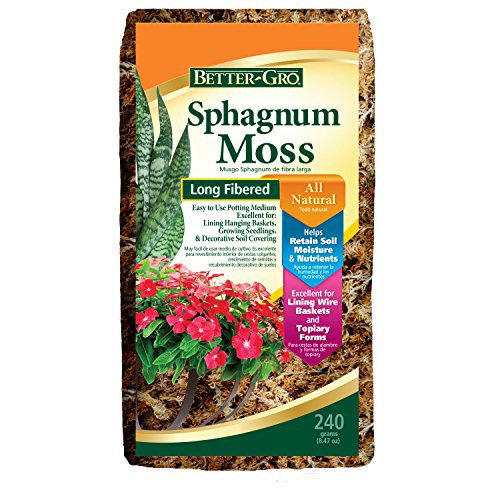
3 Apply a layer of organic mulch or sphagnum moss around the base to help retain soil moisture and prevent future drought stress.
error

Root Rot (Phytophthora)

Overwatering or poorly draining soil can lead to fungal pathogens like Phytophthora attacking the roots. This prevents the plant from absorbing water, resulting in symptoms that mimic drought-induced drooping.

Very Common
lightbulb
How to confirm: Examine the base of the stems and roots for any signs of dark, mushy, or decaying tissue.
build How to fix it
shopping_cart Recommended Products
1 Immediately reduce watering frequency and ensure the plant is in a well-draining environment to stop the spread of Phytophthora.
2 Repot the plant in a highly aerated, acidic medium specifically designed for acid-loving plants to promote root recovery.
3 Amend the soil with horticultural perlite to improve drainage and prevent future waterlogging.
warning

Heat Stress

High temperatures and intense afternoon sun can cause the leaves of Rhododendron canescens to wilt as a defense mechanism to reduce transpiration. This is common if the plant is not situated in a shaded or semi-shaded area.

Common
lightbulb
How to confirm: Observe if the drooping occurs primarily during the hottest part of the day and recovers overnight.
build How to fix it
shopping_cart Recommended Products
1 Move the plant to a cooler, shaded, or semi-shaded location to protect it from intense afternoon sun and reduce transpiration.
2 Apply a layer of organic mulch around the base of the plant to help regulate soil temperature and retain moisture.
3 Monitor soil moisture levels closely to ensure the plant remains hydrated without becoming waterlogged.
warning

Nutrient Deficiency (Iron Chlorosis)

If the soil pH is too high (alkaline), the Oakleaf Azalea cannot absorb iron, which can weaken the plant's overall vigor and lead to limp, chlorotic leaves.

Common
lightbulb
How to confirm: Look for yellowing between the leaf veins while the veins themselves remain green.
build How to fix it
shopping_cart Recommended Products
1 Test your soil pH to ensure it is in the acidic range (4.5 to 6.0) required for Rhododendrons to absorb iron.
2 Apply an acid-loving plant fertilizer to lower soil pH and provide necessary nutrients.
3 Mulch the base of the plant with organic matter like pine bark or sphagnum moss to help maintain acidity and moisture.

Other Rhododendron canescens problems

Your plant might also be experiencing one of these issues:

local_hospital All symptoms eco All plants with drooping leaves
favorite