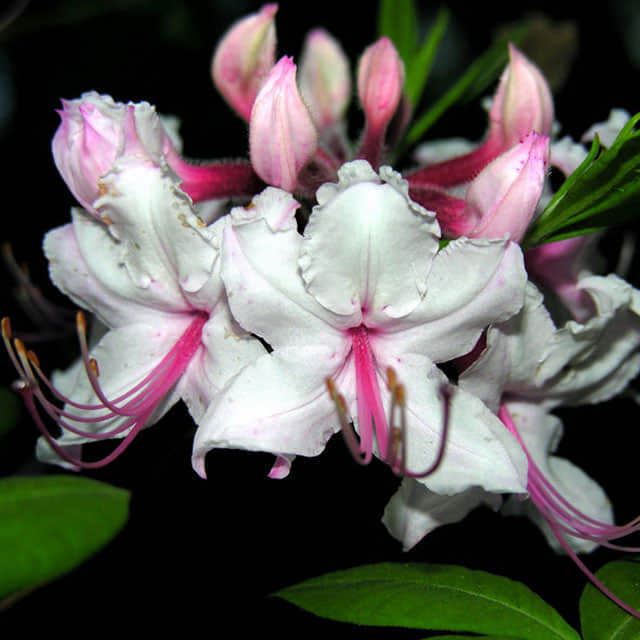
Why does your Rhododendron canescens have yellow leaves? Diagnose the cause and fix it with our step-by-step guide.
Oakleaf azaleas are acid-loving plants; if the soil pH rises above 6.0, iron becomes chemically unavailable to the plant, causing interveinal chlorosis (yellow leaves with green veins). This is the most frequent cause of yellowing in Rhododendron species.
Excessive moisture or poorly draining soil can lead to fungal pathogens like Phytophthora attacking the root system of the Oakleaf Azalea. As roots decay, they lose the ability to transport water and nutrients, leading to overall leaf yellowing and wilting.
A lack of nitrogen in the soil prevents the production of chlorophyll, resulting in a uniform yellowing of older leaves first. This often occurs in heavily leached soils where nutrients are washed away by frequent rainfall.
While Oakleaf Azaleas prefer moist soil, prolonged periods of dry soil can cause leaves to yellow and eventually brown at the edges. This is particularly common in container-grown specimens or during extreme summer heatwaves.
Your plant might also be experiencing one of these issues:

 English
 Italiano