Rhododendron edgeworthii Drooping Leaves
eco Drooping Leaves

Rhododendron edgeworthii – Drooping Leaves

Why does your Rhododendron edgeworthii have drooping leaves? Diagnose the cause and fix it with our step-by-step guide.

search Possible Causes

error

Root Rot (Phytophthora)

Excessive soil moisture or poor drainage causes fungal pathogens to attack the sensitive root system of Rhododendron edgeworthii. This prevents the plant from transporting water upward, resulting in characteristic wilting despite moist soil.

Very Common
lightbulb
How to confirm: Gently lift a small portion of the root ball to see if roots are dark, slimy, or emit an unpleasant odor.
build How to fix it
shopping_cart Recommended Products
1 Immediately repot the plant in a well-draining, airy medium to reduce moisture around the roots and stop the spread of Phytophthora.
2 Prune away any mushy, dark, or foul-smelling roots using sterilized shears to prevent further rot.
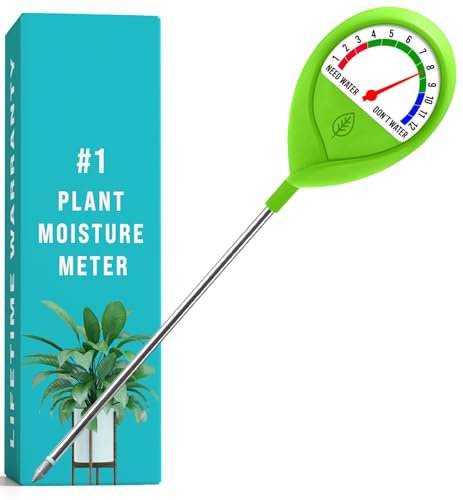
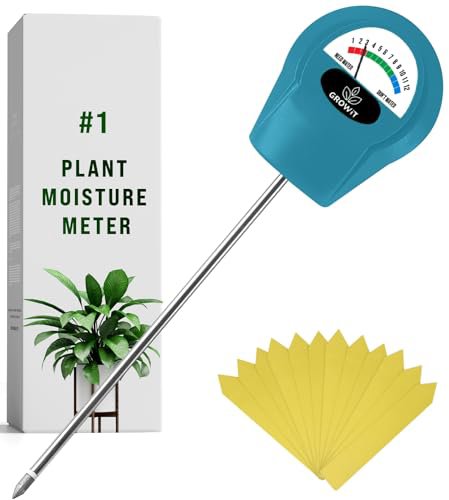
3 Monitor the soil moisture levels closely with a meter to ensure the substrate is not staying waterlogged.
error

Water Stress (Drought)

As an alpine-adjacent species, this Rhododendron requires consistent moisture; if the substrate dries out completely, the plant will lose turgor pressure and droop. Unlike some hardy shrubs, edgeworthii has relatively shallow root systems vulnerable to desiccation.

Very Common
lightbulb
How to confirm: Check the depth of the soil moisture using a finger test or moisture meter to see if the rhizosphere is bone dry.
build How to fix it
shopping_cart Recommended Products
1 Immediately check the soil moisture level at the root zone to confirm the extent of the drought stress.
2 Deeply water the plant to rehydrate the shallow root system, ensuring the water reaches the bottom of the pot or root ball.
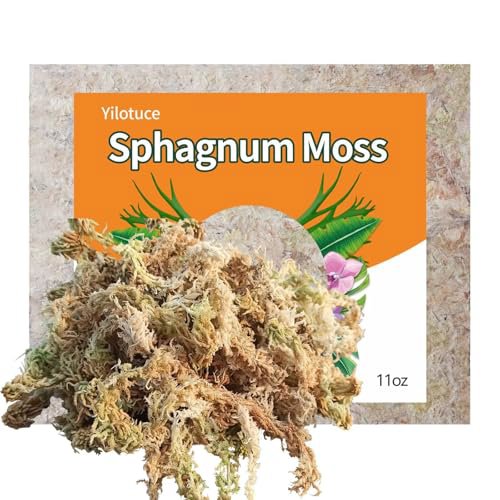
3 Apply a layer of organic mulch or sphagnum moss around the base to help retain moisture and prevent future desiccation.
warning

Foliar Water Loss (Transpiration Imbalance)

High temperatures combined with low humidity can cause the plant to lose water through its leaves faster than the roots can replace it. This is particularly common in indoor environments or during heatwaves where air circulation is stagnant.

Common
lightbulb
How to confirm: Observe if the drooping improves significantly during the cooler evening hours or early morning.
build How to fix it
shopping_cart Recommended Products
1 Increase local humidity around the plant by using a pebble tray or a fine misting spray bottle to slow down transpiration.
2 Monitor soil moisture levels closely to ensure the roots are providing enough water to compensate for leaf loss; use a moisture meter to prevent both dehydration and overwatering.
3 Move the plant to a cooler location with better air circulation and away from direct heat sources or dry air vents.
warning

Root Bound Condition

If the plant has outgrown its container, the mass of roots may prevent efficient water absorption throughout the entire pot. This leads to rapid cycles of wilting immediately after watering.

Common
lightbulb
How to confirm: Carefully remove the plant from its pot to check if roots are circling the perimeter in a tight, compressed mass.
build How to fix it
shopping_cart Recommended Products
1 Gently remove the plant from its current container to inspect the root mass; if roots are circling the pot, prune any excessively long or dead roots to encourage new growth.
2 Repot the Rhododendron into a larger container with fresh, well-draining soil to provide space for root expansion and better water retention.
3 Use a moisture meter to monitor the soil depth, ensuring you avoid the rapid drying and saturation cycles that cause drooping.

Other Rhododendron edgeworthii problems

Your plant might also be experiencing one of these issues:

local_hospital All symptoms eco All plants with drooping leaves
favorite