Rhododendron indicum Brown Leaf Tips
eco Brown Leaf Tips

Rhododendron indicum – Brown Leaf Tips

Why does your Rhododendron indicum have brown leaf tips? Diagnose the cause and fix it with our step-by-step guide.

search Possible Causes

error

Salt Accumulation and Fertilizer Burn

Azaleas are highly sensitive to salts in tap water or excess fertilizer. High salt concentrations draw moisture out of the leaf edges, causing them to desiccate and turn brown.

Very Common
lightbulb
How to confirm: Check if you use well water or hard tap water, and observe if the browning coincides with recent fertilization.
build How to fix it
shopping_cart Recommended Products
1 Flush the soil thoroughly with large amounts of distilled or rainwater to leach out accumulated mineral salts and excess fertilizers.
2 Repot the plant in fresh, acidic potting medium to provide a clean environment free of salt buildup.
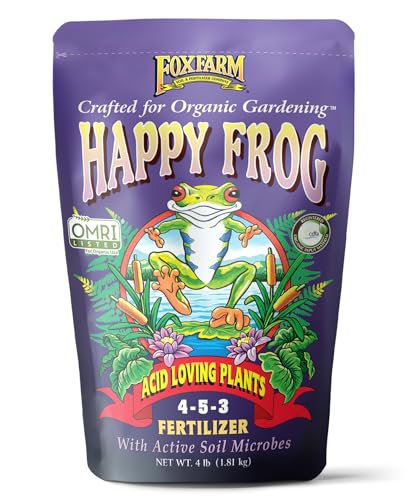
3 Switch to using a specialized acid-loving fertilizer and monitor soil moisture levels to prevent future salt buildup.
error

Inconsistent Soil Moisture (Drought Stress)

Rhododendrons require consistently moist, acidic soil. If the growing medium dries out completely between waterings, the plant cannot transport enough water to the furthest extremities of the leaves.

Very Common
lightbulb
How to confirm: Stick your finger two inches into the soil to see if it has become bone-dry recently.
build How to fix it
shopping_cart Recommended Products
1 Monitor soil moisture levels closely using an analog meter to ensure the medium stays consistently moist without becoming waterlogged.
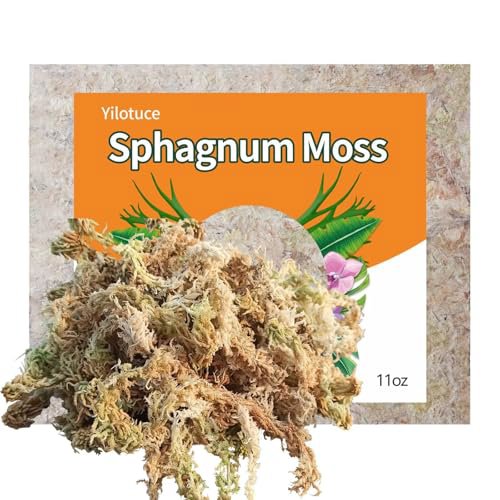
2 Apply a consistent watering schedule and consider using a moisture-retaining amendment like sphagnum moss to help stabilize humidity around the roots.
3 Ensure the plant is in an acidic-loving fertilizer regimen to support recovery and strengthen cell walls.
warning

Root Rot (Phytophthora)

While drought causes dry tips, overwatering leads to fungal pathogens like Phytophthora that damage the root system. This prevents the plant from replacing water lost through transpiration, resulting in necrotic leaf edges.

Common
lightbulb
How to confirm: Gently lift the edge of the pot or check the soil depth for a sour smell or slimy, blackened roots.
build How to fix it
shopping_cart Recommended Products
1 Immediately reduce watering frequency and ensure the plant is in a well-draining medium to stop the spread of Phytophthora.
2 Repot the plant in a fresh, highly aerated substrate to encourage new root growth and remove any mushy, decayed roots.
3 Apply a fungicide treatment to protect the remaining healthy tissue from further fungal infection.
warning

Low Humidity/Transpiration Imbalance

In very dry indoor environments or during hot summer winds, the rate of water loss from the leaf edges exceeds the root's ability to supply it, leading to marginal necrosis.

Common
lightbulb
How to confirm: Monitor if the browning worsens specifically during periods of low humidity or high heat.
build How to fix it
shopping_cart Recommended Products
1 Increase local humidity around the plant by using a pebble tray or a humidifier to prevent moisture loss from leaf edges.
2 Mist the foliage regularly with a fine spray to provide immediate surface hydration.
3 Monitor soil moisture levels closely to ensure the roots can consistently supply water to the leaves, avoiding dry spells.

Other Rhododendron indicum problems

Your plant might also be experiencing one of these issues:

local_hospital All symptoms eco All plants with brown leaf tips
favorite