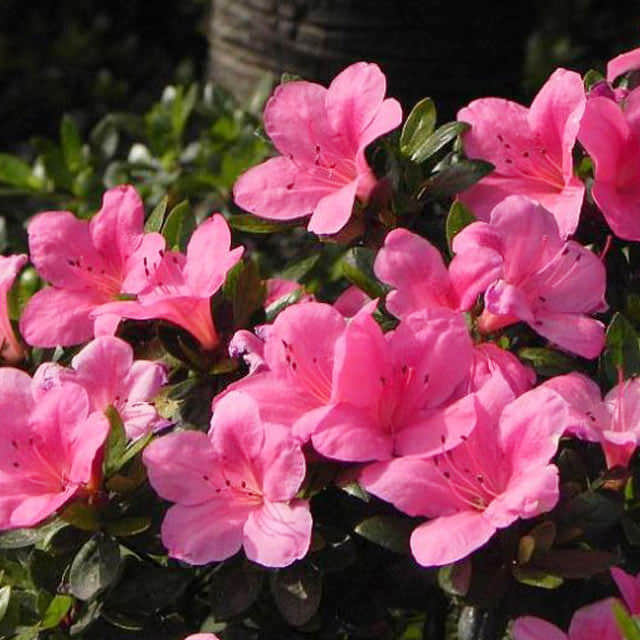
Rhododendron indicum Yellow Leaves
eco Yellow Leaves

Rhododendron indicum – Yellow Leaves

Why does your Rhododendron indicum have yellow leaves? Diagnose the cause and fix it with our step-by-step guide.

search Possible Causes

error

Iron Chlorosis

Azaleas are acid-loving plants; if the soil pH rises above 5.5, iron becomes chemically locked in the soil, preventing uptake. This results in bright yellow leaves while the veins remain dark green.

Very Common
lightbulb
How to confirm: Check if the yellowing is specifically between the leaf veins (interveinal) and test your soil pH.
build How to fix it
shopping_cart Recommended Products
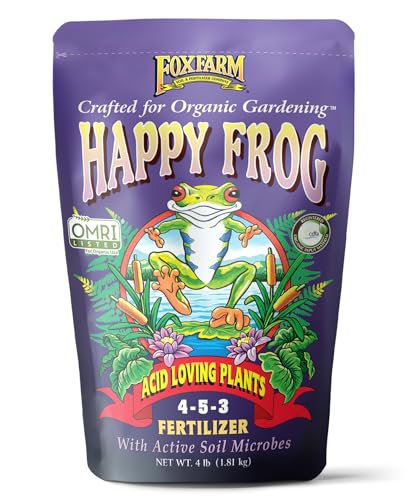
1 Apply a specialized acid-loving fertilizer to lower the soil pH and provide accessible nutrients.
2 Check the soil pH regularly using a meter to ensure it remains in the ideal range of 4.5 to 5.5.
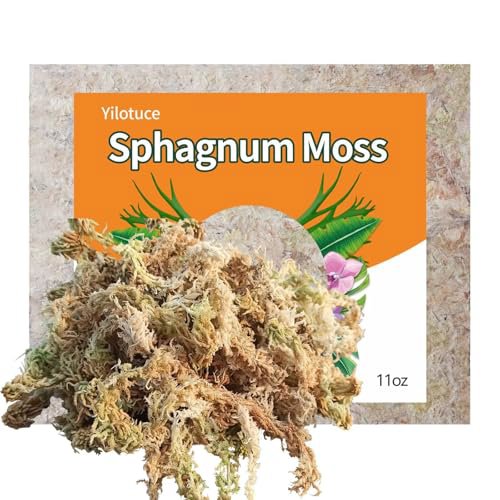
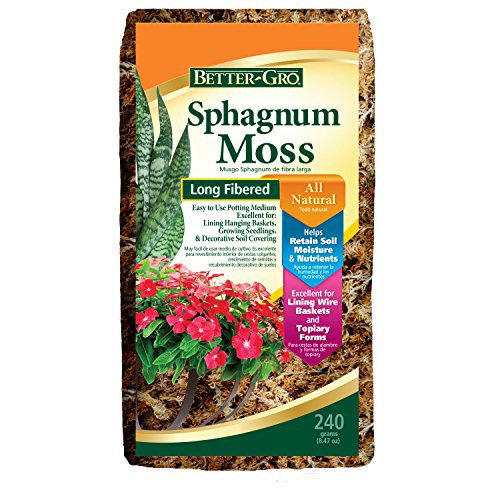
3 Amend the soil with organic matter like sphagnum moss to help maintain acidity and moisture.
error

Improper Watering (Root Suffocation)

Rhododendron indicum has shallow, fibrous roots that are highly susceptible to compaction and lack of oxygen. Overwatering or poor drainage leads to root decay, which manifests as general leaf yellowing.

Very Common
lightbulb
How to confirm: Insert your finger 2 inches into the soil to see if it remains saturated even days after the last watering.
build How to fix it
shopping_cart Recommended Products
1 Check the soil moisture level immediately using a moisture meter to confirm if the roots are sitting in saturated soil.
2 Improve drainage by repotting the plant in a well-aerated medium, such as a mix containing perlite or orchid bark, to prevent further root suffocation.
3 Ensure the plant is in a container with adequate drainage holes and use a saucer to catch excess water, but avoid letting the pot sit in standing water.
warning

Nitrogen Deficiency

A lack of nitrogen prevents the production of chlorophyll, leading to a uniform pale yellow color across older leaves. This is common in heavily leached soils where frequent rain has washed away nutrients.

Common
lightbulb
How to confirm: Observe if the yellowing starts on the oldest, bottom leaves first and moves upward.
build How to fix it
shopping_cart Recommended Products
1 Apply a nitrogen-rich organic fertilizer to replenish the soil nutrients and restore chlorophyll production.
2 Check the soil pH to ensure it remains acidic, as Rhododendrons require a low pH to effectively absorb nitrogen.
3 Mulch the base of the plant with organic matter to help retain nutrients and prevent leaching from heavy rain.
warning

Root Rot (Phytophthora)

Fungal pathogens like Phytophthora thrive in overly wet, acidic soils and attack the root system of Japanese Azaleas. This destroys the plant's ability to transport water, causing leaves to turn yellow and eventually wilt.

Common
lightbulb
How to confirm: Gently lift the edge of the root ball to check if the roots are black, slimy, or broken.
build How to fix it
shopping_cart Recommended Products
1 Immediately reduce watering frequency and ensure the plant is in a well-draining environment to stop the spread of fungal pathogens.
2 Repot the plant in a highly aerated, acidic medium and consider adding perlite to improve drainage and prevent future waterlogging.
3 Apply a fungicide treatment to protect the remaining healthy tissue from further fungal attack.

Other Rhododendron indicum problems

Your plant might also be experiencing one of these issues:

local_hospital All symptoms eco All plants with yellow leaves
favorite