Sedum rubrotinctum Leggy Stems
eco Leggy Stems

Sedum rubrotinctum – Leggy Stems

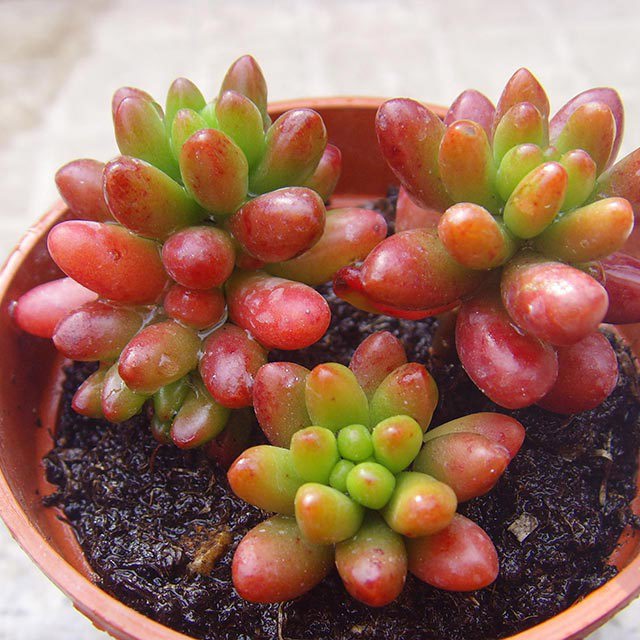
Why does your Sedum rubrotinctum have leggy stems? Diagnose the cause and fix it with our step-by-step guide.

pets Pet Friendly

search Possible Causes

error

Insufficient Light Exposure

As a succulent, Sedum rubrotum requires high light intensity to maintain compact growth. When light levels are too low, the plant undergoes etiolation, stretching its internodes to search for a light source.

Very Common
lightbulb
How to confirm: Observe if the stems are noticeably thinner and paler than the base of the plant or if they are leaning towards a window.
build How to fix it
shopping_cart Recommended Products
1 Move your plant to a location with much higher light intensity, such as a south-facing window, to stop further stretching.
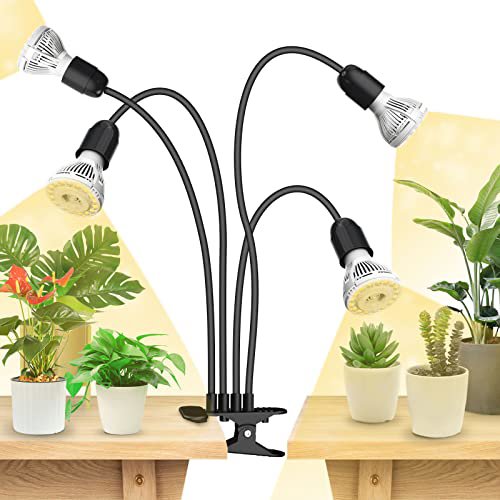
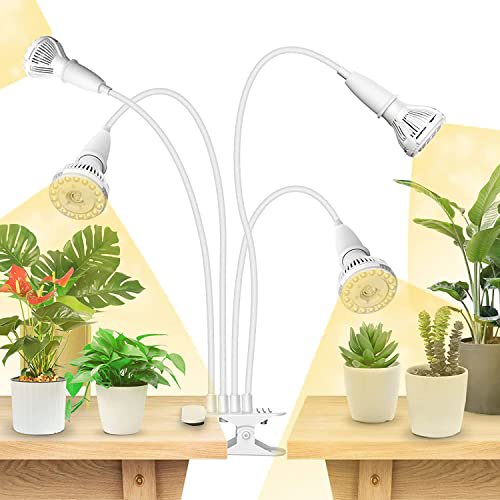
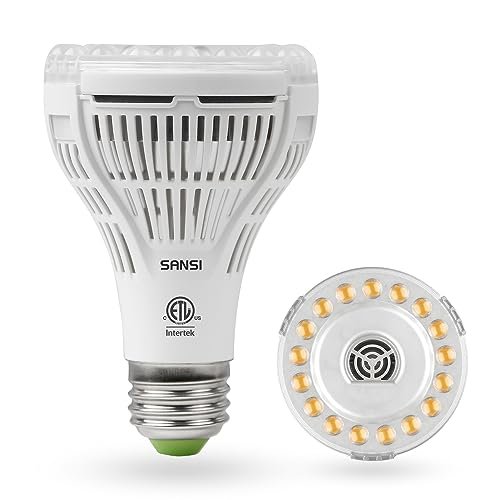
2 Supplement with a full-spectrum LED grow light to ensure the plant receives enough energy for compact growth.
3 Prune the elongated, leggy stems to encourage new, denser growth from the base of the plant.
warning

Overwatering

Excessive moisture in the substrate can cause cell wall weakening in succulent tissues. This leads to loss of turgor pressure and structural integrity, making the stems appear weak and elongated.

Common
lightbulb
How to confirm: Check if the soil remains damp for more than a week or if the bottom leaves feel translucent and mushy.
build How to fix it
shopping_cart Recommended Products
1 Immediately reduce watering frequency and allow the substrate to dry out completely between waterings to prevent further root rot.
2 Check the soil moisture levels deeply with a probe to ensure the core of the root ball is not staying saturated.
3 Repot the plant in a well-draining succulent mix containing perlite or pumice to improve aeration and drainage.
warning

Nutrient Imbalance (Excess Nitrogen)

An abundance of nitrogen-rich fertilizer can promote rapid, succulent vegetative growth. This fast growth often lacks the structural lignification needed to support the weight of the jelly bean leaves.

Common
lightbulb
How to confirm: Review your recent fertilization schedule to see if a high-nitrogen formula was used recently.
build How to fix it
shopping_cart Recommended Products
1 Reduce nitrogen-heavy fertilization and switch to a balanced or low-nitrogen fertilizer to prevent further rapid, weak growth.
2 Prune the elongated, leggy stems to encourage more compact growth and allow the plant to focus energy on structural development.
3 Increase light exposure using a full-spectrum grow light to promote stronger, more compact stem development.

Other Sedum rubrotinctum problems

Your plant might also be experiencing one of these issues:

local_hospital All symptoms eco All plants with leggy stems
favorite