Sedum rubrotinctum Sudden Leaf Drop
eco Sudden Leaf Drop

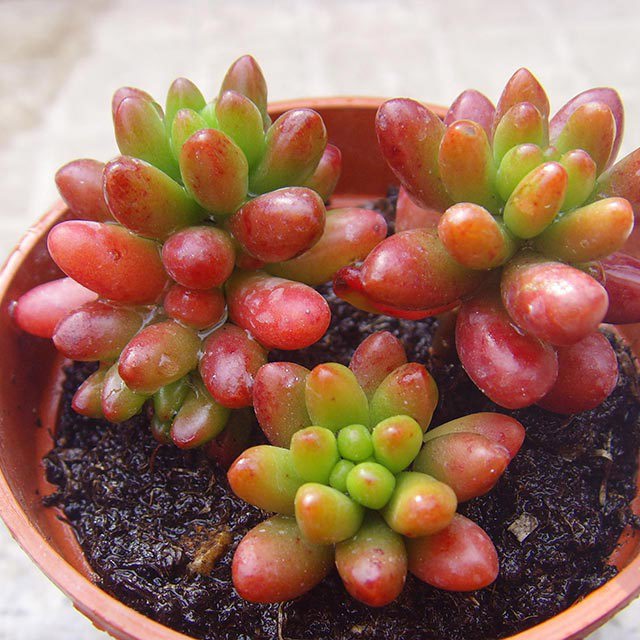
Sedum rubrotinctum – Sudden Leaf Drop

Why does your Sedum rubrotinctum have sudden leaf drop? Diagnose the cause and fix it with our step-by-step guide.

pets Pet Friendly

search Possible Causes

error

Overwatering and Root Rot

Sedum rubrotum are succulents that require well-draining soil; excessive moisture causes roots to decay, making the leaves detach easily from the stem. This is the most common cause of sudden leaf loss in this species.

Very Common
lightbulb
How to confirm: Gently tug a leaf to see if it comes off with no resistance and check if the base of the stem feels soft or mushy.
build How to fix it
shopping_cart Recommended Products
1 Immediately remove the plant from its current container and inspect the roots; trim away any mushy, black, or foul-smelling roots using sterilized tools.
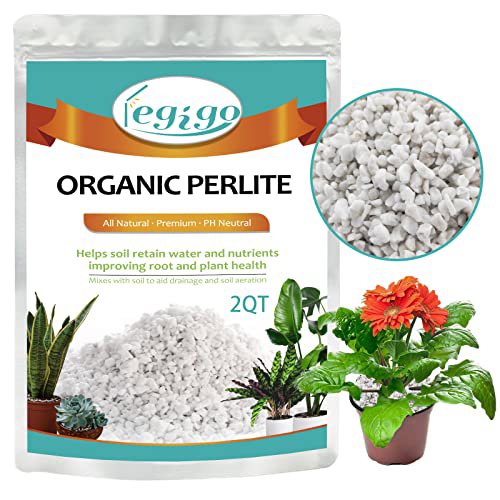
2 Repot the plant in a fresh, highly porous substrate designed for succulents to ensure rapid drainage and prevent future moisture buildup.
3 Use a moisture meter to monitor the soil, ensuring you only water the Sedum when the substrate is completely dry to the touch.
error

Temperature Shock or Cold Stress

Jelly Bean Plants are sensitive to sudden drops in temperature, particularly below 50°F (10°C). Rapid cooling causes the plant's cells to lose turgor pressure, resulting in widespread leaf drop.

Very Common
lightbulb
How to confirm: Check if the plant was recently moved near a drafty window or exposed to nighttime lows.
build How to fix it
shopping_cart Recommended Products
1 Immediately move the plant to a warmer, stable environment, ensuring temperatures remain consistently above 50°F (10°C).
2 Avoid placing the plant near cold drafts, windows, or air conditioning vents to prevent further temperature fluctuations.
3 Monitor soil moisture closely with a meter to ensure the plant is not overwatered while in a stressed, non-photosynthesizing state.
warning

Inadequate Light (Etiolation)

If the Sedum is not receiving enough bright, direct sunlight, it becomes weak and 'leggy,' losing its ability to support its own leaf weight. This lack of energy leads to the plant shedding leaves to conserve resources.

Common
lightbulb
How to confirm: Observe if the stem is stretching significantly or if the leaves have lost their characteristic reddish tint.
build How to fix it
shopping_cart Recommended Products
1 Move your Sedum to a location that receives at least 6 hours of bright, direct sunlight daily to stop the leggy growth and leaf drop.
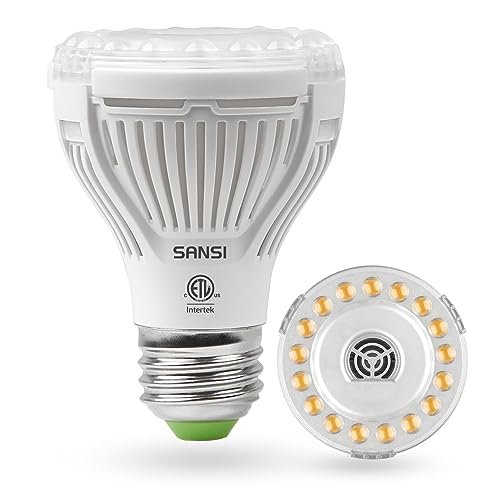
2 Supplement with a full-spectrum grow light if natural sunlight is insufficient to provide the energy needed for leaf retention.
3 Prune away the excessively stretched, weak stems to encourage more compact, healthy growth.
warning

Pest Infestation (Mealybugs or Aphids)

Sap-sucking insects can weaken the plant's vascular system by draining nutrients, causing the leaves to detach. Mealybugs specifically target the crevices of Sedum stems.

Common
lightbulb
How to confirm: Inspect the leaf axils and undersides for tiny white cottony spots or sticky residue called honeydew.
build How to fix it
shopping_cart Recommended Products
1 Inspect the crevices of the stems and leaf axils for white, cottony masses (mealybugs) or small, soft-bodied insects (aphids).
2 Apply an organic insecticide spray to the entire plant, ensuring you coat the undersides of leaves and stem joints to eliminate pests.
3 Isolate the plant from others to prevent the infestation from spreading and monitor soil moisture to ensure the plant isn't also suffering from overwatering.

Other Sedum rubrotinctum problems

Your plant might also be experiencing one of these issues:

local_hospital All symptoms eco All plants with sudden leaf drop
favorite