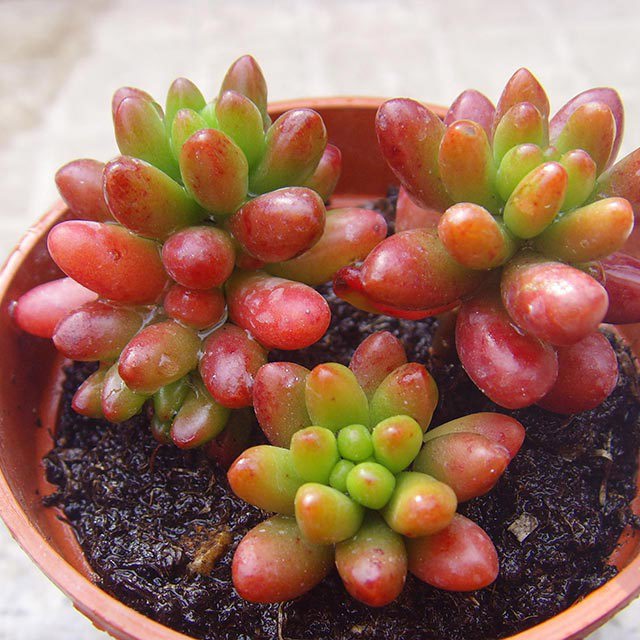
Sedum rubrotinctum Tiny Black Flies
eco Tiny Black Flies

Sedum rubrotinctum – Tiny Black Flies

Why does your Sedum rubrotinctum have tiny black flies? Diagnose the cause and fix it with our step-by-step guide.

pets Pet Friendly

search Possible Causes

error

Fungus Gnats

The most common cause of tiny black flies in succulents is fungus gnats, whose larvae thrive in the moist organic matter found in overwatered Sedum soil. The adults are attracted to the humidity levels around the base of the plant.

Very Common
lightbulb
How to confirm: Place a yellow sticky trap near the plant to see if small, dark-winged insects are captured.
build How to fix it
shopping_cart Recommended Products
1 Reduce watering frequency and allow the soil to dry out completely between waterings to disrupt the larvae's moist habitat.
2 Deploy yellow sticky traps near the base of the plant to capture adult flies and prevent further breeding.
3 Repot the plant in a well-draining succulent mix containing perlite to improve aeration and reduce organic moisture retention.
warning

Sapromyiid Flies (Scuttle Flies)

These flies are attracted to the decaying organic matter within the potting mix. In Sedum rubrotinctum, they often emerge when the substrate has become too decomposed or holds moisture for too long.

Common
lightbulb
How to confirm: Check if the flies seem to be hovering specifically around the surface of the soil rather than the leaves.
build How to fix it
shopping_cart Recommended Products
1 Apply a biological insecticide to eliminate the fly larvae and adults in the soil and on plant surfaces.
2 Reduce watering frequency and allow the substrate to dry out completely to disrupt the flies' breeding cycle.
3 Repot the plant in fresh, well-draining substrate and top with a layer of perlite to prevent flies from reaching organic matter.
warning

Fruit Flies (Drosophila)

If there is fermenting organic material or uncleaned debris near the pot, fruit flies may mistake the succulent's environment for a breeding ground. While less common than gnats, they are attracted to high-moisture environments.

Common
lightbulb
How to confirm: Inspect the area around the pot for any rotting organic matter or overripe fruit nearby.
build How to fix it
shopping_cart Recommended Products
1 Remove any fermenting organic matter, rotting plant debris, or overripe fruit from the area surrounding the pot to eliminate breeding sites.
2 Ensure the soil surface is dry and clean, as fruit flies are attracted to high-moisture environments and decaying organic material.
3 Use yellow sticky traps near the plant to capture adult flies and prevent further reproduction.

Other Sedum rubrotinctum problems

Your plant might also be experiencing one of these issues:

local_hospital All symptoms eco All plants with tiny black flies
favorite



