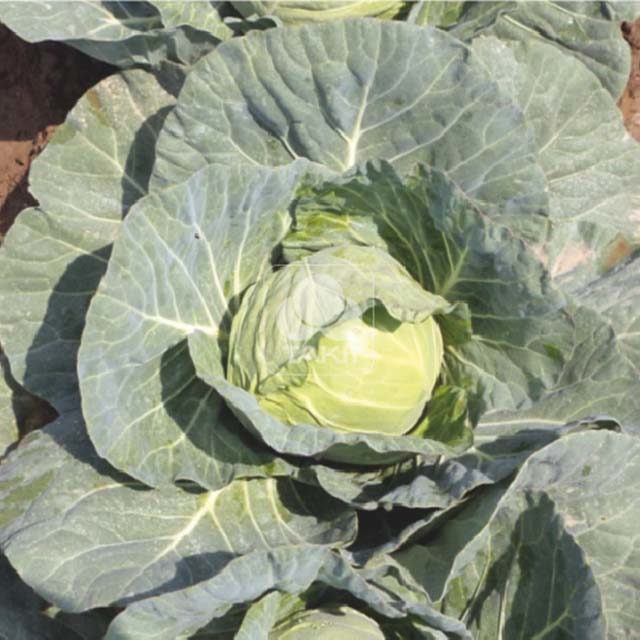
White Cabbage TCA 520 F1 Drooping Leaves
eco Drooping Leaves

White Cabbage TCA 520 F1 – Drooping Leaves

Why does your White Cabbage TCA 520 F1 have drooping leaves? Diagnose the cause and fix it with our step-by-step guide.

search Possible Causes

error

Water Stress (Drought or Waterlogging)

Cabbage varieties like TCA 520 F1 have large, heavy leaves that require consistent soil moisture to maintain turgor pressure. Both extreme dry spells and waterlogged soil can cause the plant to wilt as roots either desiccate or suffer from oxygen deprivation.

Very Common
lightbulb
How to confirm: Stick your finger two inches into the soil; if it is bone dry, the plant needs water, but if it is muddy, you are overwatering.
build How to fix it
shopping_cart Recommended Products
1 Check the soil moisture level immediately using a moisture meter to determine if the plant is suffering from dehydration or overwatering.
2 If the soil is bone dry, water the plant thoroughly until water drains from the bottom; if the soil is saturated, improve drainage by adding perlite or horticultural perlite to the soil mix.
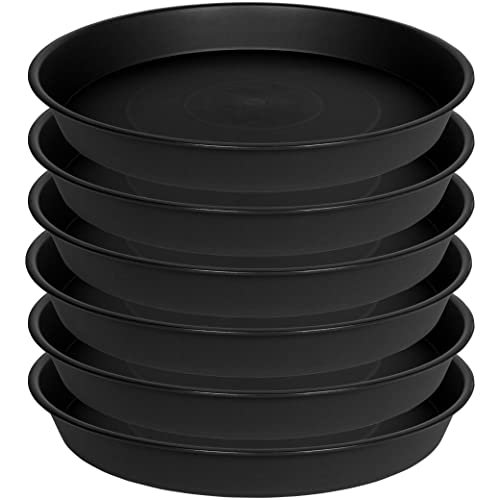
3 Ensure the plant is in a container with adequate drainage and use a saucer to prevent water from pooling around the base of the stem.
warning

Root Rot (Pythium or Phytophthora)

Excessive moisture in cabbage beds promotes fungal pathogens that attack the root system. When roots decay, they can no longer transport water to the large leaves of the TCA 520 F1, resulting in permanent drooping even when soil is wet.

Common
lightbulb
How to confirm: Gently pull on a wilted plant to see if it feels loose in the ground and inspect the roots for dark, slimy patches.
build How to fix it
shopping_cart Recommended Products
1 Immediately reduce watering frequency and ensure the soil is not waterlogged to stop the spread of fungal pathogens.
2 Repot the cabbage in a well-draining medium and incorporate perlite to improve aeration and prevent future rot.
3 Apply a microbial-based liquid fertilizer to help restore the root zone and support plant recovery from stress.
warning

Transplant Shock

If the cabbage was recently moved from a nursery tray to the field, the sudden change in microclimate and root disturbance can cause temporary leaf drooping. TCA 520 F1 is a vigorous grower but requires an established root system to manage transpiration.

Common
lightbulb
How to confirm: Check if the drooping began within 48 hours of planting or moving the plant.
build How to fix it
shopping_cart Recommended Products
1 Ensure the soil remains consistently moist to reduce transpiration stress and help the root system stabilize.
2 Apply a microbial-based liquid fertilizer to promote rapid root zone development and aid in recovery from the transplant disturbance.
3 Mulch around the base of the cabbage to regulate soil temperature and prevent further moisture loss from the disturbed roots.
warning

Nitrogen Deficiency

Cabbages are heavy nitrogen feeders; a lack of available nitrogen prevents the development of strong cell walls and structural integrity. While often characterized by yellowing (chlorosis), severe deficiency can lead to limp, drooping foliage.

Common
lightbulb
How to confirm: Examine the older, lower leaves for yellowing accompanied by the loss of leaf stiffness.
build How to fix it
shopping_cart Recommended Products
1 Apply a nitrogen-rich organic fertilizer to the soil to restore structural integrity and promote lush green growth.
2 Monitor soil moisture levels using a moisture meter to ensure the plant is not drooping due to dehydration instead of nutrient lack.
3 Ensure the cabbage is planted in a nutrient-dense medium, such as a mix containing organic worm castings, to provide long-term nitrogen availability.

Other White Cabbage TCA 520 F1 problems

Your plant might also be experiencing one of these issues:

local_hospital All symptoms eco All plants with drooping leaves
favorite