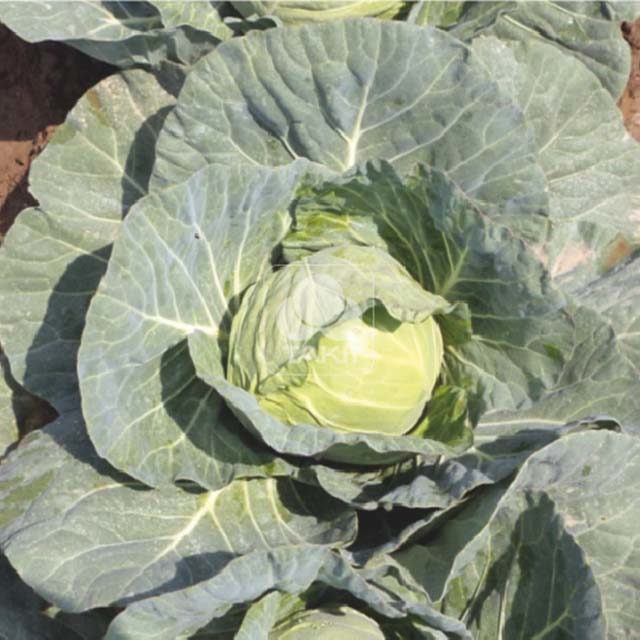
White Cabbage TCA 520 F1 Fine Webbing
eco Fine Webbing

White Cabbage TCA 520 F1 – Fine Webbing

Why does your White Cabbage TCA 520 F1 have fine webbing? Diagnose the cause and fix it with our step-by-step guide.

search Possible Causes

error

Two-Spotted Spider Mite Infestation

These microscopic arachnids feed on the undersides of cabbage leaves, injecting toxins that cause stippling and create characteristic fine silken webbing to protect themselves and their eggs.

Very Common
lightbulb
How to confirm: Hold a white piece of paper under a leaf and tap it to see if tiny moving dots fall onto the paper.
build How to fix it
shopping_cart Recommended Products
1 Apply an organic miticide/insecticide spray to the undersides of the leaves to eliminate the spider mites and their eggs.
2 Use yellow sticky traps to capture adult mites and monitor for any remaining flying pests in the area.
3 Increase humidity around the cabbage plants and ensure proper airflow to make the environment less hospitable for spider mites.
warning

Fall Webworm (Trichodesma*) Infestation

The larvae of these moths spin dense, silken webs around cabbage foliage and terminal buds to create a protective habitat while they feed on the plant tissue.

Common
lightbulb
How to confirm: Inspect the centers of the leaf clusters for small green caterpillars moving within the webbing.
build How to fix it
shopping_cart Recommended Products
1 Manually remove visible webbing and larvae from the cabbage leaves to reduce the immediate population.
2 Apply an organic insecticide spray to eliminate remaining larvae and eggs; Bonide Captain Jack's Neem Oil is effective for controlling various pests and larvae.
3 Monitor the plant closely using a moisture meter to ensure the plant remains hydrated, as pest stress can increase water needs.
warning

Diamondback Moth Larvae

While primarily known for 'windowpane' feeding, heavy infestations can lead to increased silk production and webbing as larvae congregate around feeding sites on the leaves.

Common
lightbulb
How to confirm: Look for small, irregular holes in the cabbage leaves accompanied by dark fecal matter (frass) inside the webs.
build How to fix it
shopping_cart Recommended Products
1 Apply an organic insecticide to eliminate the larvae and disrupt their life cycle.
2 Manually remove any visible larvae or heavy webbing from the cabbage leaves to reduce the immediate infestation.
3 Monitor soil moisture levels to ensure the plant remains strong enough to recover from feeding damage.

Other White Cabbage TCA 520 F1 problems

Your plant might also be experiencing one of these issues:

local_hospital All symptoms eco All plants with fine webbing
favorite


