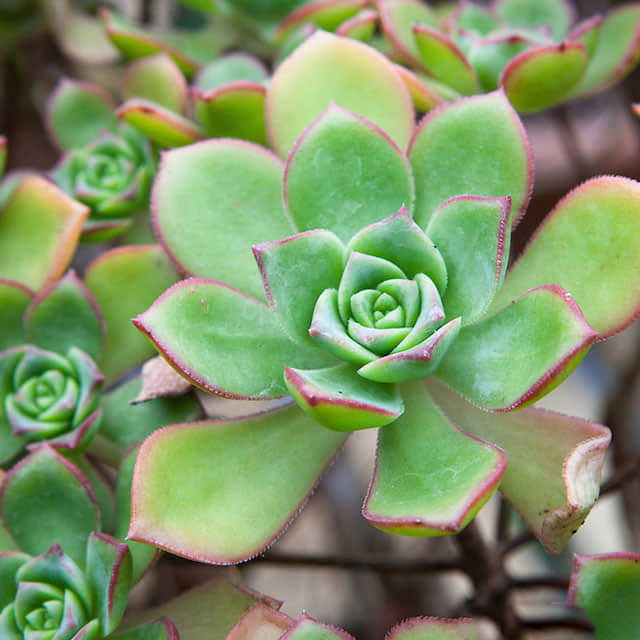
Aeonium haworthii Brown Leaf Tips
eco Brown Leaf Tips

Aeonium haworthii – Brown Leaf Tips

Why does your Aeonium haworthii have brown leaf tips? Diagnose the cause and fix it with our step-by-step guide.

search Possible Causes

error

Low Humidity or Dehydration

As a succulent, Aeonium haworthii prefers some ambient humidity; if the air is too dry or the growing medium has completely desiccated, the leaf margins will crisp up first.

Very Common
lightbulb
How to confirm: Check if the soil is bone-dry and if your indoor environment has very low humidity levels.
build How to fix it
shopping_cart Recommended Products
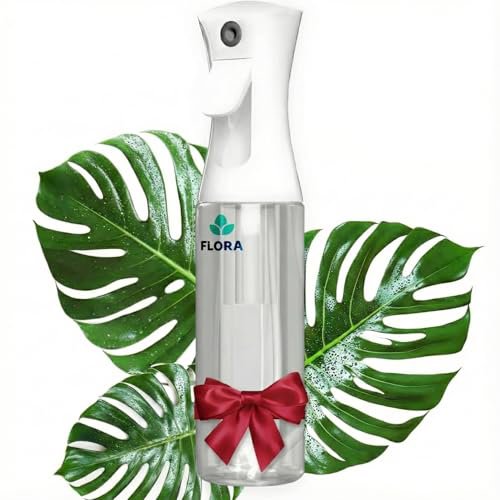
1 Increase ambient humidity around the plant by using a pebble tray or a fine misting tool to prevent further leaf desiccation.
2 Monitor the soil moisture levels closely using an analog meter to ensure the growing medium is hydrated but not waterlogged.
3 Ensure the plant is in a pot with excellent drainage to prevent root rot while maintaining consistent moisture.
error

Salt Accumulation (Fertilizer Burn)

Excessive mineral salts from tap water or over-fertilization can accumulate in the leaf tissue of Aeoniums, drawing moisture out of the cells and causing brown tips.

Very Common
lightbulb
How to confirm: Look for a white, crusty residue on the soil surface or the edges of the pot.
build How to fix it
shopping_cart Recommended Products
1 Flush the soil thoroughly with distilled or rainwater to leach out accumulated mineral salts from the potting medium.
2 Prune away the most severely browned leaf tips using sterilized shears to prevent further aesthetic decline.
3 Switch to a low-salt irrigation method and use a moisture meter to ensure you only water when the soil is dry, preventing future salt buildup.
warning

Sunscald / Intense Solar Radiation

While Aeoniums love light, sudden exposure to intense, direct midday sun without acclimation can cause localized thermal damage to the leaf extremities.

Common
lightbulb
How to confirm: Observe if the brown patches correspond to the side of the plant facing the window or strongest light source.
build How to fix it
shopping_cart Recommended Products
1 Move the plant to a location with bright, indirect light or filtered sunlight to prevent further thermal damage to the leaf tissues.
2 Monitor soil moisture levels closely, as intense radiation can rapidly dehydrate the substrate; use a moisture meter to ensure the plant remains hydrated without overwatering.
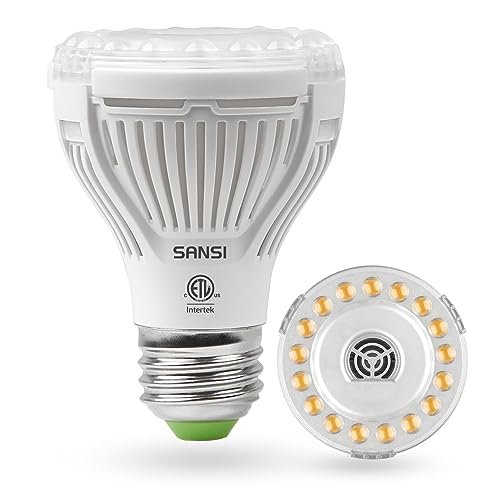
3 If the plant is in a high-heat area, consider using a grow light with a controlled spectrum to provide necessary light without the extreme heat of direct midday sun.
warning

Root Rot (Early Stage)

While root rot usually causes mushy leaves, the beginning stages of fungal decay due to overly wet substrate can disrupt water transport, leading to necrotic leaf tips.

Common
lightbulb
How to confirm: Gently lift the plant to see if the roots are dark, slimy, or emitting an unpleasant odor.
build How to fix it
shopping_cart Recommended Products
1 Immediately check the soil moisture levels to ensure the substrate is not staying saturated; use a moisture meter to detect deep-seated dampness.
2 Repot the plant into a well-draining medium by mixing in perlite or horticultural grit to improve aeration and prevent further decay.
3 Ensure the plant is in a container with excellent drainage and avoid letting water sit in the saucer to prevent future fungal growth.

Other Aeonium haworthii problems

Your plant might also be experiencing one of these issues:

local_hospital All symptoms eco All plants with brown leaf tips
favorite