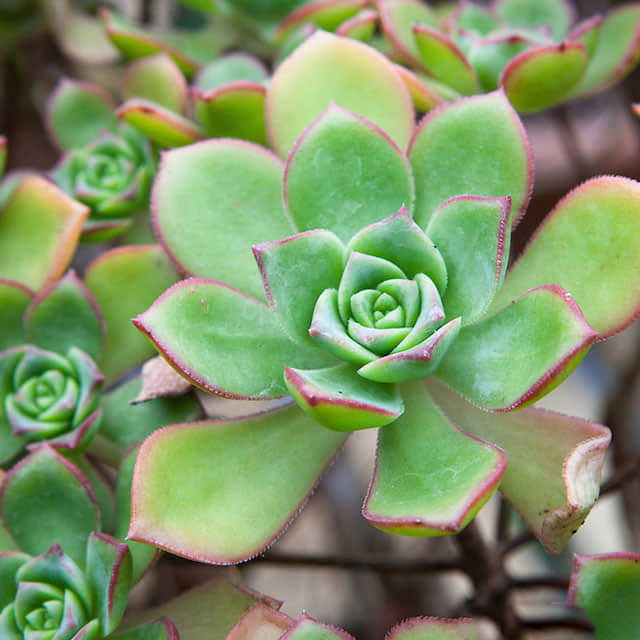
Aeonium haworthii Leggy Stems
eco Leggy Stems

Aeonium haworthii – Leggy Stems

Why does your Aeonium haworthii have leggy stems? Diagnose the cause and fix it with our step-by-step guide.

search Possible Causes

error

Insufficient Light Exposure

Aeoniums are phototropic; when light is inadequate, the plant undergoes etiolation, stretching its stems to search for a light source. This results in elongated, weak internodes and smaller, paler leaves.

Very Common
lightbulb
How to confirm: Observe if the stem length has increased significantly while the rosette diameter has decreased or stayed the same.
build How to fix it
shopping_cart Recommended Products
1 Move your Aeonium to a location with much brighter, indirect light or provide supplemental lighting to prevent further stretching.
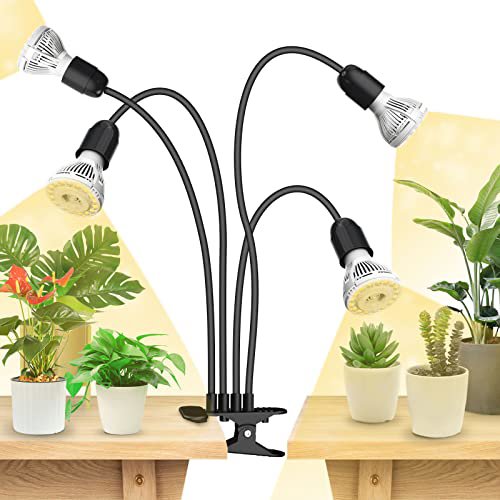
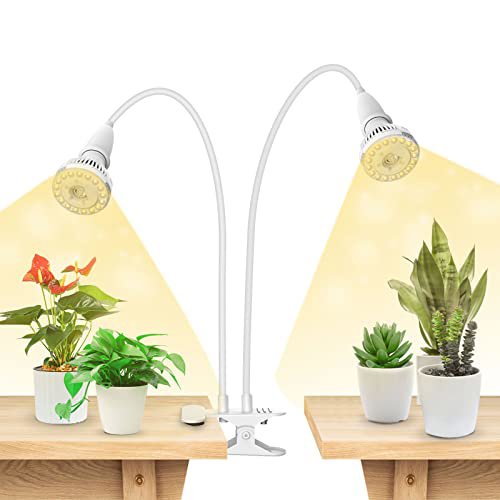
2 Use a full-spectrum grow light to mimic natural sunlight and encourage the plant to develop compact, healthy growth.
3 Prune the elongated, weak stems to encourage new, denser growth from the base of the plant.
warning

Overwatering and Root Stress

Excessive moisture in Aeonium substrates can lead to root decay, which inhibits the plant's ability to support its own structure. As roots fail, the plant may lose turgor pressure and appear stretched or spindly.

Common
lightbulb
How to confirm: Check the base of the stem for any signs of softening or dark, mushy discoloration in the substrate.
build How to fix it
shopping_cart Recommended Products
1 Immediately stop watering and allow the substrate to dry out completely to prevent further root decay.
2 Repot the plant in a well-draining, gritty substrate like a succulent mix or add perlite to improve aeration and prevent future waterlogging.
3 Prune away any mushy or blackened stems caused by rot to prevent the decay from spreading to the healthy part of the plant.
warning

Temperature Fluctuations (Heat Stress)

While Aeoniums enjoy warmth, extreme heat without adequate cooling periods can cause rapid, weak growth. This metabolic stress often manifests as leggy, thin stems that lack the characteristic density of a healthy rosette.

Common
lightbulb
How to confirm: Monitor if the legginess coincides with recent exposure to temperatures exceeding 30°C (86°F) without ventilation.
build How to fix it
shopping_cart Recommended Products
1 Move your plant to a location with more consistent temperatures and avoid direct, intense afternoon sun to reduce metabolic heat stress.
2 Increase light intensity using a full-spectrum grow light to encourage denser, more compact rosette growth.
3 Monitor soil moisture levels closely to ensure the plant isn't experiencing drought stress during heat spikes.

Other Aeonium haworthii problems

Your plant might also be experiencing one of these issues:

local_hospital All symptoms eco All plants with leggy stems
favorite