Brassica oleracea botrytis Leggy Stems
eco Leggy Stems

Brassica oleracea botrytis – Leggy Stems

Why does your Brassica oleracea botrytis have leggy stems? Diagnose the cause and fix it with our step-by-step guide.

pets Pet Friendly

search Possible Causes

error

Insufficient Light (Etiolation)

The plant is stretching its stems toward a light source to compensate for low photon density, causing weak, elongated growth. This is common in cauliflower seedlings grown under inadequate supplemental lighting or in shaded areas.

Very Common
lightbulb
How to confirm: Observe if the stems are pale and leaning towards a window or single light source.
build How to fix it
shopping_cart Recommended Products
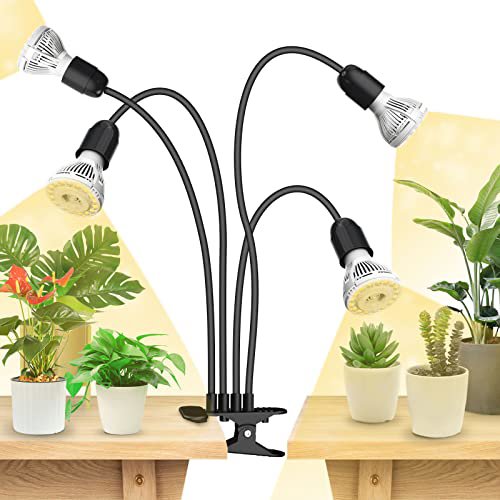
1 Increase light intensity and duration by providing supplemental full-spectrum lighting to prevent further stretching.
2 Move the plant to a location with higher ambient light or use a grow light to ensure adequate photon density for sturdy stem development.
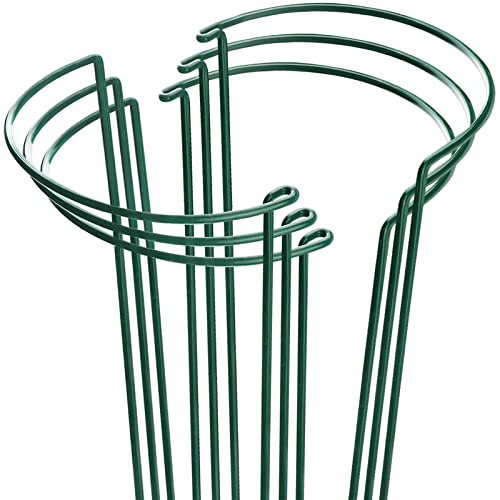
3 Gently support the elongated stems with stakes to prevent them from collapsing under their own weight.
warning

High Nitrogen levels with Low Light

Excessive nitrogen fertilization can stimulate rapid, succulent vegetative growth that outpaces the plant's structural development. In cauliflower, this results in tall, soft stems that lack the necessary lignification to stay upright.

Common
lightbulb
How to confirm: Check if the leaves are an unnaturally dark green while the stems remain thin and weak.
build How to fix it
shopping_cart Recommended Products
1 Increase light exposure by moving the plant to a brighter location or using a full-spectrum grow light to support structural development.
2 Flush the soil with plain water to leach out excess nitrogen and prevent further rapid, weak growth.
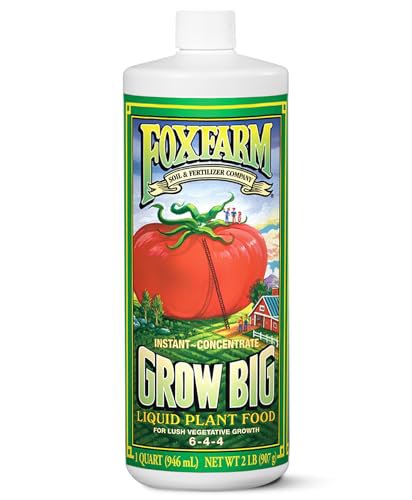
3 Avoid applying high-nitrogen fertilizers like Grow Big; instead, focus on balanced nutrition if feeding is necessary.
warning

Temperature Fluctuations (Heat Stress)

High nighttime temperatures can accelerate metabolic rates in Brassica species, leading to rapid stem elongation before the plant can establish a sturdy base. This 'bolting-like' growth makes the stems appear spindly and leggy.

Common
lightbulb
How to confirm: Check if the growing environment has experienced recent spikes in temperature above 25°C (77°F).
build How to fix it
shopping_cart Recommended Products
1 Relocate the plant to a cooler environment or provide shade during peak heat hours to stabilize metabolic rates and prevent further stem elongation.
2 Apply a balanced liquid fertilizer to support structural development and help the plant recover from heat-induced stress.
3 Monitor soil moisture levels closely using a moisture meter to ensure the plant remains hydrated during temperature spikes, preventing further physiological stress.
warning

Overwatering/Poor Aeration

While usually associated with rot, consistent high moisture levels without enough oxygen can lead to rapid, soft cell expansion. This creates a 'leggy' appearance because the structural integrity of the stem cells is compromised.

Common
lightbulb
How to confirm: Feel the substrate to see if it remains saturated for long periods after watering.
build How to fix it
shopping_cart Recommended Products
1 Reduce watering frequency and ensure the growing medium has excellent drainage to prevent soil saturation.
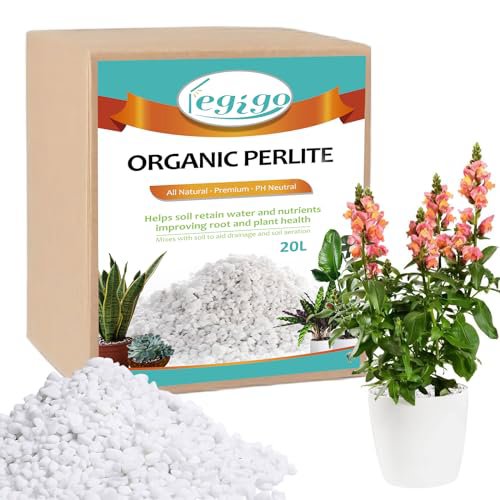
2 Amend your existing soil with horticultural perlite to increase oxygen availability and prevent future stem softening.
3 Monitor soil moisture levels closely using an analog meter to ensure you only water when the top layer of soil is dry.

Other Brassica oleracea botrytis problems

Your plant might also be experiencing one of these issues:

local_hospital All symptoms eco All plants with leggy stems
favorite