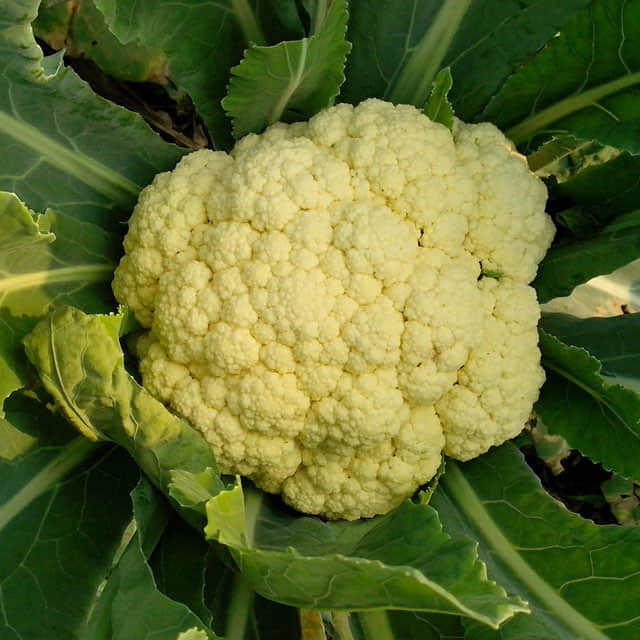
Brassica oleracea botrytis Tiny Black Flies
eco Tiny Black Flies

Brassica oleracea botrytis – Tiny Black Flies

Why does your Brassica oleracea botrytis have tiny black flies? Diagnose the cause and fix it with our step-by-step guide.

pets Pet Friendly

search Possible Causes

error

Fungus Gnats

The tiny black flies are likely the adults of fungus gnats, which thrive in the moist organic matter around cauliflower roots. Their larvae feed on fine root hairs, which can lead to nutrient deficiencies and stunted growth in the cauliflower head.

Very Common
lightbulb
How to confirm: Place a yellow sticky trap near the base of the plant to confirm the presence of small, dark flies.
build How to fix it
shopping_cart Recommended Products
1 Deploy yellow sticky traps to capture the adult flying gnats and break the reproductive cycle.
2 Reduce watering frequency and allow the top inch of soil to dry out to eliminate the moist environment larvae need to thrive.
3 Apply a microbial-based liquid drench to target larvae in the soil and support root zone health.
warning

Black Bean Aphid (Aphis fabae)

While usually seen as small dark clusters on stems, some aphid species can be mistaken for tiny flying insects. They suck sap from the developing cauliflower curd, causing distortion and potential bacterial rot.

Common
lightbulb
How to confirm: Inspect the undersides of leaves and the base of the cauliflower head for tiny, stationary black clusters.
build How to fix it
shopping_cart Recommended Products
1 Apply an organic insecticide spray to eliminate the aphid population and protect the developing cauliflower curd.
2 Inspect the undersides of leaves and stems for clusters of aphids and remove heavily infested plant parts manually.
3 Use yellow sticky traps to capture any flying adult insects and monitor for further infestations.
warning

Leafminers (Liriomyza spp.)

The adult flies are small, dark flies that lay eggs inside the leaves. The resulting larvae create characteristic 'serpentine' winding trails through the cauliflower foliage, disrupting photosynthesis.

Common
lightbulb
How to confirm: Look for thin, white, twisting lines on the surface of the leaves rather than just the presence of flies.
build How to fix it
shopping_cart Recommended Products
1 Apply an organic insecticide to eliminate the adult flies and prevent further egg-laying on the foliage.
2 Prune and carefully dispose of any cauliflower leaves showing visible serpentine trails to remove larvae from the plant.
3 Use yellow sticky traps to monitor and capture adult flies, reducing the population in the immediate area.

Other Brassica oleracea botrytis problems

Your plant might also be experiencing one of these issues:

local_hospital All symptoms eco All plants with tiny black flies
favorite