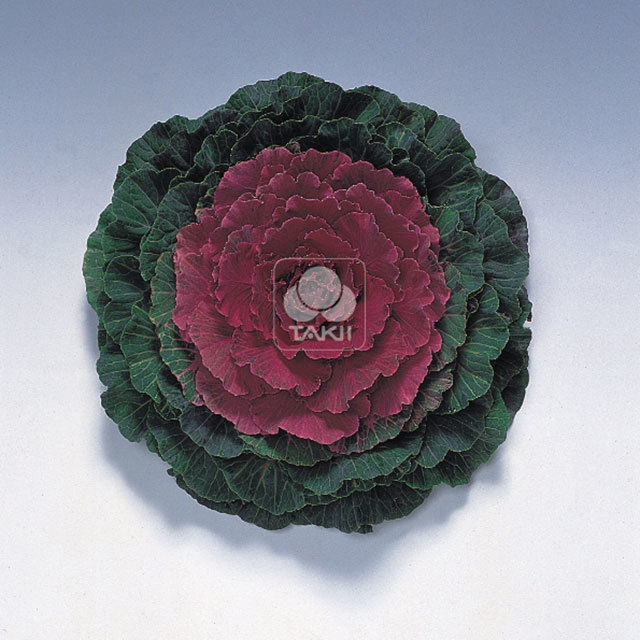
Brassica oleracea Red Kale Brown Leaf Tips
eco Brown Leaf Tips

Brassica oleracea Red Kale – Brown Leaf Tips

Why does your Brassica oleracea Red Kale have brown leaf tips? Diagnose the cause and fix it with our step-by-step guide.

pets Pet Friendly

search Possible Causes

error

Salt Accumulation (Fertilizer Burn)

Red kale is sensitive to high concentrations of soluble salts in the soil. As water evaporates, salts accumulate at the leaf margins and tips, causing localized tissue necrosis.

Very Common
lightbulb
How to confirm: Check if you have recently applied high-nitrogen fertilizer or if there is a white crust on the soil surface.
build How to fix it
shopping_cart Recommended Products
1 Flush the soil thoroughly with large amounts of fresh, distilled, or rainwater to leach out the accumulated mineral salts from the root zone.
2 Prune away the necrotic brown leaf tips using sterilized shears to prevent further stress to the plant.
3 Transition to a more diluted fertilization schedule and monitor soil moisture levels using a moisture meter to prevent future salt buildup.
error

Drought Stress

Brassica species require consistent moisture to maintain cell turgidity. When water becomes scarce, the plant sacrifices the furthest extremities (the leaf tips) to preserve the main stem and core.

Very Common
lightbulb
How to confirm: Stick your finger two inches into the soil to see if it feels dry and bone-like.
build How to fix it
shopping_cart Recommended Products
1 Immediately check the soil moisture levels to confirm the depth of the drought; use a moisture meter to ensure the root zone is adequately hydrated.
2 Establish a consistent watering schedule to prevent future moisture fluctuations, ensuring the soil remains damp but not waterlogged.
3 Apply a liquid seaweed fertilizer to help the plant recover from environmental stress and boost nutrient uptake.
warning

Potassium Deficiency

A lack of potassium interferes with osmoregulation within the plant cells. In kale, this specifically manifests as browning or 'scorching' starting at the leaf edges and tips.

Common
lightbulb
How to confirm: Observe if the browning is accompanied by a general loss of vigor despite adequate watering.
build How to fix it
shopping_cart Recommended Products
1 Apply a potassium-rich organic fertilizer to the soil to restore essential nutrient levels and support osmoregulation.
2 Monitor soil moisture levels using a moisture meter to ensure consistent hydration, as water stress can exacerbate tip burn.
3 Prune away the most severely scorched leaves to prevent potential secondary decay and focus the plant's energy on new growth.
warning

Wind Scorch

Strong, dry winds can rapidly dehydrate the delicate margins of kale leaves faster than the roots can replace the moisture.

Common
lightbulb
How to confirm: Check if the brown tips are primarily on leaves exposed to prevailing wind directions or located in highly ventilated areas.
build How to fix it
shopping_cart Recommended Products
1 Relocate the kale to a sheltered area or use a windbreak to protect the leaves from direct exposure to strong, drying gusts.
2 Increase local humidity around the plant by using a fine mist spray to prevent further margin dehydration.
3 Monitor soil moisture levels closely to ensure the roots are providing adequate hydration to compensate for leaf transpiration.

Other Brassica oleracea Red Kale problems

Your plant might also be experiencing one of these issues:

local_hospital All symptoms eco All plants with brown leaf tips
favorite