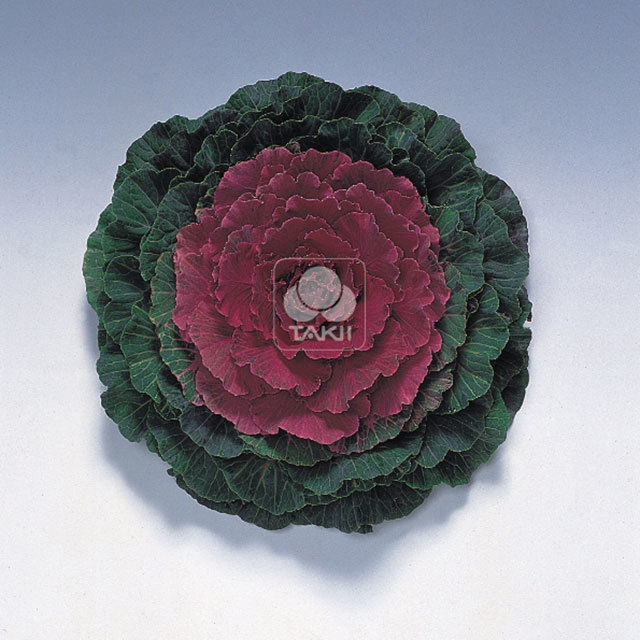
Brassica oleracea Red Kale Fine Webbing
eco Fine Webbing

Brassica oleracea Red Kale – Fine Webbing

Why does your Brassica oleracea Red Kale have fine webbing? Diagnose the cause and fix it with our step-by-step guide.

pets Pet Friendly

search Possible Causes

error

Two-Spotted Spider Mite Infestation

Spider mites thrive in hot, dry conditions common to Brassica cultivation and feed on the undersides of kale leaves, leaving behind characteristic fine silk webbing. This feeding process causes stippling (small light spots) and eventual chlorosis of the red pigment.

Very Common
lightbulb
How to confirm: Hold a white piece of paper underneath a leaf and tap it to see if tiny crawling dots or debris fall onto the paper.
build How to fix it
shopping_cart Recommended Products
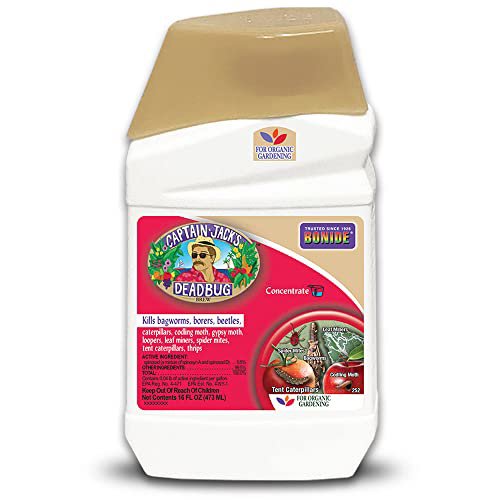
1 Immediately spray the plant, especially the undersides of leaves, with an organic miticide to eliminate the spider mite population.
2 Increase humidity around the kale and ensure the soil remains consistently moist to create an environment less favorable to mite reproduction.
3 Monitor soil moisture levels regularly using a moisture meter to prevent the dry conditions that trigger mite outbreaks.
error

Tetranychus urticae (European Red Spider Mite)

A specific subspecies of mite that is highly prevalent in Brassica crops, producing dense webbing that can eventually encase entire kale heads. The webbing acts as a protective microenvironment for the mites to continue feeding on leaf parenchyma.

Very Common
lightbulb
How to confirm: Inspect the undersides of the lower leaves for tiny reddish or orange specks moving near the silk strands.
build How to fix it
shopping_cart Recommended Products
1 Apply an organic miticide/insecticide spray to the plant to eliminate the spider mite population and destroy the protective webbing.
2 Physically remove visible webbing from the kale leaves using a soft cloth or gentle water spray to disrupt the mites' microenvironment.
3 Increase humidity around the plant and ensure proper airflow, as spider mites thrive in hot, dry conditions.
warning

Fall Armyworm (early stage/silk trails)

While primarily known for eating leaf tissue, young larvae can leave behind silken traces and fine webbing as they move through the kale canopy. This is often accompanied by irregular holes in the red foliage.

Common
lightbulb
How to confirm: Carefully peel back the larger leaves to look for small green caterpillars or dark fecal matter (frass) near the webbing.
build How to fix it
shopping_cart Recommended Products
1 Inspect the underside of leaves and the kale canopy for small larvae; manually remove any visible caterpillars to stop immediate feeding.
2 Apply an organic insecticide to eliminate remaining larvae and prevent further silk trail development.
3 Monitor the plant closely using a moisture meter to ensure the soil remains at an optimal level, as healthy plants are better equipped to recover from pest stress.

Other Brassica oleracea Red Kale problems

Your plant might also be experiencing one of these issues:

local_hospital All symptoms eco All plants with fine webbing
favorite