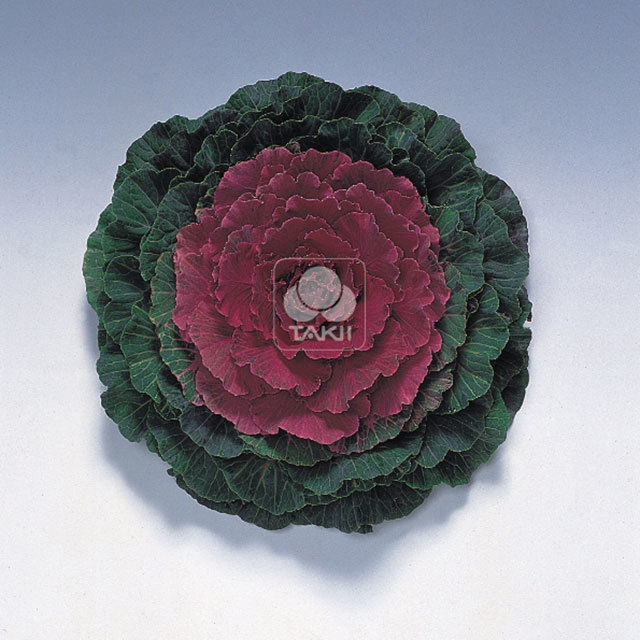
Brassica oleracea Red Kale Tiny Black Flies
eco Tiny Black Flies

Brassica oleracea Red Kale – Tiny Black Flies

Why does your Brassica oleracea Red Kale have tiny black flies? Diagnose the cause and fix it with our step-by-step guide.

pets Pet Friendly

search Possible Causes

error

Fungus Gnats (Sciaridae)

The tiny black flies are likely fungus gnats, whose larvae live in the soil of your red kale and feed on organic matter and fine root hairs. The adults emerge to lay eggs in moist substrate, which can lead to root damage and stunted growth in brassicas.

Very Common
lightbulb
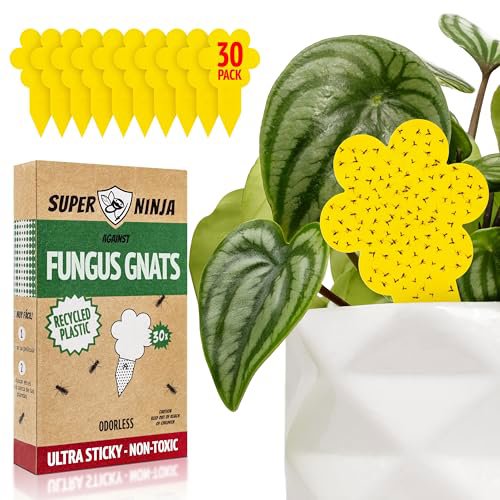
How to confirm: Set a yellow sticky trap near the base of the kale to confirm the presence of flying adults.
build How to fix it
shopping_cart Recommended Products
1 Deploy yellow sticky traps to capture the adult flying gnats and break the reproductive cycle.
2 Allow the top inch of soil to dry out completely between waterings to make the environment less hospitable for larvae.
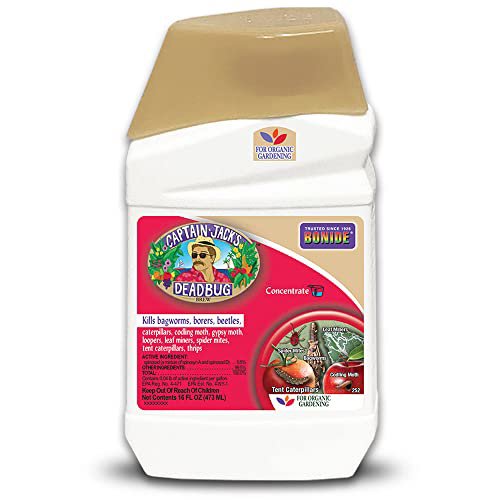
3 Apply a biological control or organic insecticide to target the larvae living in the soil substrate.
warning

Blackberry Fruit Fly (Drosophilidae) / Fruit Flies

If the kale is near decaying organic matter or overripe compost, fruit flies may be attracted to the area. While they don't feed directly on the kale leaves, their presence indicates high moisture levels that can promote fungal pathogens in Brassica crops.

Common
lightbulb
How to confirm: Check for any fermenting organic debris or overly wet compost nearby that might be attracting them.
build How to fix it
shopping_cart Recommended Products
1 Remove any decaying organic matter, overripe compost, or stagnant water from the vicinity of your kale to eliminate the flies' breeding grounds.
2 Deploy yellow sticky traps near the base of the kale to capture adult flies and monitor the infestation level.
3 Monitor soil moisture levels closely to ensure the medium is not excessively damp, which prevents the high humidity that attracts these pests.
warning

Leafminers (Agromyza spp.)

While the flies themselves are not leafminers, their presence often coincides with high humidity which supports small dipterans. If you notice winding white trails on the red kale leaves, the larvae of these flies may be the cause.

Common
lightbulb
How to confirm: Inspect the reddish-purple leaves for silvery, serpentine tunnels created by larvae.
build How to fix it
shopping_cart Recommended Products
1 Apply an organic insecticide spray to eliminate the adult flies and target any larvae present on the leaves.
2 Use yellow sticky traps to capture adult flies and monitor the population levels.
3 Reduce humidity around the kale by improving airflow and ensuring the soil surface stays dry to discourage fly breeding.

Other Brassica oleracea Red Kale problems

Your plant might also be experiencing one of these issues:

local_hospital All symptoms eco All plants with tiny black flies
favorite