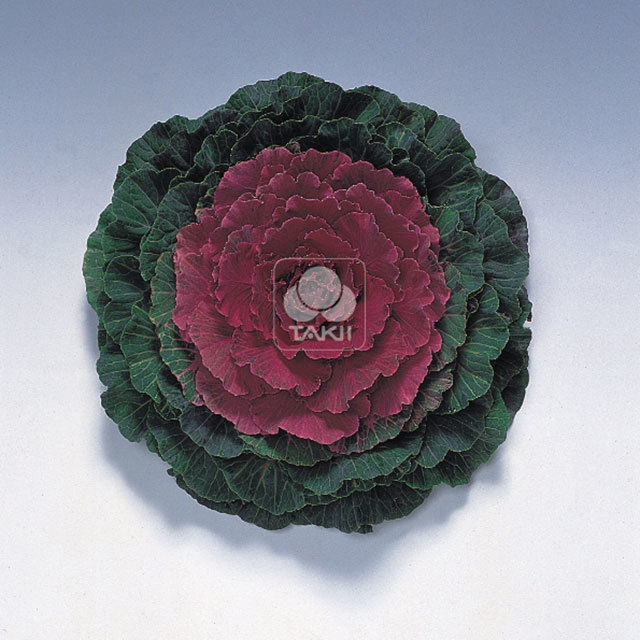
Why does your Brassica oleracea Red Kale have yellow leaves? Diagnose the cause and fix it with our step-by-step guide.
Pet FriendlyNitrogen is a mobile nutrient in kale, so the plant relocates it from older leaves to newer growth when supply is low. This results in characteristic chlorosis (yellowing) starting with the bottom-most mature leaves.
Excessive soil moisture displaces oxygen in the root zone, causing the roots of Red Kale to suffocate. This prevents the uptake of nutrients, leading to general leaf yellowing and eventual wilting.
In Brassicas, magnesium deficiency often presents as interveinal chlorosis, where the tissue between the veins turns yellow while the veins remain dark green.
Red Kale is a cool-season crop; exposure to temperatures consistently above 80°F (27°C) can cause physiological stress, leading to rapid yellowing and loss of anthocyanin (red) pigment.
Your plant might also be experiencing one of these issues:

 English
 Italiano