Brassica rapa Brown Leaf Tips
eco Brown Leaf Tips

Brassica rapa – Brown Leaf Tips

Why does your Brassica rapa have brown leaf tips? Diagnose the cause and fix it with our step-by-step guide.

search Possible Causes

error

Salt Accumulation (Salinity Stress)

Excessive nitrogen fertilizers or high mineral content in irrigation water can cause salts to build up at the leaf margins, leading to necrotic brown tips. This is particularly common in brassicas grown in container environments where leaching is limited.

Very Common
lightbulb
How to confirm: Check if you have recently applied heavy doses of synthetic fertilizer and try flushing the soil with pure water.
build How to fix it
shopping_cart Recommended Products
1 Flush the soil thoroughly with large amounts of fresh, low-mineral water to leach out accumulated salts from the root zone.
2 Check the soil moisture levels regularly using a meter to ensure you are not overwatering, which can exacerbate mineral buildup in containers.
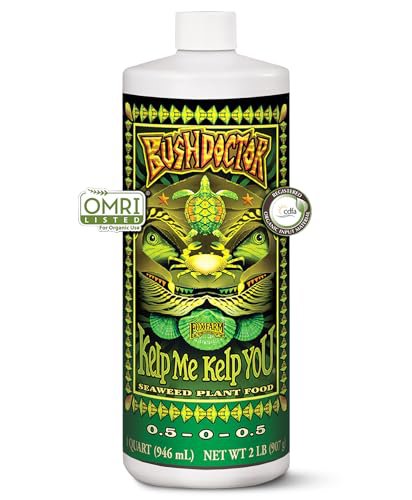
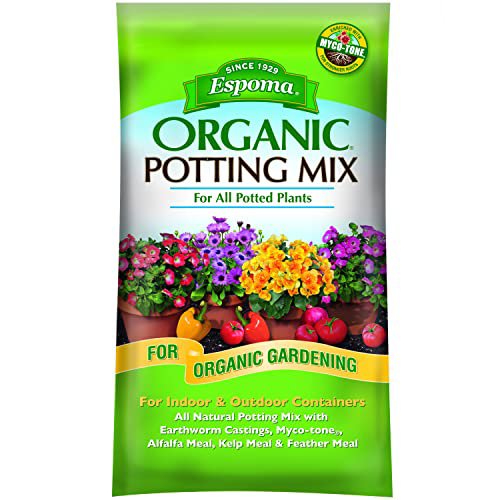
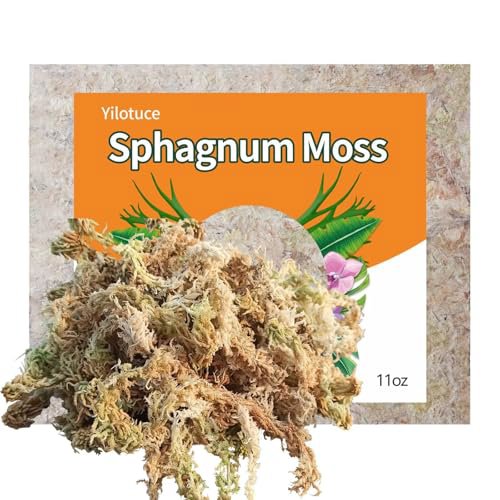
3 Transition to using a diluted, balanced organic fertilizer and consider adding perlite to the potting mix to improve drainage and prevent future salt stagnation.
error

Potassium Deficiency

Low potassium levels inhibit enzyme activation and water regulation, often manifesting as progressive browning starting at the leaf edges and tips. This is a common physiological disorder in fast-growing brassicas like Pak Choi during high growth phases.

Very Common
lightbulb
How to confirm: Examine if the browning follows the leaf margin closely and check if a potassium-rich fertilizer was omitted during transplanting.
build How to fix it
shopping_cart Recommended Products
1 Apply a potassium-rich organic fertilizer to boost nutrient uptake and restore enzyme activation.
2 Ensure the soil is well-aerated and contains enough organic matter to support nutrient availability.
3 Monitor soil moisture levels regularly to prevent physiological stress that exacerbates tip burn.
error

Tip Burn (Calcium Deficiency)

Caused by uneven calcium distribution within the plant tissue, often due to rapid growth or high humidity preventing transpiration. In Brassica rapa, this results in the tender growing points and leaf tips turning brown and dying.

Very Common
lightbulb
How to confirm: Observe if the browning is most severe on the youngest, most rapidly expanding leaves during humid periods.
build How to fix it
shopping_cart Recommended Products
1 Apply a calcium supplement to the soil to address the deficiency directly and strengthen cell walls.
2 Ensure consistent moisture levels and improve airflow around the plant to facilitate transpiration and calcium transport.
3 Mulch the soil surface to stabilize moisture and prevent the rapid growth spurts that trigger tip burn.
warning

Water Stress (Drought or Fluctuating Moisture)

Inconsistent soil moisture levels cause cellular collapse at the furthest points from the vascular system, which are the leaf tips. Brassicas have high water content and are highly sensitive to even brief periods of drought.

Common
lightbulb
How to confirm: Feel the soil depth at least 2 inches down to see if it has been allowed to dry out completely between waterings.
build How to fix it
shopping_cart Recommended Products
1 Check the soil moisture levels immediately using a moisture meter to determine if the plant is currently in a drought state.
2 Apply a consistent watering schedule to prevent the soil from drying out completely between sessions, as Brassicas require stable moisture.
3 Mulch the soil surface with organic matter to help retain moisture and reduce evaporation caused by temperature fluctuations.

Other Brassica rapa problems

Your plant might also be experiencing one of these issues:

local_hospital All symptoms eco All plants with brown leaf tips
favorite