Brassica rapa Drooping Leaves
eco Drooping Leaves

Brassica rapa – Drooping Leaves

Why does your Brassica rapa have drooping leaves? Diagnose the cause and fix it with our step-by-step guide.

search Possible Causes

error

Water Stress (Underwatering)

Brassica rapa has a high water content and shallow root system, making it highly susceptible to wilting when soil moisture drops below the field capacity. The loss of turgor pressure in the leaves leads to rapid drooping during hot periods.

Very Common
lightbulb
How to confirm: Stick your finger 2 inches into the soil; if it is dry, the plant requires immediate irrigation.
build How to fix it
shopping_cart Recommended Products
1 Immediately check the soil moisture level at the root zone to confirm the severity of the dehydration.
2 Apply water thoroughly to the base of the plant until the soil is saturated, ensuring the moisture reaches the shallow root system.
3 Apply a layer of organic mulch or perlite to the soil surface to help retain moisture and prevent future rapid evaporation.
error

Root Rot (Pythium or Rhizoctonia)

Excessive moisture in heavy soils can cause fungal pathogens to decay the taproot of the turnip. Once the root system is compromised, the plant cannot transport water to the foliage, causing permanent drooping even in wet soil.

Very Common
lightbulb
How to confirm: Gently lift a plant to inspect if the roots are dark, slimy, or have a foul odor.
build How to fix it
shopping_cart Recommended Products
1 Immediately remove the plant from the waterlogged soil and inspect the roots for mushy, brown, or foul-smelling decay.
2 Repot the plant in a well-draining, aerated medium by mixing in horticultural perlite to prevent future moisture buildup.
3 Monitor the soil moisture levels closely using an analog meter to ensure you only water when the top layer of soil is dry.
warning

Bacterial Soft Rot (Pectobacterium)

This bacterial disease targets the fleshy tissues of Brassicas, breaking down cell walls. As the internal structure of the leaves and stems collapses, the plant loses its upright posture and begins to droop.

Common
lightbulb
How to confirm: Check for any mushy, water-soaked spots on the base of the leaves that emit a strong odor.
build How to fix it
shopping_cart Recommended Products
1 Immediately remove and destroy all infected plant material and debris to prevent the bacteria from spreading to healthy plants.
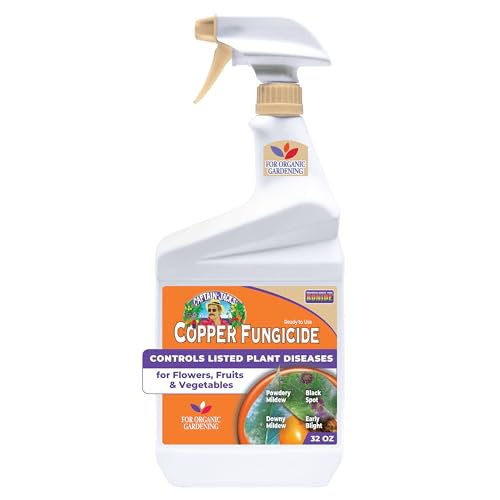
2 Apply a copper-based fungicide to the remaining healthy tissue to help control the spread of bacterial pathogens.
3 Ensure proper drainage and avoid overhead watering to reduce the moisture levels that facilitate bacterial movement.
warning

Nitrogen Deficiency

Nitrogen is essential for the chlorophyll production and structural integrity of leafy Brassicas. A lack of nitrogen leads to chlorosis (yellowing) followed by a loss of leaf vigor and drooping.

Common
lightbulb
How to confirm: Observe if the older, lower leaves are turning pale yellow before the drooping occurs.
build How to fix it
shopping_cart Recommended Products
1 Apply a nitrogen-rich liquid fertilizer to provide immediate nutrient uptake and restore leaf vigor.
2 Supplement the soil with a nitrogen-heavy organic amendment like blood meal to ensure long-term nutrient availability.
3 Monitor soil moisture levels using a moisture meter to ensure the plant is not drooping due to dehydration instead of nutrient lack.

Other Brassica rapa problems

Your plant might also be experiencing one of these issues:

local_hospital All symptoms eco All plants with drooping leaves
favorite