Brassica rapa Tiny Black Flies
eco Tiny Black Flies

Brassica rapa – Tiny Black Flies

Why does your Brassica rapa have tiny black flies? Diagnose the cause and fix it with our step-by-step guide.

search Possible Causes

error

Fungus Gnats

The larvae of these flies live in the moist soil of Brassica crops, feeding on organic matter and fine root hairs. This can lead to stunted growth or yellowing in young Pak Choi seedlings due to root damage.

Very Common
lightbulb
How to confirm: Set a yellow sticky trap near the base of the plant to see if small, dark-bodied flies are captured.
build How to fix it
shopping_cart Recommended Products
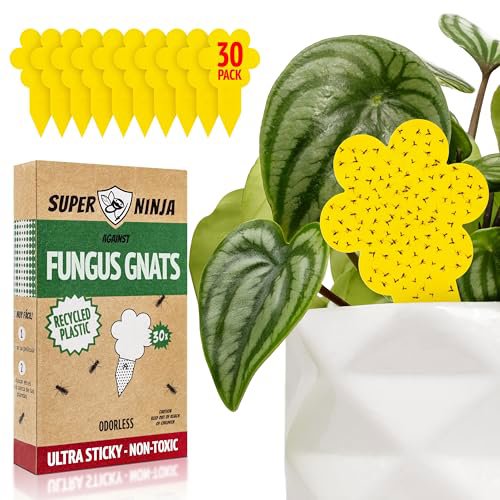
1 Deploy yellow sticky traps to capture the adult flying gnats and break the reproductive cycle.
2 Reduce watering frequency and allow the top inch of soil to dry out to eliminate the moist environment required for larvae survival.
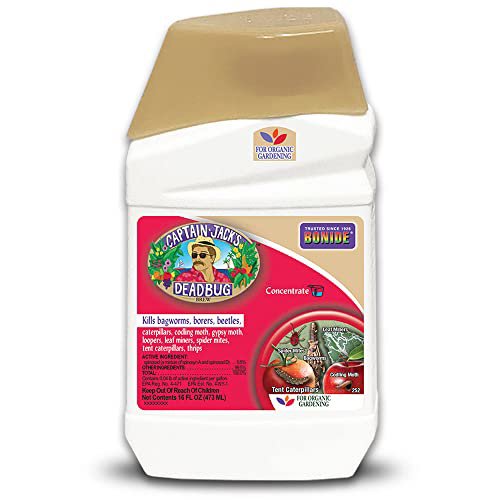
3 Apply a biological control or organic insecticide to target the larvae in the soil and protect the delicate root systems.
warning

Blackberry Fruit Fly (Drosophila species) / Fruit Flies

While typically attracted to decaying matter, these flies can be drawn to overripe or fermenting organic mulch around the base of your turnips. They do not directly attack the Brassica tissue but indicate a high moisture/decay environment.

Common
lightbulb
How to confirm: Check if there is rotting organic matter or overly damp compost sitting directly against the plant stem.
build How to fix it
shopping_cart Recommended Products
1 Remove any overripe, fermenting, or decaying organic mulch from the base of your plants to eliminate the breeding site for the flies.
2 Deploy yellow sticky traps near the base of the plants to capture adult flies and monitor the infestation level.
3 Reduce watering frequency and ensure the soil surface is not excessively damp to prevent the creation of a high-moisture decay environment.
warning

Leafminers (Agromyza spp.)

While not 'flies' in the flying sense, the adult flies lay eggs in the leaves, and the resulting larvae create serpentine tunnels. The presence of small flies often correlates with the emergence of these micro-lepidoptera or diptera pests.

Common
lightbulb
How to confirm: Inspect the underside of the Pak Choi leaves for winding, translucent 'tunnels' or trails.
build How to fix it
shopping_cart Recommended Products
1 Apply an organic insecticide spray to eliminate adult flies and protect healthy leaves from further egg-laying.
2 Use yellow sticky traps to capture the adult flies and monitor the population levels in your growing area.
3 Inspect leaves for serpentine tunnels and manually remove or prune any heavily infested foliage to prevent larvae from spreading.

Other Brassica rapa problems

Your plant might also be experiencing one of these issues:

local_hospital All symptoms eco All plants with tiny black flies
favorite