Calathea roseopicta Drooping Leaves
eco Drooping Leaves

Calathea roseopicta – Drooping Leaves

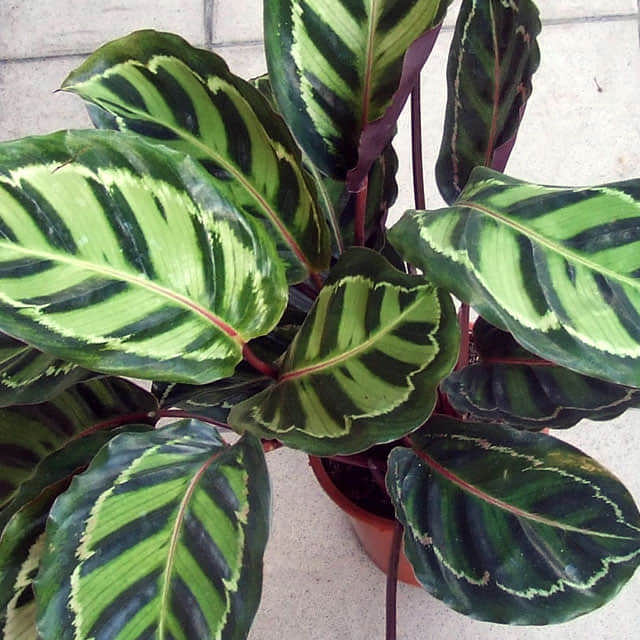
Why does your Calathea roseopicta have drooping leaves? Diagnose the cause and fix it with our step-by-step guide.

pets Pet Friendly

search Possible Causes

error

Underwatering and Low Humidity

Calatheas are tropical plants that require high moisture levels in both soil and air; dry soil or low humidity causes the cells to lose turgor pressure, leading to wilted leaves. This is often accompanied by crispy, brown edges on the foliage.

Very Common
lightbulb
How to confirm: Touch the top inch of soil to see if it is bone dry and check if your indoor humidity is below 50%.
build How to fix it
shopping_cart Recommended Products
1 Immediately check the soil moisture level using a meter to determine if the root zone is completely dry.
2 Thoroughly water the plant until water drains from the bottom, ensuring the soil is adequately rehydrated.
3 Increase ambient humidity by using a pebble tray or a fine misting spray bottle to prevent leaf edges from crisping.
error

Overwatering and Root Rot

Excessive water in the substrate deprives roots of oxygen, leading to fungal pathogens like Phytophthora that destroy root tissue. When roots rot, they can no longer transport water to the leaves, causing them to droop despite the soil being wet.

Very Common
lightbulb
How to confirm: Gently lift the plant from its pot to check if the roots are dark brown and slimy rather than firm and white.
build How to fix it
shopping_cart Recommended Products
1 Immediately remove the plant from its current pot and trim away any mushy, black, or foul-smelling roots using sterilized shears.
2 Repot the Calathea in a fresh, well-draining medium enriched with perlite to improve aeration and prevent future oxygen deprivation.
3 Use a moisture meter to monitor the substrate, ensuring you only water when the top inch of soil is dry to avoid repeat overwatering.
warning

Temperature Shock or Cold Drafts

As a tropical species, Calathea roseopicta is highly sensitive to sudden temperature drops. Exposure to air conditioning vents or cold windows can cause the plant's metabolic processes to slow down and foliage to sag.

Common
lightbulb
How to confirm: Check if the plant is positioned near an open window or directly in the path of an AC vent.
build How to fix it
shopping_cart Recommended Products
1 Immediately move your Calathea away from cold drafts, air conditioning vents, or drafty windows to a stable, warm environment.
2 Increase local humidity around the plant to help it recover from the stress of the temperature shift.
3 Monitor the soil moisture closely to ensure the plant isn't also suffering from overwatering during its period of slowed metabolism.
warning

Salt Accumulation from Tap Water

Calatheas are sensitive to fluoride, chlorine, and mineral salts found in many municipal water supplies. These minerals build up in the leaf tissue, damaging the plant's ability to regulate water, resulting in drooping and necrotic spots.

Common
lightbulb
How to confirm: Observe if there are brown, crunchy margins on the leaves in addition to the drooping symptom.
build How to fix it
shopping_cart Recommended Products
1 Flush the soil thoroughly with distilled or rainwater to leach out accumulated mineral salts and fluoride.
2 Repot the plant in fresh, high-quality potting mix to provide a clean environment free of existing salt buildup.
3 Use a moisture meter to ensure you are not overwatering during the flushing process, as excess moisture can exacerbate root stress.

Other Calathea roseopicta problems

Your plant might also be experiencing one of these issues:

local_hospital All symptoms eco All plants with drooping leaves
favorite