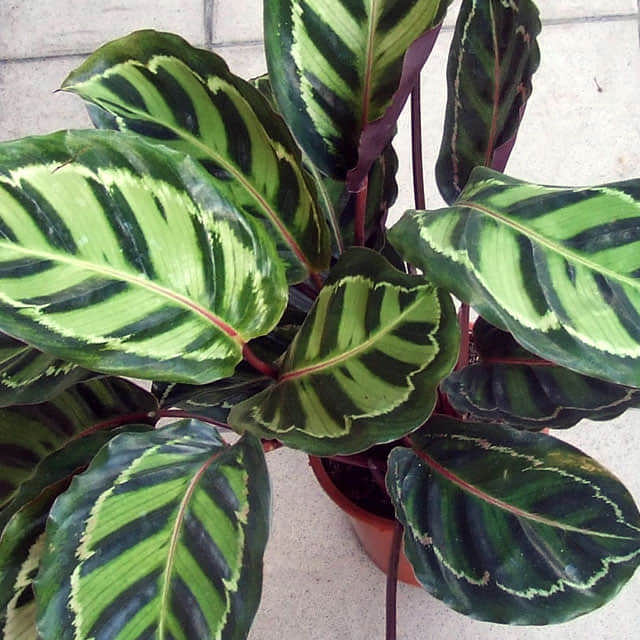
Calathea roseopicta Yellow Leaves
eco Yellow Leaves

Calathea roseopicta – Yellow Leaves

Why does your Calathea roseopicta have yellow leaves? Diagnose the cause and fix it with our step-by-step guide.

pets Pet Friendly

search Possible Causes

error

Improper Watering/Overwatering

Calathea roseopicta is highly sensitive to moisture levels; consistent soil saturation leads to root hypoxia and subsequent leaf yellowing. This often presents as a general loss of color across the foliage.

Very Common
lightbulb
How to confirm: Stick your finger two inches into the soil to check if it feels soggy or if there is a musty odor.
build How to fix it
shopping_cart Recommended Products
1 Immediately check the soil moisture level using a moisture meter to confirm if the root zone is saturated.
2 Allow the soil to dry out significantly before the next watering and ensure the pot has excellent drainage to prevent water from pooling at the roots.
3 If the soil remains soggy, repot the plant in a well-draining medium enriched with perlite to improve aeration and prevent root rot.
error

Low Humidity

As tropical plants, Calatheas require high humidity levels; dry air causes moisture to evaporate too quickly from the leaves, leading to chlorosis and crispy edges. This is often accompanied by browning margins.

Very Common
lightbulb
How to confirm: Check if the leaf edges are also turning brown and brittle alongside the yellowing.
build How to fix it
shopping_cart Recommended Products
1 Increase local humidity by placing the plant on a pebble tray filled with water or using a fine mist spray bottle.
2 Group your Calathea with other tropical plants to create a more humid microclimate through transpiration.
3 Monitor soil moisture levels to ensure the plant remains hydrated without becoming waterlogged, as dry air can also lead to rapid soil evaporation.
warning

Salt or Mineral Accumulation

Calathea roseopicta is extremely sensitive to fluoride, chlorine, and salts found in tap water. The buildup of these minerals interferes with chlorophyll production, causing yellowing patterns.

Common
lightbulb
How to confirm: Observe if the yellowing is accompanied by white, crusty deposits on the soil surface or leaf tips.
build How to fix it
shopping_cart Recommended Products
1 Flush the soil thoroughly with distilled, rain, or filtered water to leach out accumulated salts and minerals from the root zone.
2 Repot the plant in fresh, high-quality potting soil to provide a clean environment free of existing mineral buildup.
3 Monitor soil moisture levels closely using a moisture meter to ensure you are not overwatering, which can exacerbate mineral toxicity.
warning

Nutrient Deficiency (Nitrogen/Magnesium)

A lack of essential macronutrients can cause older leaves to lose their vibrant green and pink pigments, turning yellow. This happens when the plant cannot sustain its metabolic processes in depleted soil.

Common
lightbulb
How to confirm: Inspect if the yellowing is starting specifically on the oldest, bottom-most leaves first.
build How to fix it
shopping_cart Recommended Products
1 Apply a balanced liquid fertilizer to replenish essential nitrogen and magnesium levels in the soil.
2 Supplement with a magnesium-specific fertilizer to strengthen cell walls and restore leaf pigmentation.
3 Check the soil moisture levels with a meter to ensure the deficiency isn't being masked by overwatering.

Other Calathea roseopicta problems

Your plant might also be experiencing one of these issues:

local_hospital All symptoms eco All plants with yellow leaves
favorite