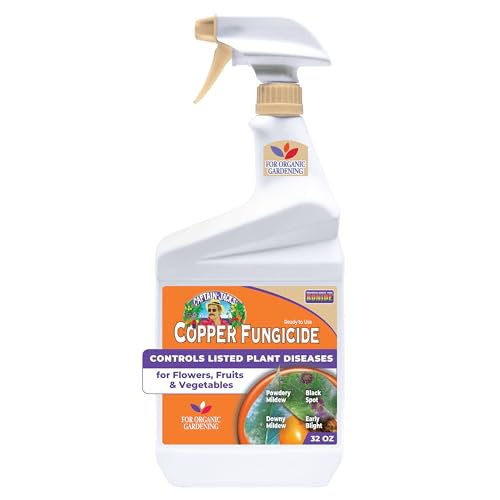
Why does your Rhododendron atlanticum have fine webbing? Diagnose the cause and fix it with our step-by-step guide.
The presence of fine webbing is a classic sign of spider mite infestation, where tiny arachnids spin silk to protect themselves and their eggs. In Atlantic Azaleas, these mites thrive in hot, dry conditions and feed on the undersides of leaves, causing stippling.
Certain lepidopteran larvae create silken webs or 'rolls' to construct a protective shelter while feeding on the tender foliage of Rhododendrons. The webbing acts as a structural component for their retreat and can be quite visible among the leaves.
In extremely humid environments, certain fungal species can produce visible mycelial networks that may appear as fine, hair-like webbing across leaf surfaces. This is often accompanied by darkened spots or soft rot on the Atlantic Azalea's foliage.
Your plant might also be experiencing one of these issues:

 English
 Italiano