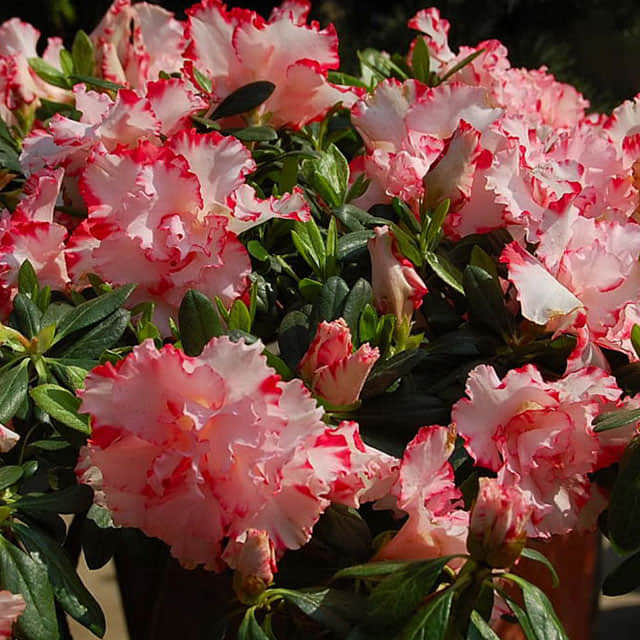
Rhododendron atlanticum Sudden Leaf Drop
eco Sudden Leaf Drop

Rhododendron atlanticum – Sudden Leaf Drop

Why does your Rhododendron atlanticum have sudden leaf drop? Diagnose the cause and fix it with our step-by-step guide.

search Possible Causes

error

Environmental Stress (Temperature or Drought Shock)

Atlantic Azaleas are sensitive to rapid changes in moisture and temperature. Sudden leaf drop is a common physiological response when the plant attempts to conserve water during periods of extreme heat or sudden drought.

Very Common
lightbulb
How to confirm: Check if there has been a recent heatwave or a period where the soil felt bone-dry to the touch.
build How to fix it
shopping_cart Recommended Products
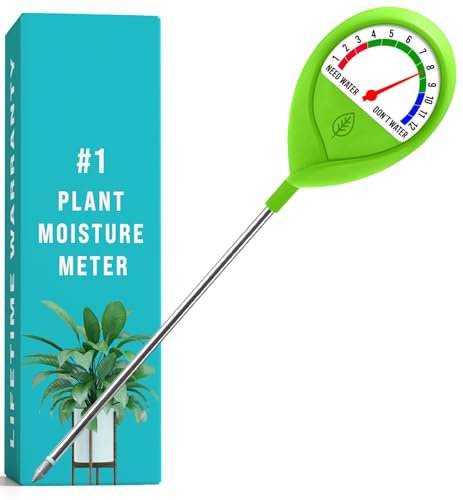
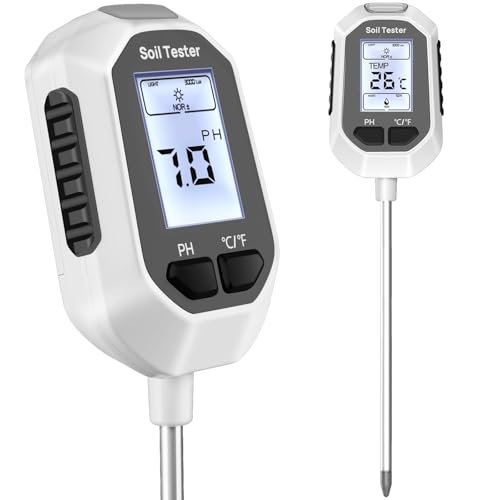
1 Stabilize soil moisture by checking the depth of the root zone; use a moisture meter to ensure the soil remains consistently damp but not waterlogged.
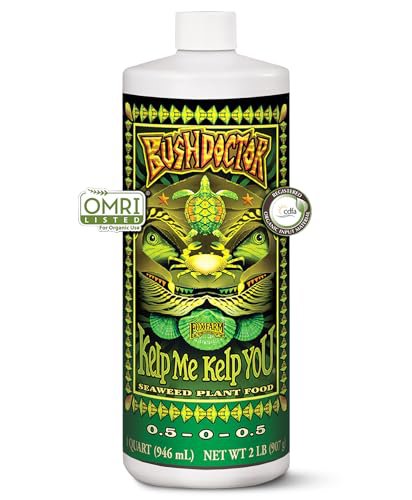
2 Apply a liquid seaweed fertilizer to help the plant recover from physiological stress and boost nutrient uptake.
3 Mulch the base of the plant with organic matter to insulate the roots against temperature fluctuations and reduce evaporation.
error

Root Rot (Phytophthora species)

Excessive moisture or poorly draining soil can trigger Phytophthora root rot, which disrupts the vascular system of the Rhododendron. This prevents water transport to the leaves, causing them to wither and drop abruptly.

Very Common
lightbulb
How to confirm: Gently lift a small amount of soil to check if the roots appear dark, slimy, or have a foul odor.
build How to fix it
shopping_cart Recommended Products
1 Immediately inspect the root system for mushy, dark brown, or foul-smelling roots and prune away any decayed sections using sterilized tools.
2 Repot the plant in a highly aerated, well-draining medium specifically designed for acid-loving plants to prevent further moisture retention.
3 Ensure the new container has excellent drainage and use a moisture meter to monitor soil levels, preventing the soil from remaining saturated.
warning

Improper Soil pH

Rhododendrons require acidic soil (pH 4.5-6.0) to thrive; if the soil becomes too alkaline, iron chlorosis occurs. Severe nutrient lockout from incorrect pH levels can lead to systemic weakness and premature leaf abscission.

Common
lightbulb
How to confirm: Use a soil test kit to verify that your garden soil is within the acidic range required for Azaleas.
build How to fix it
shopping_cart Recommended Products
1 Test your soil pH immediately to confirm if levels have risen above the required 4.5-6.0 range.
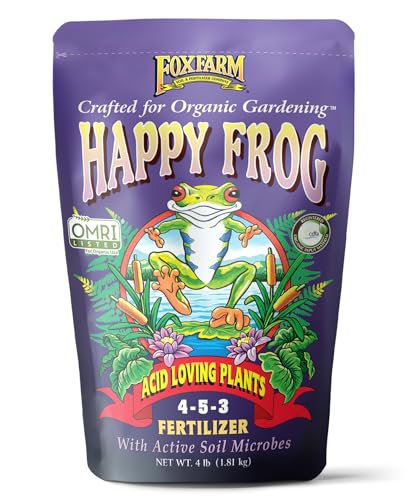
2 Apply an acid-loving plant fertilizer to help lower the pH and provide necessary nutrients like iron and manganese.
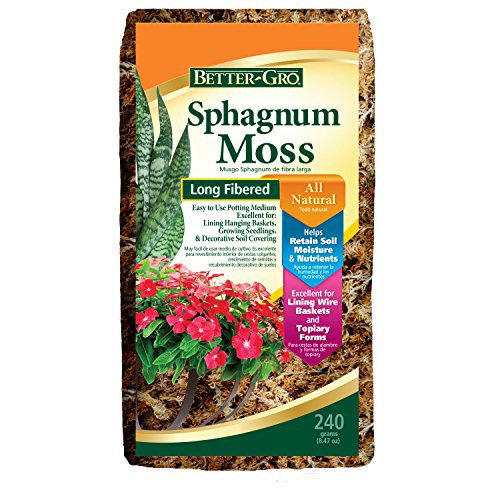
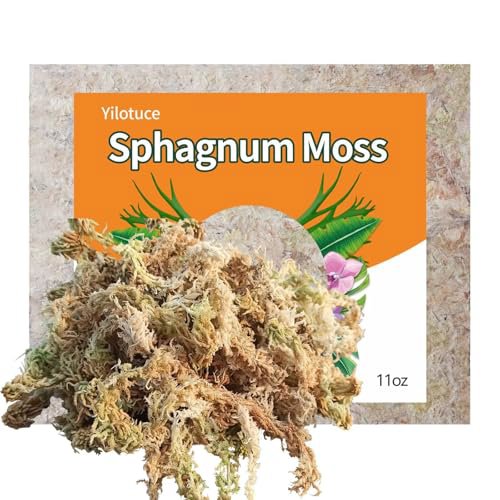
3 Amend the soil with organic matter or acidifying substrates like sphagnum moss to help maintain a low pH environment.
warning

Hydranchry/Water Stress (Fluctuating Moisture)

Inconsistent watering cycles—alternating between saturated soil and extreme dryness—stress the Atlantic Azalea's fine feeder roots. This instability forces the plant to shed foliage to reduce transpiration.

Common
lightbulb
How to confirm: Observe if your watering schedule has been inconsistent or if there are significant gaps between waterings.
build How to fix it
shopping_cart Recommended Products
1 Stabilize the watering schedule by ensuring the soil remains consistently moist but never waterlogged, avoiding the cycle of extreme drought and saturation.
2 Apply a specialized fertilizer for acid-loving plants to help the root system recover from moisture-induced stress.
3 Mulch the base of the plant with organic matter to help regulate soil temperature and retain consistent moisture levels.

Other Rhododendron atlanticum problems

Your plant might also be experiencing one of these issues:

local_hospital All symptoms eco All plants with sudden leaf drop
favorite