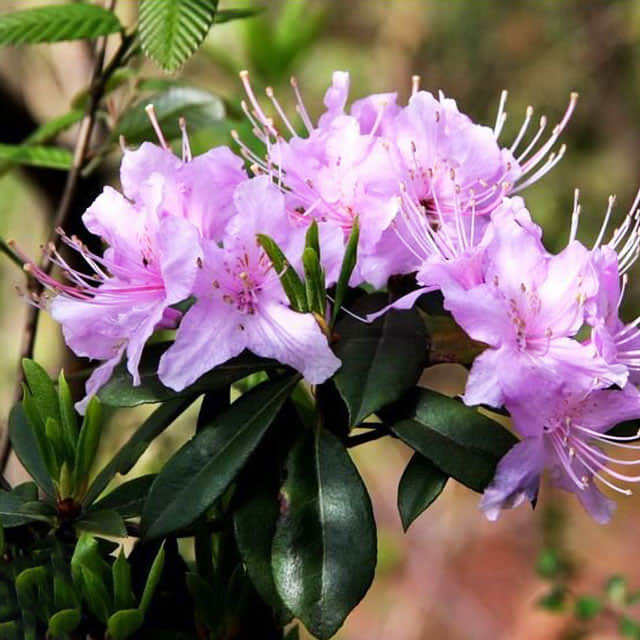
Rhododendron concinnum Brown Leaf Tips
eco Brown Leaf Tips

Rhododendron concinnum – Brown Leaf Tips

Why does your Rhododendron concinnum have brown leaf tips? Diagnose the cause and fix it with our step-by-step guide.

search Possible Causes

error

Salt/Fertilizer Accumulation

Rhododendrons are sensitive to high levels of soluble salts. When fertilizers or hard water minerals accumulate in the substrate, they create osmotic stress that draws moisture out of the leaf margins, causing tip burn.

Very Common
lightbulb
How to confirm: Check if you have been using high-phosphorus fertilizers or if your tap water is particularly hard/alkaline.
build How to fix it
shopping_cart Recommended Products
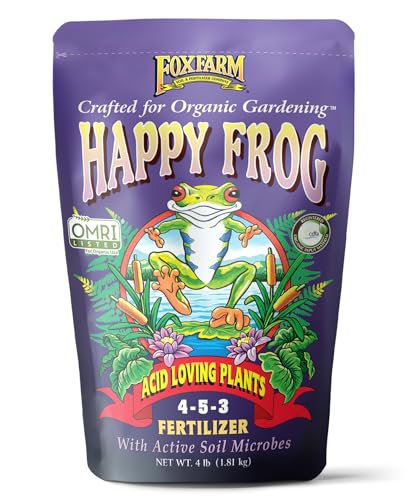
1 Flush the soil thoroughly with large amounts of distilled or rainwater to leach out accumulated mineral salts and fertilizers.
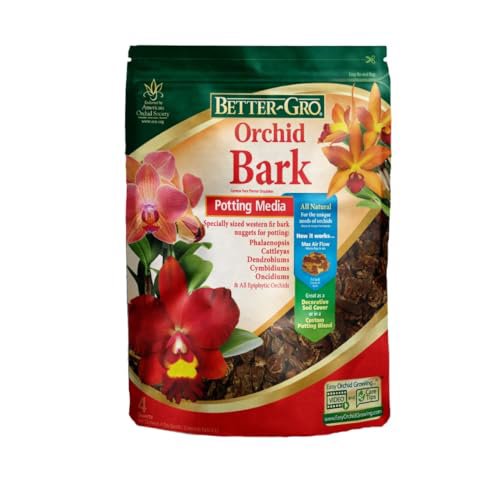
2 Repot the plant in fresh, acid-loving substrate to provide a clean environment free of salt buildup.
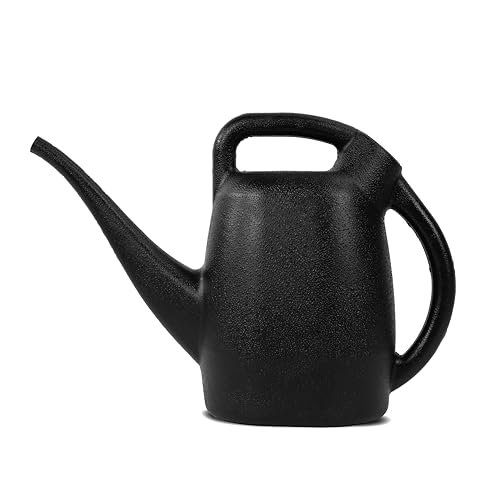
3 Use a moisture meter to ensure you are not overwatering, which can exacerbate nutrient leaching and root stress.
error

Drought Stress (Low Soil Moisture)

As an acid-loving plant with shallow root systems, Rhododendron concinnum cannot tolerate significant drying of the substrate. When moisture is depleted, the plant sacrifices leaf margins to preserve the core hydration.

Very Common
lightbulb
How to confirm: Stick your finger one inch into the soil to see if it feels dry or significantly lighter than usual.
build How to fix it
shopping_cart Recommended Products
1 Immediately check the soil moisture level using a probe to confirm the depth of the drought stress.
2 Apply a deep, thorough watering to the substrate, ensuring the moisture reaches the shallow root system.
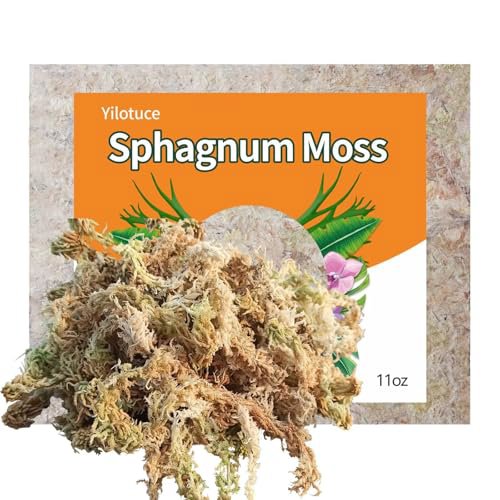
3 To prevent future drought, amend the soil with organic matter or use a moisture-retaining substrate like sphagnum moss.
warning

Root Rot (Phytophthora)

Excessive moisture in poorly draining soil leads to fungal pathogens attacking the root system. When roots die, they can no longer transport water to the tips of the leaves, resulting in necrotic brown edges.

Common
lightbulb
How to confirm: Gently lift the plant from its pot to see if the roots are dark, slimy, or emit a foul odor.
build How to fix it
shopping_cart Recommended Products
1 Immediately reduce watering frequency and ensure the plant is in a well-draining medium to stop the spread of Phytophthora.
2 Repot the plant into a fresh, airy substrate enriched with perlite to improve aeration and prevent future waterlogging.
3 Apply a fungicide treatment to protect the remaining healthy tissue from fungal pathogens.
warning

Wind Desiccation

Strong, drying winds can increase the transpiration rate beyond the root system's ability to supply water. This is particularly common in compact varieties if they are placed in drafty or exposed locations.

Common
lightbulb
How to confirm: Observe if the browning is more severe on the side of the plant facing the prevailing wind direction.
build How to fix it
shopping_cart Recommended Products
1 Relocate the plant to a sheltered area or use a windbreak to reduce the drying effects of drafts and strong winds.
2 Increase local humidity around the foliage by using a fine mist spray to counteract transpiration loss.
3 Monitor soil moisture levels closely to ensure the root system can keep up with increased water demand during windy periods.

Other Rhododendron concinnum problems

Your plant might also be experiencing one of these issues:

local_hospital All symptoms eco All plants with brown leaf tips
favorite