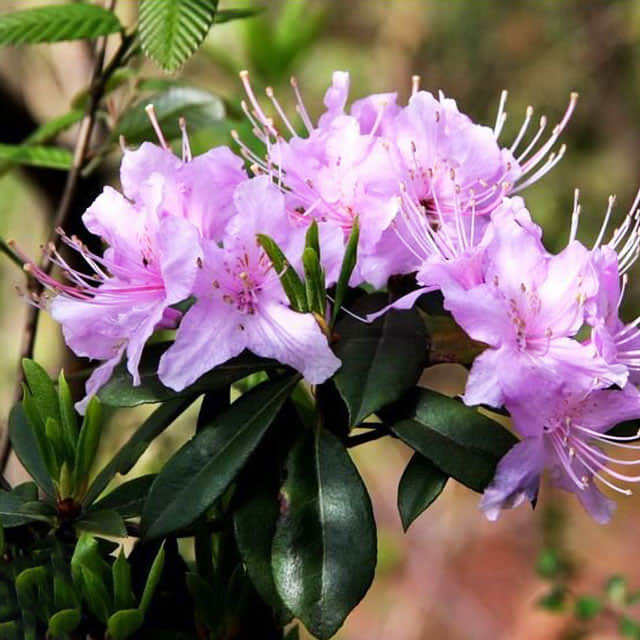
Why does your Rhododendron concinnum have yellow leaves? Diagnose the cause and fix it with our step-by-step guide.
Rhododendrons are acid-loving plants; if the soil pH rises above 5.5, iron becomes chemically unavailable to the plant. This results in interveinal chlorosis, where leaves turn yellow while veins remain dark green.
Excessive moisture in the substrate displaces oxygen, leading to anaerobic conditions that damage the sensitive root system of R. concinnum. This prevents the plant from transporting nutrients, causing overall leaf yellowing.
A lack of available nitrogen prevents the formation of chlorophyll, causing older leaves to turn a pale yellow. This often occurs in containers where nutrients have been leached out by frequent irrigation.
This fungal pathogen thrives in wet, poorly drained soils common to compact Rhododendron varieties. It destroys the root cortex, leading to systemic yellowing and eventual wilting of the foliage.
Your plant might also be experiencing one of these issues:

 English
 Italiano