Rhododendron concinnum Drooping Leaves
eco Drooping Leaves

Rhododendron concinnum – Drooping Leaves

Why does your Rhododendron concinnum have drooping leaves? Diagnose the cause and fix it with our step-by-step guide.

search Possible Causes

error

Root Rot (Phytophthora)

As an acid-loving evergreen, Rhododendron concinnum is highly susceptible to fungal pathogens in poorly draining soil. Excessive moisture suffocates the fine feeder roots, leading to a loss of turgor pressure and drooping.

Very Common
lightbulb
How to confirm: Gently lift the edge of the root ball to check if the roots are dark brown or slimy instead of firm and white.
build How to fix it
shopping_cart Recommended Products
1 Immediately reduce watering frequency and ensure the plant is in a well-draining environment to stop further root suffocation.
2 Repot the plant in a fresh, highly aerated, acid-loving medium, incorporating perlite or orchid bark to improve drainage and prevent future rot.
3 Apply a fungicide treatment to combat the Phytophthora pathogen and protect the remaining healthy root tissue.
error

Water Stress (Drought)

Compact Rhododendrons have relatively shallow root systems that dry out quickly in heat. If the substrate dries completely, the leaves will wilt to conserve moisture.

Very Common
lightbulb
How to confirm: Insert your finger two inches into the soil; if it feels bone-dry, the plant requires immediate deep watering.
build How to fix it
shopping_cart Recommended Products
1 Immediately check the soil moisture level at the root zone to confirm the depth of dehydration.
2 Deeply water the plant until water drains from the bottom of the pot, ensuring the shallow root system is fully saturated.
3 Apply a layer of organic mulch or sphagnum moss around the base to help retain moisture and prevent future drought stress.
warning

Root Bound/Container Restriction

Because this species is often grown in compact containers, roots can become circling and compressed. This prevents the plant from absorbing enough water to support its foliage, causing drooping during peak sunlight.

Common
lightbulb
How to confirm: Check if there are roots emerging from the drainage holes at the bottom of the pot.
build How to fix it
shopping_cart Recommended Products
1 Repot the Rhododendron into a larger container to provide space for root expansion and prevent further circling.
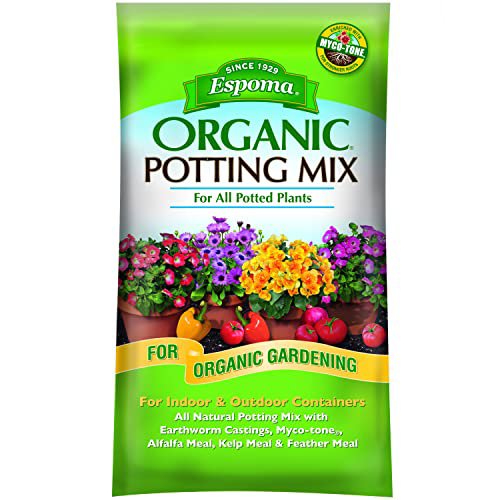
2 Use a high-quality, acidic potting medium to support the plant's specific needs and improve water uptake.
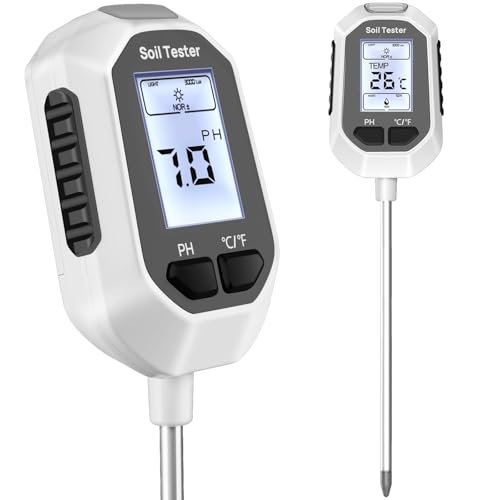
3 Monitor the soil moisture levels closely using a moisture meter to ensure the plant is not drying out due to the restricted root zone.
warning

Nutrient Deficiency (Iron Chlorosis)

Rhododendrons require acidic soil to uptake iron; if the pH rises, the plant cannot transport nutrients properly. While often characterized by yellowing, severe deficiency can weaken the vascular system and cause drooping.

Common
lightbulb
How to confirm: Observe if the leaf veins remain green while the rest of the leaf tissue turns pale yellow.
build How to fix it
shopping_cart Recommended Products
1 Apply an acid-loving fertilizer to lower the soil pH and provide necessary nutrients for Rhododendrons.
2 Check the soil pH levels to ensure the environment remains acidic enough for iron uptake.
3 Ensure the plant is in well-draining soil to prevent root rot, which can also cause drooping.

Other Rhododendron concinnum problems

Your plant might also be experiencing one of these issues:

local_hospital All symptoms eco All plants with drooping leaves
favorite