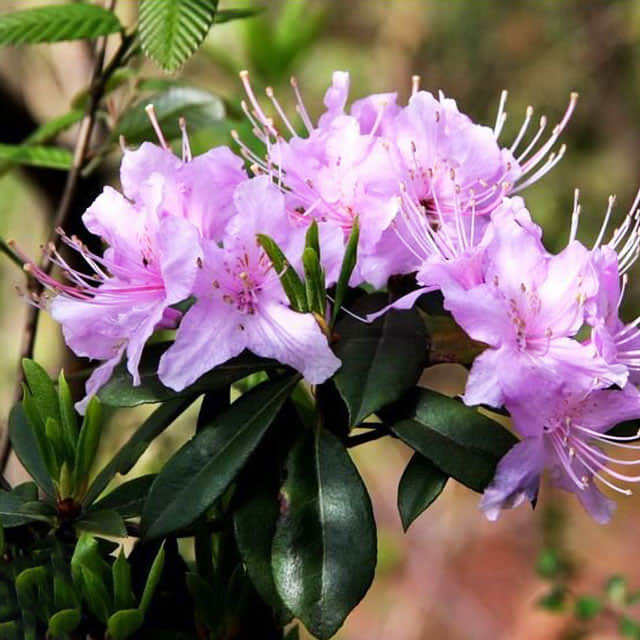
Rhododendron concinnum Sudden Leaf Drop
eco Sudden Leaf Drop

Rhododendron concinnum – Sudden Leaf Drop

Why does your Rhododendron concinnum have sudden leaf drop? Diagnose the cause and fix it with our step-by-step guide.

search Possible Causes

error

Root Rot (Phytophthora)

Excessive moisture in the soil prevents oxygen from reaching the roots, leading to fungal pathogens that destroy the root system of this compact species. As the roots die, they can no longer support the foliage, causing a sudden release of leaves.

Very Common
lightbulb
How to confirm: Check if the soil feels soggy or stays wet for long periods and inspect the roots for any brown, slimy texture.
build How to fix it
shopping_cart Recommended Products
1 Immediately inspect the roots for mushy, dark brown decay and prune away any dead or rotting sections using sterilized tools.
2 Repot the plant in a highly aerated, well-draining medium specifically designed for acid-loving plants to restore oxygen to the root zone.
3 Apply a fungicide treatment to combat the Phytophthora pathogen and ensure the new potting environment remains moist but not waterlogged.
error

Temperature Shock (Extreme Frost or Heat)

Rhododendron concinnum is sensitive to rapid environmental shifts. A sudden drop in temperature (frost) or an intense heatwave can trigger a physiological stress response, causing the plant to shed leaves to conserve moisture.

Very Common
lightbulb
How to confirm: Review recent weather history for sudden temperature fluctuations or unseasonable heat waves in your area.
build How to fix it
shopping_cart Recommended Products
1 Immediately move the plant to a stable, sheltered environment to protect it from further temperature fluctuations.
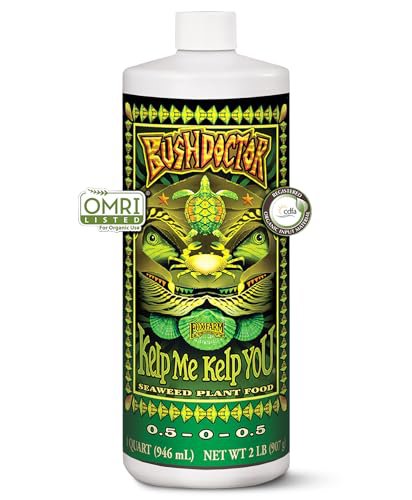
2 Apply a liquid seaweed fertilizer to help the plant recover from environmental stress and boost nutrient uptake.
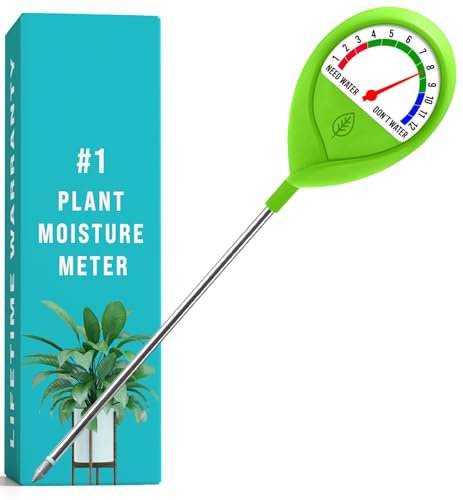
3 Monitor soil moisture closely using a moisture meter to ensure the roots remain hydrated but not waterlogged during recovery.
warning

Water Stress (Drought)

While they like moisture, compact rhododendrons cannot tolerate drying out completely. When the soil becomes bone-dry, the plant undergoes rapid transpiration loss and drops leaves to prevent total dehydration.

Common
lightbulb
How to confirm: Insert your finger two inches into the soil to see if it has become completely desiccated and hard.
build How to fix it
shopping_cart Recommended Products
1 Immediately check the soil moisture level at the root zone to confirm the extent of the drought.
2 Deeply water the plant to rehydrate the root ball, ensuring the water reaches the bottom of the pot.
3 Apply a specialized fertilizer for acid-loving plants to help the plant recover from the stress.
warning

Nutrient Deficiency (Nitrogen or Magnesium)

In highly acidic soils where nutrients are unavailable, the plant may undergo chlorosis before dropping leaves. A sudden lack of essential minerals can cause the plant to shed older foliage to redirect energy to new growth.

Common
lightbulb
How to confirm: Observe if the dropped leaves show signs of yellowing (interveinal chlorosis) before they fell.
build How to fix it
shopping_cart Recommended Products
1 Apply a specialized acid-loving fertilizer to restore essential nutrients and stabilize soil pH.
2 Supplement with a magnesium-rich fertilizer to address potential magnesium deficiency and prevent further chlorosis.
3 Monitor soil moisture levels closely to ensure the roots are not experiencing stress from overwatering or drought.

Other Rhododendron concinnum problems

Your plant might also be experiencing one of these issues:

local_hospital All symptoms eco All plants with sudden leaf drop
favorite