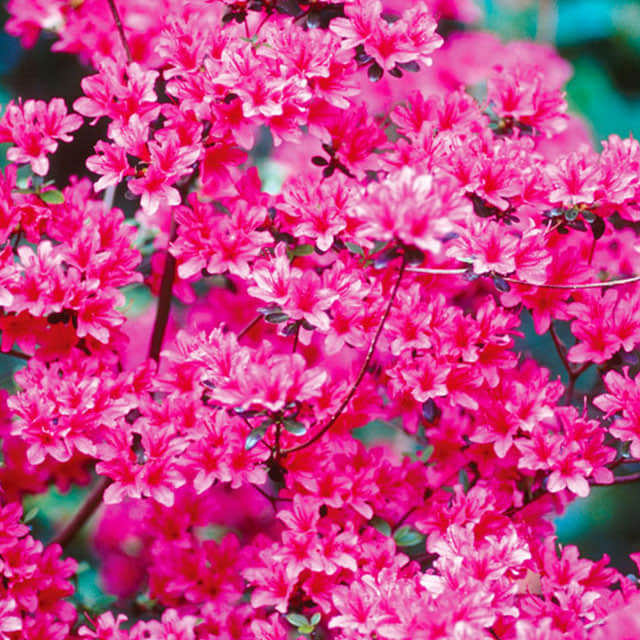
Why does your Rhododendron japonicum have brown leaf tips? Diagnose the cause and fix it with our step-by-step guide.
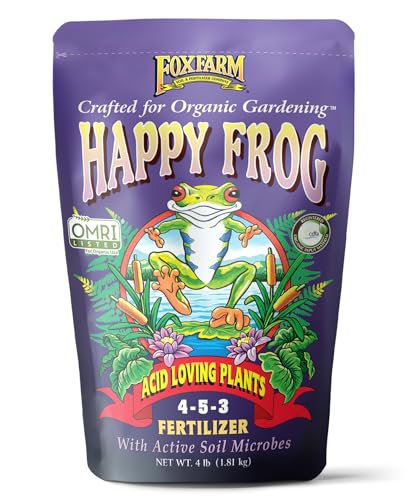
Accumulation of mineral salts from tap water or excessive synthetic fertilizers causes osmotic stress, drawing moisture out of the leaf margins. This is particularly common in Japanese Azaleas as they are highly sensitive to chloride and sodium levels.
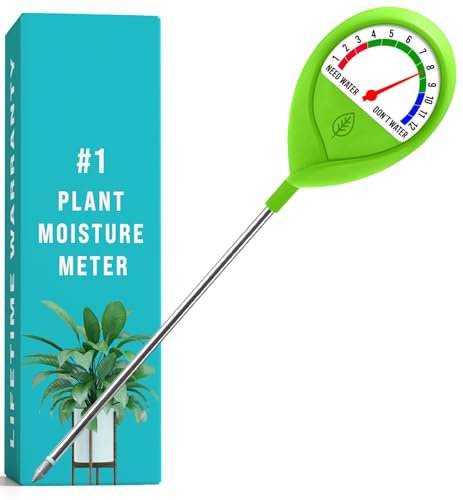
Rhododendron japonicum requires consistently moist but well-draining soil; when the root ball dries out completely, the plant cannot transport water to the furthest extremities, leading to necrotic tips.
As an understory species, this azalea thrives in higher humidity; dry indoor air or low ambient moisture can cause rapid transpiration at the leaf edges faster than the roots can compensate.
While brown tips often suggest dryness, overly saturated soil can lead to fungal root rot, which destroys the root hairs' ability to absorb water, effectively causing 'physiological drought'.
Your plant might also be experiencing one of these issues:

 English
 Italiano