Rhododendron japonicum Tiny Black Flies
eco Tiny Black Flies

Rhododendron japonicum – Tiny Black Flies

Why does your Rhododendron japonicum have tiny black flies? Diagnose the cause and fix it with our step-by-step guide.

search Possible Causes

error

Fungus Gnats (Sciaridae)

The presence of tiny black flies in the soil of a Japanese Azalea is most commonly due to fungus gnats, whose larvae feed on organic matter and fine feeder roots. High moisture levels in the azalea's peat-based potting mix provide the ideal breeding ground for their lifecycle.

Very Common
lightbulb
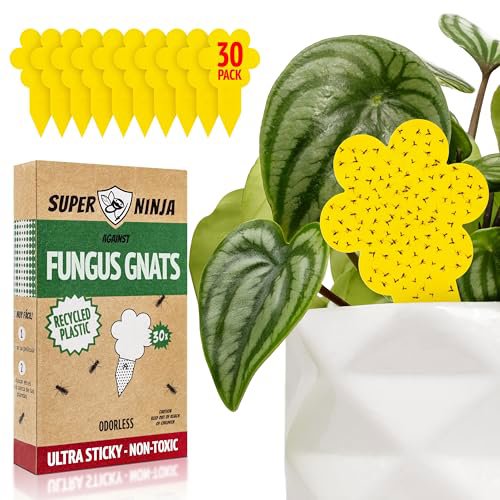
How to confirm: Place a yellow sticky trap near the soil surface to confirm if small, dark-bodied flies are being captured.
build How to fix it
shopping_cart Recommended Products
1 Reduce watering frequency and allow the top inch of soil to dry out completely to disrupt the larvae's moist breeding environment.
2 Deploy yellow sticky traps near the soil surface to capture adult flies and prevent further egg-laying.
3 Apply a biological control or organic insecticide to target the larvae and adults within the soil and plant foliage.
error

Overwatering and Soil Aeration Issues

While not the fly itself, chronically wet soil promotes the growth of fungi that attract gnats and can lead to root rot in Rhododendron japonicum. Azaleas require well-draining, acidic soil; stagnant moisture creates the microclimate necessary for insect proliferation.

Very Common
lightbulb
How to confirm: Insert your finger two inches into the soil to check if it remains saturated long after a watering session.
build How to fix it
shopping_cart Recommended Products
1 Reduce watering frequency and allow the top inch of soil to dry out completely before watering again to eliminate the moist microclimate attracting flies.
2 Repot the plant in a well-draining, acidic medium enriched with perlite to improve soil aeration and prevent root rot.
3 Apply yellow sticky traps near the soil surface to capture and reduce the adult population of fungus gnats.
warning

Black Vine Weevil (Larval Stage)

While adult black vine weevils are larger, their presence is often associated with the same moist conditions as gnats. Their larvae can cause significant damage to the root systems of Rhododendrons, leading to plant decline alongside visible insect activity.

Common
lightbulb
How to confirm: Gently lift the plant from its pot to inspect the roots for any signs of large, C-shaped white grubs.
build How to fix it
shopping_cart Recommended Products
1 Apply an organic insecticide to target the adult flies and prevent further egg-laying near the soil surface.
2 Monitor soil moisture levels closely to ensure the environment is not excessively damp, which attracts these pests.
3 Inspect the root zone for larvae and consider amending the soil with organic matter to improve drainage and soil health.

Other Rhododendron japonicum problems

Your plant might also be experiencing one of these issues:

local_hospital All symptoms eco All plants with tiny black flies
favorite