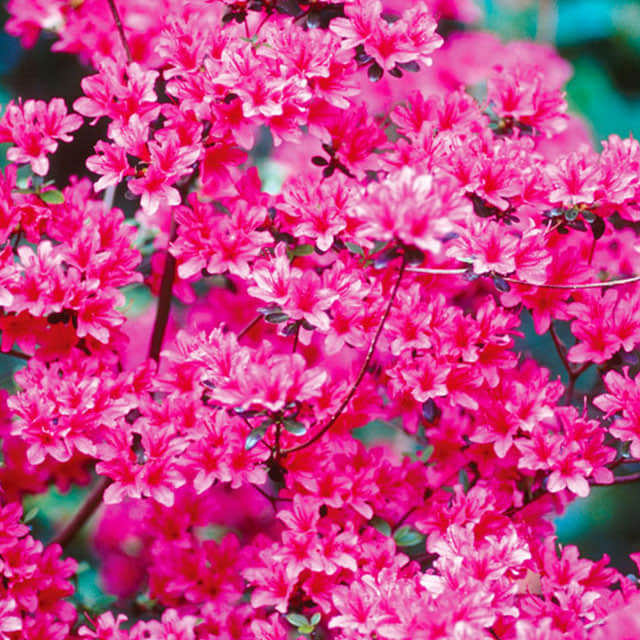
Rhododendron japonicum White Powder
eco White Powder

Rhododendron japonicum – White Powder

Why does your Rhododendron japonicum have white powder? Diagnose the cause and fix it with our step-by-step guide.

search Possible Causes

error

Powdery Mildew

A fungal disease caused by pathogens like Erysiphe species that thrives in high humidity and poor air circulation. It creates a visible white, flour-like coating on the surface of the leaves, which can eventually lead to leaf yellowing and premature drop.

Very Common
lightbulb
How to confirm: Inspect the undersides of leaves and check if the white patches appear more prominently in shaded, damp areas of the plant.
build How to fix it
shopping_cart Recommended Products
1 Apply an organic fungicide to the affected leaves to eliminate the powdery mildew fungus and prevent further spread.
2 Improve air circulation around the plant and prune away heavily infected leaves to reduce humidity levels around the foliage.
3 Ensure the plant is in a well-draining environment and avoid overhead watering, which can contribute to fungal growth.
warning

Mealybugs

These small sap-sucking insects produce a white, waxy, cottony secretion to protect themselves. They congregate in crevices like leaf axils and can cause the Rhododendron leaves to become distorted or stunted due to nutrient loss.

Common
lightbulb
How to confirm: Gently rub the white spots with a cotton swab soaked in alcohol to see if they dissolve or move.
build How to fix it
shopping_cart Recommended Products
1 Treat the plant with an organic insecticide spray to eliminate the mealybug population and remove the white waxy coating.
2 Inspect the leaf axils and crevices of the Rhododendron, manually removing visible insects with a cotton swab dipped in isopropyl alcohol.
3 Isolate the affected plant from your other greenery to prevent the mealybugs from spreading to healthy plants.
warning

Scale Insects (White Scale)

Certain species of scale insects develop a white, powdery, or waxy coating over their bodies. This can lead to 'honeydew' secretion, which may result in secondary growth of sooty mold on the azalea foliage.

Common
lightbulb
How to confirm: Check for small, hard bumps underneath the white substance and look for sticky residue on the leaf surface.
build How to fix it
shopping_cart Recommended Products
1 Apply an organic insecticide spray to the plant to eliminate the white scale insects and their protective waxy coating.
2 Thoroughly inspect the foliage and stems for any remaining pests, and wipe away visible white scales or honeydew residue with a damp cloth.
3 Ensure the plant is in a well-ventilated area to prevent the secondary growth of sooty mold caused by insect secretions.
warning

Mineral Deposits (Salt Buildup)

Hard water or excessive fertilizer use can leave white, crusty deposits on the leaf edges or surface. This is not a biological growth but rather accumulated calcium or magnesium from irrigation water.

Common
lightbulb
How to confirm: Check if the white spots are localized to the edges of leaves or if they wash away easily with clean distilled water.
build How to fix it
shopping_cart Recommended Products
1 Flush the soil thoroughly with distilled or rainwater to leach out accumulated mineral salts and prevent further buildup.
2 Gently wipe the leaves with a damp, soft cloth to remove existing crusty deposits and prevent leaf burn.
3 Switch to a balanced, acid-loving fertilizer and consider adding a calcium/magnesium supplement to stabilize nutrient uptake.

Other Rhododendron japonicum problems

Your plant might also be experiencing one of these issues:

local_hospital All symptoms eco All plants with white powder
favorite

