Rhododendron japonicum Sudden Leaf Drop
eco Sudden Leaf Drop

Rhododendron japonicum – Sudden Leaf Drop

Why does your Rhododendron japonicum have sudden leaf drop? Diagnose the cause and fix it with our step-by-step guide.

search Possible Causes

error

Root Rot (Phytophthora)

Excessive soil moisture or poor drainage creates anaerobic conditions that promote Phytophthora species, which attack the sensitive root systems of Japanese Azaleas. This leads to a sudden inability to transport water, causing leaves to wilt and drop unexpectedly.

Very Common
lightbulb
How to confirm: Gently lift the plant from the pot or check deep in the soil to see if roots are dark, slimy, or have a foul odor.
build How to fix it
shopping_cart Recommended Products
1 Immediately inspect the soil moisture and ensure the plant is not sitting in stagnant water; use a moisture meter to confirm the root zone is not waterlogged.
2 Repot the plant in a highly aerated, well-draining medium specifically designed for acid-loving plants to eliminate anaerobic conditions.
3 Prune away any mushy, blackened, or foul-smelling roots using sterilized tools to prevent the spread of the pathogen.
error

Environmental Stress (Temperature/Frost Shock)

Rhododendron japonicum is sensitive to sudden temperature fluctuations, particularly late spring frosts or extreme heatwaves. Rapid changes cause the plant to enter a defensive state, shedding leaves to conserve moisture and energy.

Very Common
lightbulb
How to confirm: Check if there was a recent significant drop in nighttime temperatures or an unseasonable heat spike in your area.
build How to fix it
shopping_cart Recommended Products
1 Move the plant to a sheltered location with stable temperatures to protect it from further frost or heat waves.
2 Apply a mulch layer around the base of the plant to insulate the root zone against temperature fluctuations.
3 Monitor soil moisture levels closely to ensure the plant remains hydrated without becoming waterlogged during its recovery phase.
error

Water Stress (Drought)

Azaleas have shallow, fibrous root systems that are highly susceptible to drying out completely. When the substrate stays dry for too long, the plant will shed leaves as a way to reduce transpiration surface area.

Very Common
lightbulb
How to confirm: Stick your finger two inches into the soil to check if it feels bone-dry and brittle.
build How to fix it
shopping_cart Recommended Products
1 Immediately check the soil moisture level at the root zone to confirm the extent of the drought.
2 Deeply water the plant to ensure the shallow, fibrous root system is fully saturated, being careful not to let the pot sit in standing water.
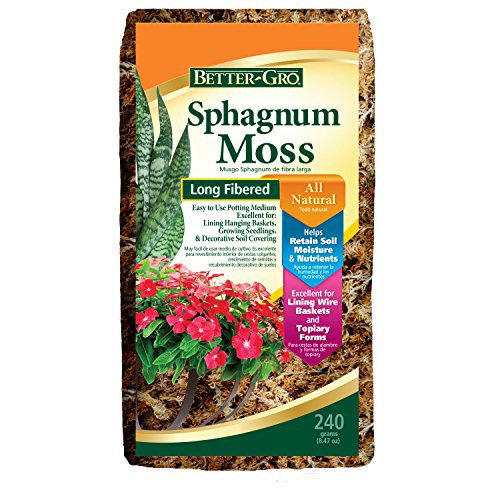
3 Apply a mulch layer or use a moisture-retaining substrate like sphagnum moss to help prevent future rapid drying of the shallow roots.
warning

Fungal Leaf Spot (Exobasidium)

Specific fungal pathogens can cause rapid defoliation when high humidity or wet foliage persists. While often characterized by spots, a severe outbreak can lead to premature leaf senescence and drop.

Common
lightbulb
How to confirm: Inspect the remaining leaves for small, dark necrotic spots or fuzzy fungal growth on the undersides.
build How to fix it
shopping_cart Recommended Products
1 Apply an organic fungicide to the affected foliage to stop the spread of the Exobasidium pathogen.
2 Prune and dispose of all fallen leaves and infected stems to remove the fungal source from the plant's environment.
3 Improve air circulation around the plant and avoid overhead watering to prevent wet foliage, which promotes fungal growth.

Other Rhododendron japonicum problems

Your plant might also be experiencing one of these issues:

local_hospital All symptoms eco All plants with sudden leaf drop
favorite