Rhododendron japonicum Yellow Leaves
eco Yellow Leaves

Rhododendron japonicum – Yellow Leaves

Why does your Rhododendron japonicum have yellow leaves? Diagnose the cause and fix it with our step-by-step guide.

search Possible Causes

error

Iron Chlorosis due to High Soil pH

Japanese Azaleas are acid-loving plants; if the soil pH rises above 5.5, they cannot uptake iron. This results in interveinal chlorosis where leaf veins remain green while the rest of the leaf turns yellow.

Very Common
lightbulb
How to confirm: Check if the yellowing is specifically between the green veins on newer leaves and test your soil pH level.
build How to fix it
shopping_cart Recommended Products
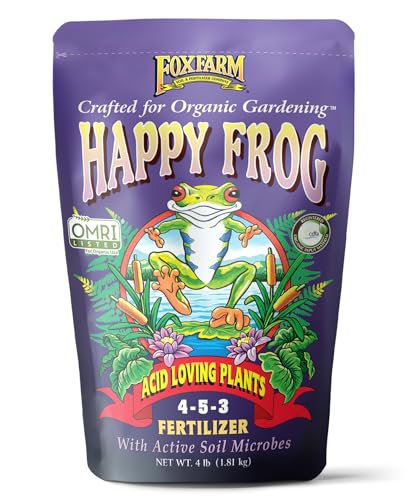
1 Apply an acidifying fertilizer specifically formulated for acid-loving plants to lower the soil pH and provide necessary nutrients.
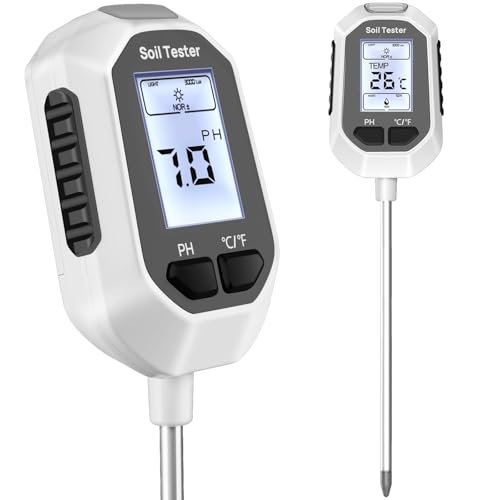
2 Check the soil pH regularly using a meter to ensure it remains in the ideal range of 4.5 to 5.5 for Rhododendrons.
3 Amend the soil with organic matter like peat moss or acidifying compost to help maintain a low pH environment.
error

Root Rot (Phytophthora)

Excessive moisture or poor drainage in the substrate leads to oxygen deprivation in the roots. This inhibits the plant's ability to transport nutrients, causing widespread yellowing and eventual leaf drop.

Very Common
lightbulb
How to confirm: Gently lift the plant from its pot or check the soil depth to see if the roots appear dark brown and slimy.
build How to fix it
shopping_cart Recommended Products
1 Immediately reduce watering frequency and ensure the plant is in a well-draining container to stop further oxygen deprivation.
2 Repot the plant in a highly aerated, acidic substrate specifically designed for acid-loving plants to promote root recovery.
3 Incorporate perlite into the new potting mix to enhance drainage and prevent future waterlogging.
warning

Nitrogen Deficiency

A lack of nitrogen in the growing medium prevents the synthesis of chlorophyll. In Rhododendron japonicum, this usually manifests as a uniform yellowing starting from the older, lower leaves.

Common
lightbulb
How to confirm: Observe if the yellowing is progressing from the bottom of the plant upwards and consider applying an acid-loving fertilizer.
build How to fix it
shopping_cart Recommended Products
1 Apply a nitrogen-rich organic fertilizer to the soil to restore chlorophyll production and green up the foliage.
2 Supplement the soil with organic worm castings to provide a slow-release source of nitrogen and beneficial microbes.
3 Ensure the plant is in acidic soil, as Rhododendrons require a low pH to effectively uptake nitrogen and other nutrients.
warning

Water Stress (Drought)

Azaleas have shallow root systems that are highly sensitive to drying out. Prolonged dry periods cause the foliage to lose turgor and turn yellow or crispy as the plant enters survival mode.

Common
lightbulb
How to confirm: Check the moisture level of the top two inches of soil and see if the leaves feel brittle to the touch.
build How to fix it
shopping_cart Recommended Products
1 Immediately check the soil moisture level at the root zone to confirm the extent of the drought stress.
2 Deeply water the plant to ensure the shallow root system is fully saturated, making sure the water reaches the bottom of the pot.
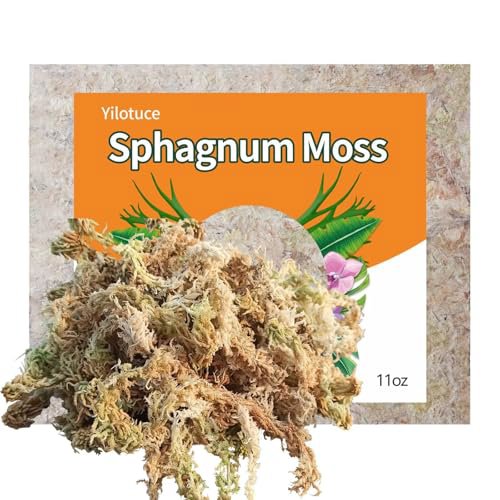
3 Apply a mulch layer or use a moisture-retaining substrate like sphagnum moss to help prevent future rapid drying.

Other Rhododendron japonicum problems

Your plant might also be experiencing one of these issues:

local_hospital All symptoms eco All plants with yellow leaves
favorite