Brassica oleracea acephala f.tricolor Leggy Stems
eco Leggy Stems

Brassica oleracea acephala f.tricolor – Leggy Stems

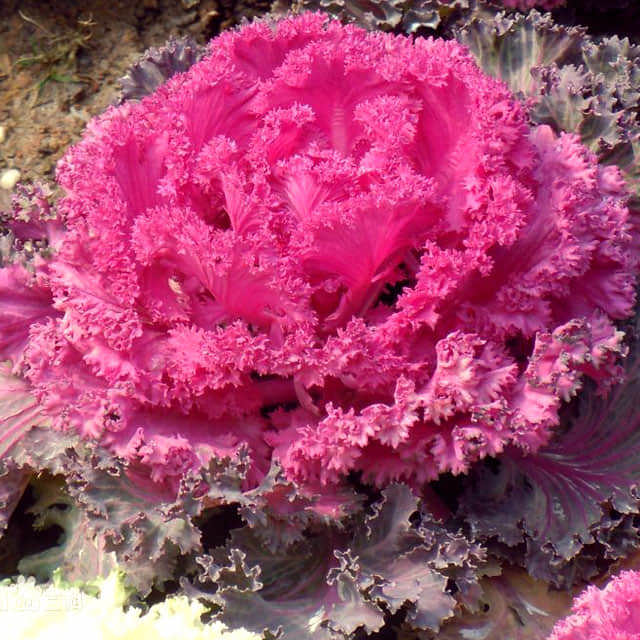
Why does your Brassica oleracea acephala f.tricolor have leggy stems? Diagnose the cause and fix it with our step-by-step guide.

pets Pet Friendly

search Possible Causes

error

Insufficient Light Intensity

Ornamental kale requires full sun to maintain compact, sturdy growth; low light levels trigger etiolation, causing the plant to stretch its stems toward the nearest light source.

Very Common
lightbulb
How to confirm: Observe if the internodes (space between leaves) are unusually long and if the plant is leaning towards a window or light source.
build How to fix it
shopping_cart Recommended Products
1 Move your ornamental kale to a location that receives at least 6 to 8 hours of direct sunlight daily to prevent further stretching.
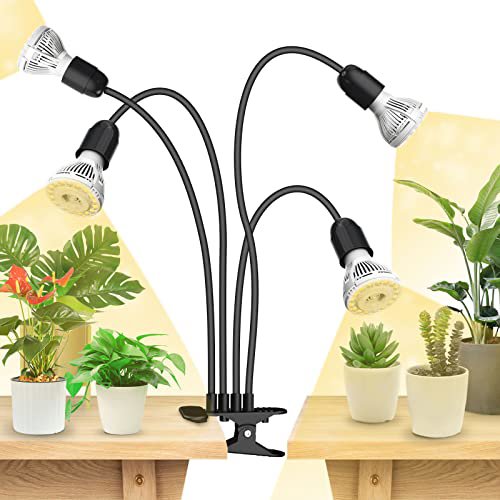
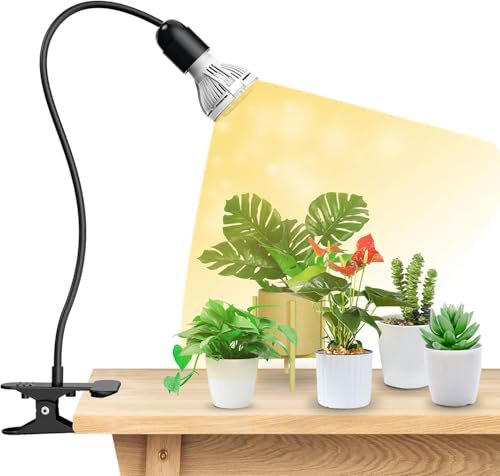
2 Supplement with a full-spectrum grow light to provide the necessary light intensity for compact, sturdy growth.
3 Prune away the most severely stretched or weak stems to allow the plant to redirect energy to healthier, more compact growth.
warning

Excessive Nitrogen Fertilization

High levels of nitrogen promote rapid, lush vegetative growth that lacks structural integrity, resulting in weak, spindly stems that cannot support the heavy leaf mass of Tricolor varieties.

Common
lightbulb
How to confirm: Check if you have recently applied a high-nitrogen fertilizer or 'balanced' liquid feed.
build How to fix it
shopping_cart Recommended Products
1 Flush the soil with plenty of fresh, room-temperature water to leach out excess nitrogen salts from the root zone.
2 Transition to a balanced or lower-nitrogen fertilizer to support structural strength, such as FoxFarm Grow Big, to help stabilize new growth.
3 Increase light exposure using a full-spectrum grow light to encourage sturdier, more compact stem development.
warning

High Ambient Temperatures

While ornamental kale loves the cold, warm nighttime temperatures can accelerate growth rates beyond the plant's ability to develop woody stem tissue, leading to leggy appearance.

Common
lightbulb
How to confirm: Monitor local nighttime temperatures to see if they have risen significantly above 65°F (18°C).
build How to fix it
shopping_cart Recommended Products
1 Relocate the plant to a cooler area or provide shade during the hottest parts of the day to slow growth and allow stem development.
2 Supplement with supplemental lighting to maintain a strong photoperiod and prevent stretching caused by heat-induced rapid growth.
3 Monitor soil moisture closely, as high temperatures can lead to rapid evaporation and heat stress.
warning

Overwatering and Poor Drainage

Constant moisture in the root zone can lead to oxygen deprivation, resulting in weak cell wall development and soft, elongated stem growth.

Common
lightbulb
How to confirm: Stick your finger two inches into the soil; if it feels saturated and the stems feel soft to the touch, drainage is likely an issue.
build How to fix it
shopping_cart Recommended Products
1 Reduce watering frequency and ensure the plant is in a container with excellent drainage to prevent oxygen deprivation in the roots.
2 Monitor soil moisture levels with a meter to ensure the root zone is not constantly saturated.
3 Amend the existing soil with perlite to improve aeration and prevent future waterlogging.

Other Brassica oleracea acephala f.tricolor problems

Your plant might also be experiencing one of these issues:

local_hospital All symptoms eco All plants with leggy stems
favorite