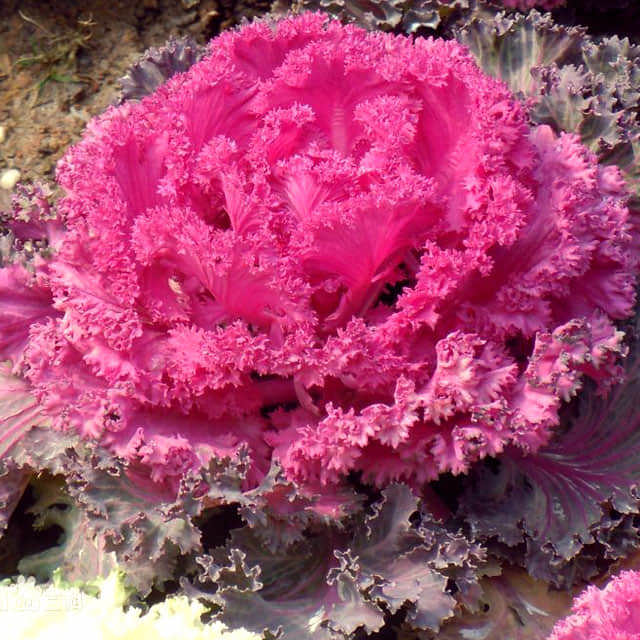
Brassica oleracea acephala f.tricolor Tiny Black Flies
eco Tiny Black Flies

Brassica oleracea acephala f.tricolor – Tiny Black Flies

Why does your Brassica oleracea acephala f.tricolor have tiny black flies? Diagnose the cause and fix it with our step-by-step guide.

pets Pet Friendly

search Possible Causes

error

Fungus Gnats

The tiny black flies are likely adults of the Sciaridae family, which thrive in the moist organic matter found in ornamental kale pots. Their larvae feed on decaying plant matter and can damage the fine root systems of the brassica.

Very Common
lightbulb
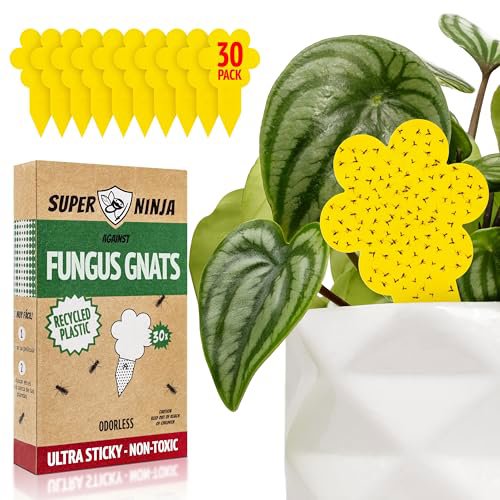
How to confirm: Set a yellow sticky trap near the soil surface to confirm if small, dark-winged insects are being captured.
build How to fix it
shopping_cart Recommended Products
1 Deploy yellow sticky traps to capture the adult flying gnats and break the reproductive cycle.
2 Reduce watering frequency and allow the top inch of soil to dry out completely to eliminate the moist environment larvae need to thrive.
3 Apply a microbial-based soil treatment or drench to target the larvae living in the organic matter.
warning

Black Pepper Scale (or similar scale insects)

While usually immobile, some scale species can be mistaken for tiny black specks or flies when they emerge. In Brassica species, these pests can cause leaf yellowing and stunted growth.

Common
lightbulb
How to confirm: Inspect the underside of the leaves and the stems for any small, dark, stationary bumps that do not move when touched.
build How to fix it
shopping_cart Recommended Products
1 Apply an organic insecticide spray to eliminate the adult flies and any emerging scale insects on the plant foliage.
2 Inspect the undersides of leaves for small, dark, immobile bumps (scale) and carefully remove them manually if found.
3 Use a yellow sticky trap to capture adult flying insects and monitor the infestation levels.
warning

Drosophila (Fruit Flies)

If there is fermenting organic matter or overripe debris in the kale pot, fruit flies may be attracted to the area. While they don't feed on the plant itself, their presence indicates an environment prone to fungal growth.

Common
lightbulb
How to confirm: Check for any rotting organic mulch or decomposing leaves at the base of the kale plant.
build How to fix it
shopping_cart Recommended Products
1 Remove any overripe debris, decaying organic matter, or fermenting soil from the surface of the pot to eliminate the primary breeding site for the flies.
2 Deploy yellow sticky traps near the plant to capture adult flies and monitor the population levels.
3 Ensure the soil is not staying excessively wet by using a moisture meter to prevent the damp, fermenting conditions that attract these pests.

Other Brassica oleracea acephala f.tricolor problems

Your plant might also be experiencing one of these issues:

local_hospital All symptoms eco All plants with tiny black flies
favorite