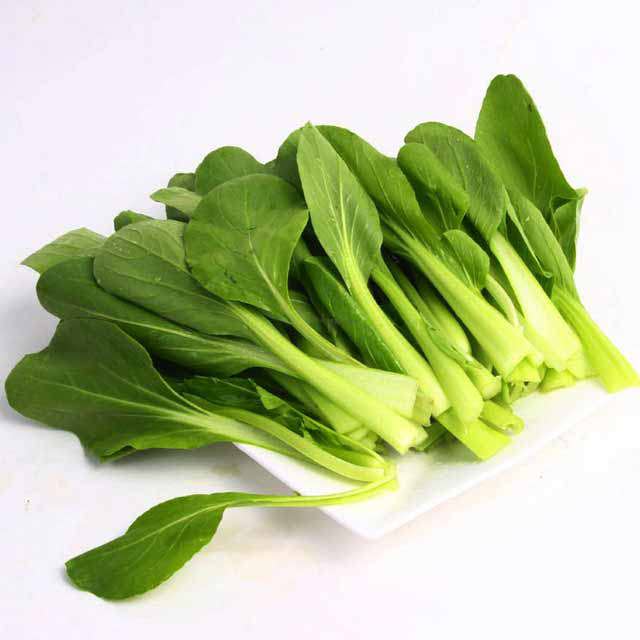
Brassica chinensis Brown Leaf Tips
eco Brown Leaf Tips

Brassica chinensis – Brown Leaf Tips

Why does your Brassica chinensis have brown leaf tips? Diagnose the cause and fix it with our step-by-step guide.

search Possible Causes

error

Salt Accumulation (Fertilizer Burn)

Excessive nitrogen or mineral salts in the growing medium can cause osmotic stress, drawing moisture out of the leaf edges and leading to necrotic brown tips. This is common in Brassicas during periods of rapid growth when fertilizer application is frequent.

Very Common
lightbulb
How to confirm: Check if you have recently applied high-nitrogen liquid fertilizer or if white crusty salt deposits are visible on the soil surface.
build How to fix it
shopping_cart Recommended Products
1 Flush the growing medium thoroughly with large amounts of fresh, distilled, or demineralized water to leach out excess mineral salts from the root zone.
2 Prune away the necrotic brown leaf tips using sterilized shears to prevent further spread of tissue damage and improve plant aesthetics.
3 Amend the soil with organic matter like worm castings to help buffer the medium and improve nutrient uptake efficiency.
error

Water Stress (Drought/Inconsistent Moisture)

Pak Choi has a shallow root system that is highly sensitive to fluctuations in soil moisture. When the plant lacks sufficient water, the most distal parts of the leaves—the tips—are the first to desiccate and turn brown.

Very Common
lightbulb
How to confirm: Stick your finger 1 inch into the soil to see if it feels bone dry despite the plant showing symptoms.
build How to fix it
shopping_cart Recommended Products
1 Check the soil moisture level immediately using a moisture meter to determine if the root zone has reached a critical dry point.
2 Establish a consistent watering schedule to prevent the soil from drying out completely between waterings, as Pak Choi requires stable moisture.
3 Apply a layer of organic mulch or organic coconut coir around the base of the plant to help retain soil moisture and reduce evaporation.
warning

Calcium Deficiency

Low calcium availability prevents cell wall stability, often resulting in tip burn or marginal necrosis. This is frequently triggered by rapid growth spurts where the plant's demand for calcium outpaces its transport capacity, often due to uneven watering.

Common
lightbulb
How to confirm: Examine if the browning is accompanied by distorted or stunted new growth at the center of the rosette.
build How to fix it
shopping_cart Recommended Products
1 Apply a calcium supplement to the soil to immediately address the deficiency and strengthen cell walls.
2 Ensure consistent watering schedules to prevent the uneven moisture levels that block calcium transport to new growth.
3 Amend your existing soil with organic worm castings to improve nutrient availability and soil structure.
warning

Fungal Leaf Spot (e.g., Alternaria)

Certain fungal pathogens can enter through leaf tissue, causing necrotic brown lesions that often start at the tips or margins. High humidity and poor airflow around the dense leaves of Pak Choi promote this condition.

Common
lightbulb
How to confirm: Look for small, dark concentric rings within the brown patches on the affected leaf tips.
build How to fix it
shopping_cart Recommended Products
1 Remove and discard all heavily infected leaves to prevent the spread of fungal spores to healthy tissue.
2 Apply an organic fungicide to protect remaining healthy leaves from further infection.
3 Improve airflow around the plants by thinning out dense foliage and ensuring they are not crowded.

Other Brassica chinensis problems

Your plant might also be experiencing one of these issues:

local_hospital All symptoms eco All plants with brown leaf tips
favorite