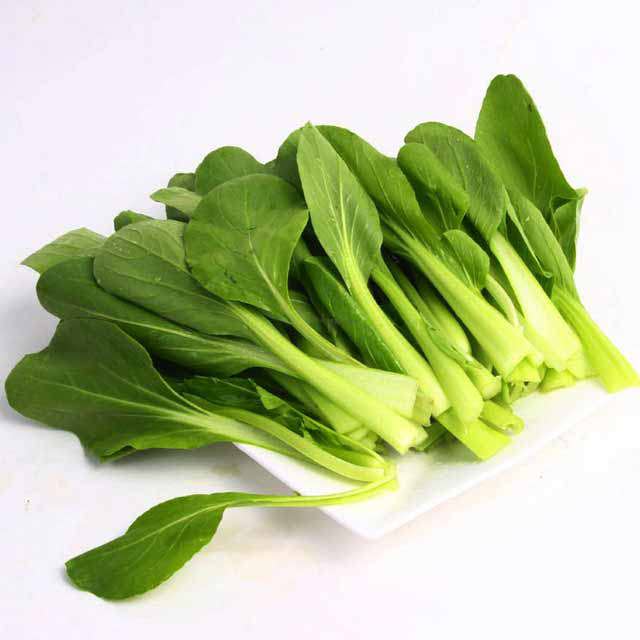
Brassica chinensis Yellow Leaves
eco Yellow Leaves

Brassica chinensis – Yellow Leaves

Why does your Brassica chinensis have yellow leaves? Diagnose the cause and fix it with our step-by-step guide.

search Possible Causes

error

Nitrogen Deficiency

Nitrogen is a mobile nutrient in Brassicas; when deficient, the plant redistributes it from older leaves to new growth, causing systemic yellowing starting with the bottom leaves.

Very Common
lightbulb
How to confirm: Observe if the yellowing pattern begins on mature lower leaves while the center remains green.
build How to fix it
shopping_cart Recommended Products
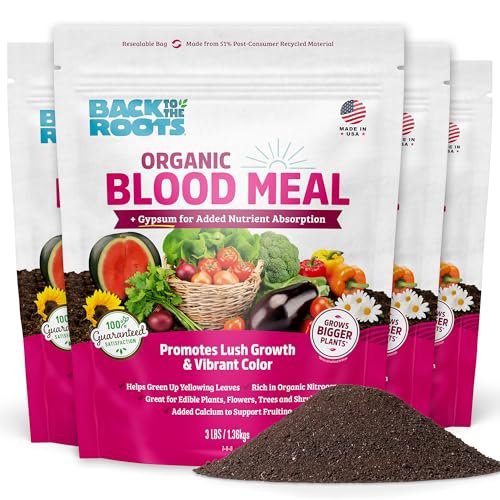
1 Apply a nitrogen-rich organic fertilizer to quickly replenish the soil nutrients and stop the yellowing of older leaves.
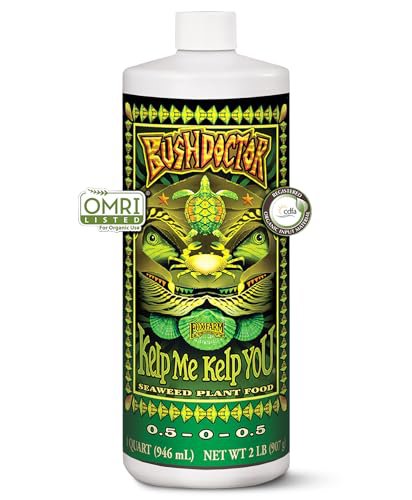
2 Supplement with a liquid seaweed fertilizer to boost overall nutrient uptake and support vigorous new growth.
3 Ensure the plant is in a well-draining medium to prevent nitrogen leaching from excess water.
error

Overwatering and Root Hypoxia

Excessive soil moisture displaces oxygen in the root zone, leading to root suffocation and the inability of Pak Choi roots to uptake nutrients, manifesting as pale or yellowing foliage.

Very Common
lightbulb
How to confirm: Check the substrate moisture level and inspect if the base of the stems feels soft or mushy.
build How to fix it
shopping_cart Recommended Products
1 Immediately reduce watering frequency and allow the top inch of soil to dry out completely before watering again to restore oxygen to the root zone.
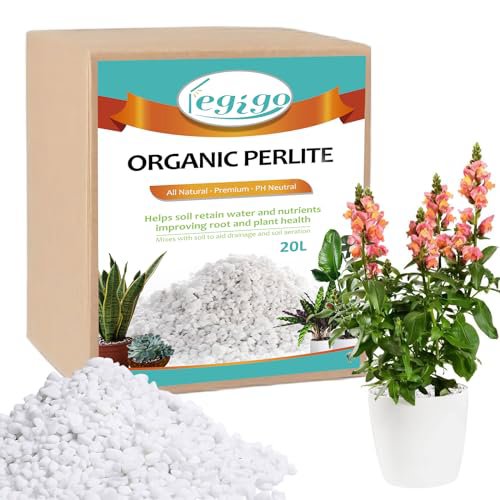
2 Check for drainage efficiency; ensure the plant is in a container with adequate drainage holes and consider adding perlite to the soil to improve aeration.
3 If the soil remains saturated, repot the plant in a fresh, well-draining medium like a mix containing horticultural perlite to prevent further root rot.
warning

Clubroot (Plasmodiophora cruciferarum)

This soil-borne pathogen causes swelling on the roots, which disrupts water and nutrient transport to the leaves, resulting in chlorosis and wilting during hot periods.

Common
lightbulb
How to confirm: Gently pull up a plant to check for abnormal, swollen, or 'club-like' growths on the root system.
build How to fix it
shopping_cart Recommended Products
1 Remove and destroy the infected plant and all surrounding soil immediately to prevent the spread of the soil-borne pathogen to healthy plants.
2 Sterilize all gardening tools, such as your trowel or pruners, with a 10% bleach solution to avoid spreading clubroot spores.
3 Amend your soil with organic matter and ensure excellent drainage to create an environment less favorable to the pathogen.
warning

Iron Chlorosis

High soil pH (alkalinity) can lock iron in the soil, preventing Pak Choi from absorbing it, which results in interveinal chlorosis where veins stay green but tissue turns yellow.

Common
lightbulb
How to confirm: Look for small, bright yellow leaves with distinct dark green veins on the newest growth.
build How to fix it
shopping_cart Recommended Products
1 Lower the soil pH by applying an acidifying amendment to make iron more bioavailable to the roots.
2 Monitor soil moisture levels closely with a moisture meter to ensure the soil remains aerated and does not become too alkaline through evaporation.
3 Apply a balanced liquid fertilizer to provide immediate micronutrient support during the chlorosis period.

Other Brassica chinensis problems

Your plant might also be experiencing one of these issues:

local_hospital All symptoms eco All plants with yellow leaves
favorite