Brassica chinensis Leggy Stems
eco Leggy Stems

Brassica chinensis – Leggy Stems

Why does your Brassica chinensis have leggy stems? Diagnose the cause and fix it with our step-by-step guide.

search Possible Causes

error

Insufficient Light Intensity

Bolting or stretching is a common physiological response in Brassica chinensis when plants lack enough photons for photosynthesis, forcing them to elongate stems rapidly to reach light sources.

Very Common
lightbulb
How to confirm: Observe if the plants are leaning toward a window or if the stem diameter is significantly thinner than healthy specimens.
build How to fix it
shopping_cart Recommended Products
1 Increase the intensity and duration of light exposure to prevent further stem elongation and bolting.
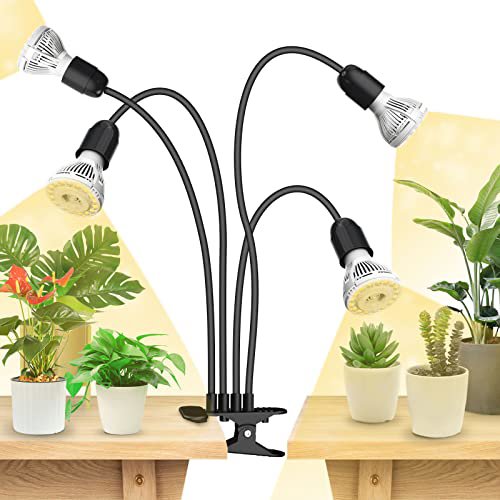
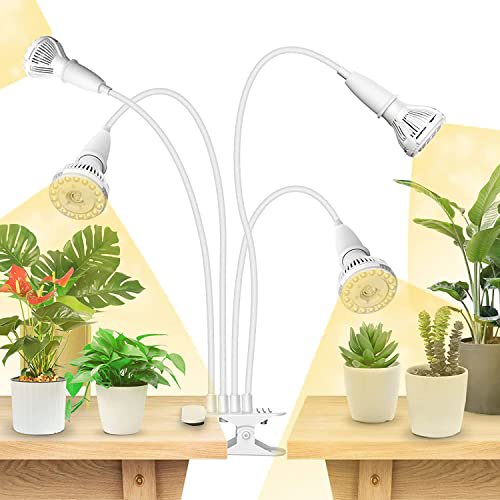
2 Move your plant to a location with more natural sunlight or use a full-spectrum LED grow light to provide the necessary photons for photosynthesis.
3 Prune any excessively weak or stretched stems to allow the plant to focus energy on developing healthy, compact foliage.
error

High Temperature and Heat Stress

Excessive heat during the vegetative stage can trigger an early growth spurt or 'bolting' response, leading to elongated, weak stems as the plant attempts to reproduce quickly.

Very Common
lightbulb
How to confirm: Check if recent nighttime temperatures have consistently stayed above 75°F (24°C).
build How to fix it
shopping_cart Recommended Products
1 Relocate the plant to a cooler area or provide shade to reduce heat exposure and prevent further bolting.
2 Increase humidity around the plant and ensure consistent moisture levels to mitigate heat stress.
3 Supplement with supplemental lighting if the leggy growth is due to light-seeking behavior, ensuring the light is at a temperature-safe distance.
warning

Nitrogen Deficiency

While nitrogen is needed for leaf growth, an imbalance or lack of available nitrogen can result in weak, spindly structural development in leafy greens like Pak Choi.

Common
lightbulb
How to confirm: Inspect the older leaves for chlorosis (yellowing) alongside the elongated stems.
build How to fix it
shopping_cart Recommended Products
1 Apply a nitrogen-rich liquid fertilizer to boost leafy growth and strengthen stem structure.
2 Supplement the soil with an organic nitrogen source like blood meal to provide long-term nutrient availability.
3 Ensure the plant is receiving adequate light to prevent further stretching and leggy growth.
warning

Overcrowding

When Bok Choy seedlings are planted too densely, they compete for resources, leading to rapid vertical growth as each plant struggles to outcompete its neighbors for light.

Common
lightbulb
How to confirm: Measure the distance between individual plants to see if they are within the recommended 6-10 inch spacing.
build How to fix it
shopping_cart Recommended Products
1 Thin out the seedlings by removing the smallest or weakest plants, leaving enough space for the remaining Bok Choy to grow without competition.
2 Increase light exposure to prevent further stretching, using a full-spectrum grow light if natural sunlight is insufficient.
3 Transplant the remaining healthy seedlings into a larger container with fresh, aerated soil to ensure they have adequate nutrients and room to expand.

Other Brassica chinensis problems

Your plant might also be experiencing one of these issues:

local_hospital All symptoms eco All plants with leggy stems
favorite