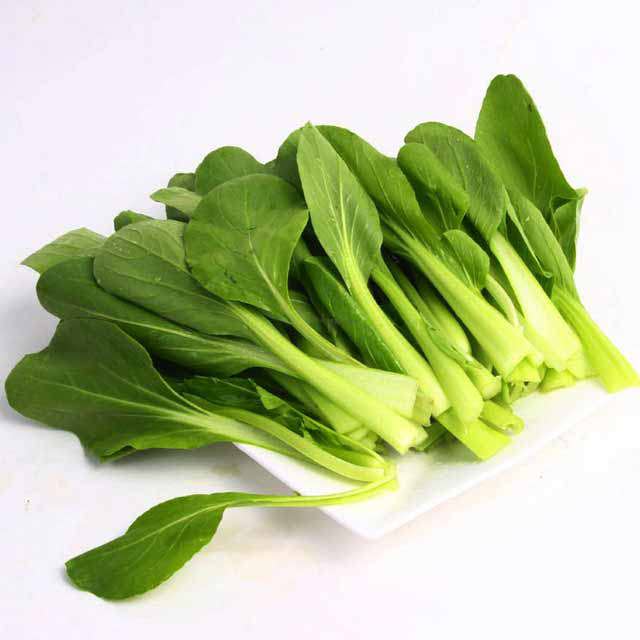
Brassica chinensis Drooping Leaves
eco Drooping Leaves

Brassica chinensis – Drooping Leaves

Why does your Brassica chinensis have drooping leaves? Diagnose the cause and fix it with our step-by-step guide.

search Possible Causes

error

Water Stress (Underwatering or Overwatering)

Pak Choi has a high water content and shallow root system, making it highly sensitive to soil moisture fluctuations. Drought causes loss of turgor pressure, while waterlogged soil suffocates roots, leading to wilting.

Very Common
lightbulb
How to confirm: Stick your finger 2cm into the soil; if it is bone dry or extremely muddy/clumped, you have a moisture issue.
build How to fix it
shopping_cart Recommended Products
1 Check the soil moisture level immediately by inserting a probe into the soil to determine if the plant is suffering from drought or waterlogging.
2 If the soil is bone dry, water the plant thoroughly until water drains from the bottom; if the soil is saturated, allow it to dry out before watering again.
3 Ensure the plant is in a container with excellent drainage, such as a Root & Vessel pot, to prevent future waterlogging and root rot.
error

Transplant Shock

Recently moved Pak Choi seedlings often struggle to establish roots in new soil, leading to temporary drooping as the plant fails to uptake water efficiently.

Very Common
lightbulb
How to confirm: Check if the drooping started within 24-48 hours of moving the plant to a new pot or garden bed.
build How to fix it
shopping_cart Recommended Products
1 Minimize further stress by keeping the plant in a stable, shaded environment and avoid direct, intense sunlight until the drooping subsides.
2 Apply a liquid microbial inoculant to the root zone to stimulate rapid root development and help the plant establish itself in the new medium.
3 Ensure the soil remains consistently moist but not waterlogged; use a moisture meter to monitor the soil depth and prevent dehydration or root rot.
warning

Root Rot (Pythium or Phytophthora)

Excessive moisture in Brassica crops promotes fungal pathogens that decay the root system, preventing the plant from supporting its heavy, fleshy leaves.

Common
lightbulb
How to confirm: Gently lift the plant to inspect if the roots are dark brown and slimy rather than white and firm.
build How to fix it
shopping_cart Recommended Products
1 Immediately inspect the root system for mushy, brown, or foul-smelling roots and prune away any decayed tissue using sterilized tools.
2 Repot the plant in a well-draining, fresh medium enriched with perlite to improve aeration and prevent future waterlogging.
3 Monitor soil moisture levels closely with a meter to ensure the substrate is allowed to dry out between waterings, preventing the excessive moisture that fuels fungal growth.
warning

Heat Stress

As a cool-season crop, Pak Choi enters a physiological shutdown during high temperatures to conserve moisture, causing the leaves to wilt mid-day.

Common
lightbulb
How to confirm: Observe if the leaves perk up again in the cooler evening or early morning hours.
build How to fix it
shopping_cart Recommended Products
1 Move the plant to a cooler, shaded area or provide temporary shade during the hottest parts of the day to reduce transpiration.
2 Monitor soil moisture levels closely to ensure the plant remains hydrated without becoming waterlogged.
3 Apply a mulch layer around the base of the plant to help regulate soil temperature and retain moisture.

Other Brassica chinensis problems

Your plant might also be experiencing one of these issues:

local_hospital All symptoms eco All plants with drooping leaves
favorite