Brassica chinensis Tiny Black Flies
eco Tiny Black Flies

Brassica chinensis – Tiny Black Flies

Why does your Brassica chinensis have tiny black flies? Diagnose the cause and fix it with our step-by-step guide.

search Possible Causes

error

Fungus Gnats (Sciarid flies)

The tiny black flies are likely fungus gnats, which thrive in the moist, organic-rich soil required by Pak Choi. While adults are a nuisance, their larvae feed on organic matter and can damage delicate developing root systems.

Very Common
lightbulb
How to confirm: Set a yellow sticky trap near the base of the plant to confirm the presence of small, dark flies.
build How to fix it
shopping_cart Recommended Products
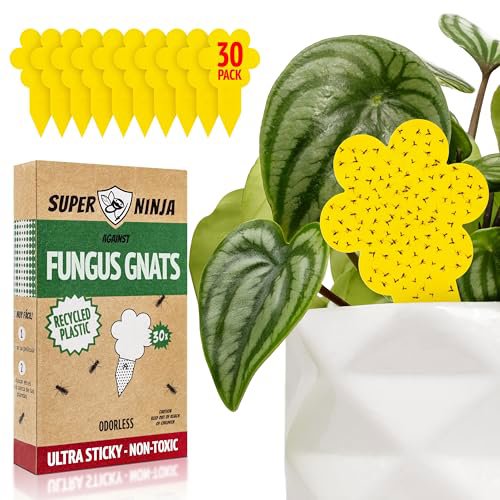
1 Deploy yellow sticky traps to capture the adult flying gnats and break the reproductive cycle.
2 Reduce watering frequency and allow the top inch of soil to dry out to make the environment less hospitable for larvae.
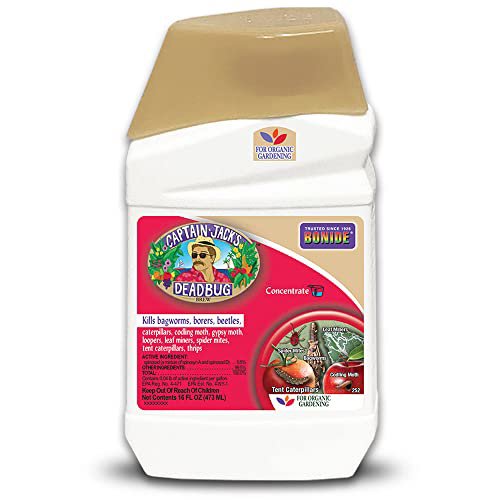
3 Apply a biological control or organic insecticide to target the larvae in the soil and protect the root system.
warning

Soil-borne Pests (Root Maggots/Sciarid Larvae)

The presence of black flies often indicates a high population of larvae in the soil. These larvae can cause secondary symptoms like wilting or yellowing in Pak Choi by consuming the root tissues.

Common
lightbulb
How to confirm: Gently lift a plant to check if the roots show signs of tunneling or dark, necrotic spots.
build How to fix it
shopping_cart Recommended Products
1 Apply an organic insecticide to target the adult flies and prevent further egg-laying in the soil.
2 Use yellow sticky traps to capture adult fungus gnats and monitor the population levels.
3 Improve soil drainage and reduce moisture by adding horticultural perlite to the potting mix to disrupt the larvae's moist habitat.
warning

Blackberry Fruit Fly / Fruit Fly infestation

If the flies are hovering around the tender leaves or petioles of the Pak Choi, they may be seeking moisture or laying eggs in decaying plant matter. This is less common than fungus gnats but can occur in humid greenhouse environments.

Common
lightbulb
How to confirm: Observe if the flies are attracted specifically to the moist surface of the leaves or the soil surface.
build How to fix it
shopping_cart Recommended Products
1 Identify and remove any decaying plant matter or overly moist organic debris from the soil surface to eliminate breeding sites.
2 Deploy yellow sticky traps near the base of the plant to capture adult flies and monitor the population.
3 Apply an organic insecticide spray to the tender leaves and petioles to target any remaining adult flies.

Other Brassica chinensis problems

Your plant might also be experiencing one of these issues:

local_hospital All symptoms eco All plants with tiny black flies
favorite